











Events Date: 9

Germany Plans Major Overhaul of Renewable Subsidies By 2025

Note* - All images used are for editorial and illustrative purposes only and may not originate from the original news provider or associated company.

Subscribe

- Never miss a story with notifications

- Gain full access to our premium content

- Browse free from any location or device.

Media Packs

Expand Your Reach With Our Customized Solutions Empowering Your Campaigns To Maximize Your Reach & Drive Real Results!

โ€“ Access the Media Pack Now

โ€“ Book a Conference Call

โ€“ Leave Message for Us to Get Back

Related stories

Hydrogen Infrastructure Driving Future Energy Growth

As the world shifts toward a low-carbon economy, hydrogen infrastructure for energy growth is emerging as a critical engine for industrial transformation. Through massive investments in clean fuel production, storage, and transport, hydrogen is poised to unlock new energy markets and provide a sustainable solution for the hardest-to-abate sectors.

Energy Storage Systems Supporting Utility Expansion

The rapid growth of global energy demand is driving a massive scale-up of utility infrastructure, where energy storage systems serve as the critical balancer. By providing essential services like grid stability and seamless renewable integration, these systems are enabling a flexible and reliable expansion of modern power networks.

Smart Energy Infrastructure Improving Grid Efficiency

The digital transformation of the power sector is being led by smart energy infrastructure efficiency, where data-driven insights and automation are redefining grid performance. By integrating digital monitoring and predictive operations, utilities are creating a more responsive, reliable, and efficient energy network for the modern age.
- Advertisement -

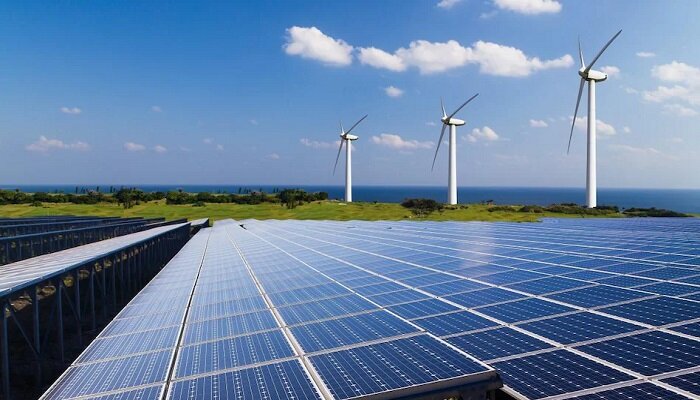
Germany is planning to reduce and revamp the subsidies it pays to renewable energy producers due to increasing costs for the government. This move might contribute to uncertainty regarding future investments. Beginning January 2025, payments for medium and large projects will be terminated if electricity prices drop below zero, according to a draft budget law approved by the cabinet on Wednesday. Negative prices occur when power supply exceeds demand, such as when weather conditions cause peak wind and solar generation. The government currently guarantees minimum prices for renewable energy producers and has had to cover the difference as wholesale power prices declined during the energy crisis. It is estimated that the state will pay wind and solar operators up to โ‚ฌ20 billion by the end of this year, double the amount forecasted by grid operators in October. Renewable energy plays a crucial role in Germany’s climate objectives, and the country aims for them to represent about 80% of power production by the end of the decade, up from approximately 50% at present. Decreasing subsidies could potentially lead to uncertainty regarding the operators’ future investments in projects. Previously, the government had planned to gradually phase out subsidies by 2027 when prices turn negative.

Additionally, the government pledged to reform future payments generally by shifting towards subsidies based on investment costs rather than a guaranteed output price. This is part of a broader effort to restructure the power market, construct new gas-fired plants, and establish a capacity mechanism by 2028. According to the draft law, renewable energy producers will cease to receive subsidies once the power market is sufficiently flexible and sufficient storage capacities are available. The government also proposed simplifying the process for renewable operators to market their own output. GP Joule, a renewables developer, expects the government to ensure reliability in these adjustments. Fabian Faller, the firm’s head of public affairs, mentioned that they would need to recalculate their costs if the awards are not dependable. Kerstin Andreae, chair of Germany’s energy group BDEW, emphasized the importance of implementing any changes to the support mechanism with adequate lead time. She went on to indicate that uncertain framework conditions could as well lead to a slump in the expansion when it comes to renewable energy systems.

Power Info Today brings together the global energy industry โ€” from generation and transmission operators to utility executives and energy transition leaders โ€” through trusted editorial, market intelligence, and digital engagement.

Our 2026 Media Pack offers integrated solutions to reach your audience:

  • Magazine & Digital Editions Showcase your brand within premium energy industry coverage read by executives and decision - makers worldwide.
  • Industry Insights & Reports Align with data - driven analysis, trend reports, and regional roundups across the global power and energy value chain.
  • Brand Authority & Credibility Position your company as a thought leader through expert commentary, interviews, and special features.

Latest stories

Related stories

Hydrogen Infrastructure Driving Future Energy Growth

As the world shifts toward a low-carbon economy, hydrogen infrastructure for energy growth is emerging as a critical engine for industrial transformation. Through massive investments in clean fuel production, storage, and transport, hydrogen is poised to unlock new energy markets and provide a sustainable solution for the hardest-to-abate sectors.

Energy Storage Systems Supporting Utility Expansion

The rapid growth of global energy demand is driving a massive scale-up of utility infrastructure, where energy storage systems serve as the critical balancer. By providing essential services like grid stability and seamless renewable integration, these systems are enabling a flexible and reliable expansion of modern power networks.

Smart Energy Infrastructure Improving Grid Efficiency

The digital transformation of the power sector is being led by smart energy infrastructure efficiency, where data-driven insights and automation are redefining grid performance. By integrating digital monitoring and predictive operations, utilities are creating a more responsive, reliable, and efficient energy network for the modern age.

Grid Modernization Driving Energy Infrastructure

Modern energy systems are undergoing a radical transformation as grid modernization becomes the cornerstone of infrastructure resilience. By integrating advanced digital monitoring, transmission upgrades, and smart grid technologies, utility providers are building a foundation for a reliable and decarbonized future.

Subscribe

- Never miss a story with notifications

- Gain full access to our premium content

- Browse free from any location or device.

Media Packs

Expand Your Reach With Our Customized Solutions Empowering Your Campaigns To Maximize Your Reach & Drive Real Results!

โ€“ Access the Media Pack Now

โ€“ Book a Conference Call

โ€“ Leave Message for Us to Get Back

Translate ยป