






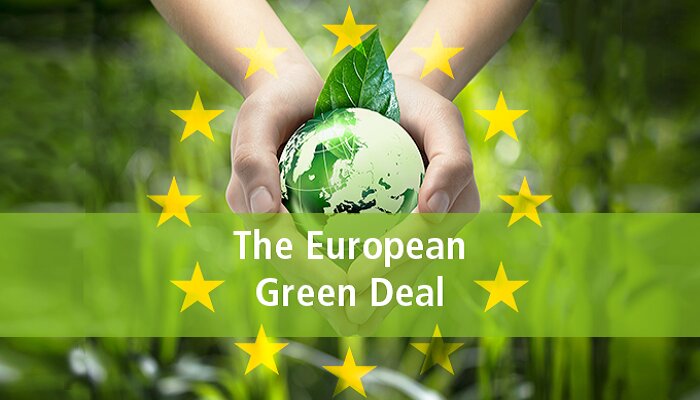

Key industry groups are pushing for a new Industrial Deal to work alongside the European Green Deal. Their goal is to secure Europe’s energy future, improve industrial competitiveness, and reach climate neutrality. This push comes amid the ambitious targets of the European Green Deal and renewed energy security concerns following Russia’s invasion of Ukraine.
Transition Framework
The European Green Deal paves the way for Europe’s transition to a climate-neutral economy, promoting a shift from fossil fuels to a sustainable and circular model. Energy-intensive industries are crucial in this transition, providing essential materials and products and driving innovations in electrification, efficiency, and circularity.
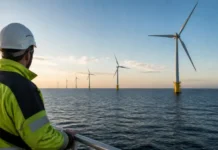
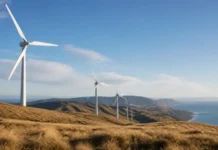
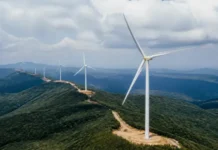
Recent geopolitical events have highlighted the urgent need for the EU’s energy security. The EU’s energy policy must ensure clean, secure, and affordable energy for citizens and businesses. Increasing the use of renewable energy sources, especially wind power, is vital. Wind energy, providing 20% of Europe’s electricity, is a key resource for industrial growth.
The Need for a Complementary Industrial Deal
Industry leaders stress the importance of pairing the Green Deal with a robust Industrial Deal. This approach aims to provide regulatory stability, foster investments in decarbonization, and boost industrial competitiveness. Current policies, however, do not fully support the necessary frameworks to achieve these goals.
Giles Dickson, CEO of WindEurope, expressed that Europe’s wind industry is a cornerstone of its industrial base, delivering clean, competitive, and reliable energy. He believes that strengthening Europe’s industries with an Industrial Deal that complements the Green Deal will help decarbonize through electrification.
Marco Mensink, Director General of Cefic, emphasized the need for innovative partnerships across value chains to make the Green Deal viable and create a strong business case for Europe. He noted that the European wind sector is crucial for reducing emissions in energy-intensive industries and highlighted that the Antwerp Declaration calls for a plan for direct electrification and the necessary infrastructure and wind energy capacity.
Sector-Specific Contributions
Leaders from various sectors underscored their industries’ essential roles in supporting wind energy and the broader Green Deal goals:
Koen Coppenholle, CEO of CEMBUREAU (European Cement Association), stated that cement is critical for wind turbine foundations and their recycling, adding that renewable energy growth is key to the cement sector’s net-zero ambition. He looks forward to collaborating with the wind energy sector to support a strong EU industrial policy and decarbonization investments.
Guy Thiran, Director General of Eurometaux, mentioned that their sector, Europe’s most electrified, relies on a thriving European wind sector. He believes this partnership shows European value chains are united in making the Green Deal a success, with a strong industrial base at its core. He also noted that European metals producers depend on low-carbon electricity at competitive prices.
Forward Thinking
In February 2022, Russia’s invasion of Ukraine disrupted Europe’s energy imports, highlighting the need to diversify energy sources and enhance energy security. In response, the European Commission launched the REPowerEU plan in May 2022, aiming to save energy, accelerate the clean energy transition, and diversify energy imports, reducing dependence on Russian gas from 45% in 2021 to 15% by 2023.
The EU aims to be the world’s first climate-neutral continent by 2050, replacing imported fossil fuels with domestically produced renewable energy and improving energy efficiency. Although renewables are growing in the energy mix, natural gas still makes up about a quarter of the EU’s energy consumption.