






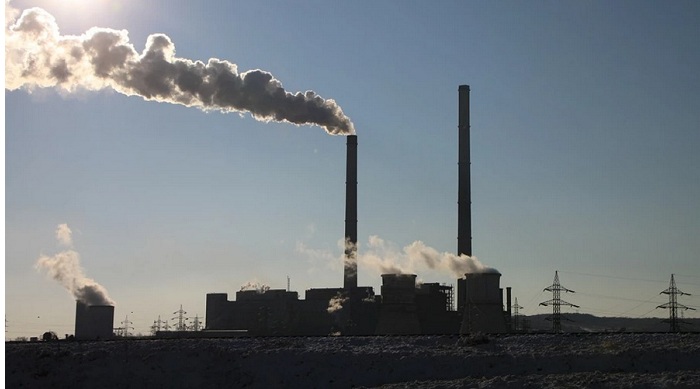

Northern Ireland is consulting on plans to address climate change by implementing a net zero carbon energy policy by 2050, through an increase in renewables, increased energy efficiency and the creation of a green economy.
The Northern Ireland government published a consultation paper (158 page / 5.6MB PDF) on 31 March on an energy strategy for the region, with five principles at its heart. It aims to put consumers at the centre of the strategy, emphasising the importance of affordability and fairness for future policy decisions.
The government said that it wants to grow a green economy and build a low carbon skills base through innovation and a focus on competitive strengths.
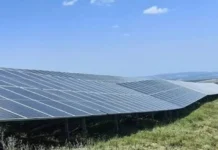
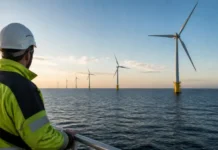
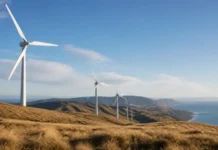
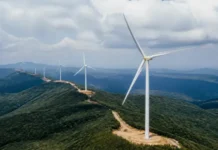
It said it would “do more with less”, by setting targets, standards and regulations that encourage improvements in energy efficiency. Fossil fuels will be replaced by renewables, with a particular focus on wind and hydrogen.
The policy will also create a digitised energy system integrating renewable energy across heat, power and transport sectors. The government said this would increase the security of energy supply.
Energy law expert Richard Murphy of Pinsent Masons, the law firm behind Out-Law, said Northern Ireland needed an ambitious, forward-looking energy policy pathway as much had changed since the last policy framework in 2010.
“We need to go much further and faster with decarbonisation in Northern Ireland and move at the same pace of ambition shown recently by governments in both London and Dublin with energy transition,” Murphy said.
Last year the UK government published an Energy White Paper setting out plans for the UK energy system’s transition to a net-zero economy and a shift away from fossil fuels. Meanwhile, the Irish government published legislation to accelerate the energy transition with the aim of cutting carbon emissions by 7% each year.
“While many might see the task of creating a framework for delivering a zero-carbon economy in Northern Ireland by 2050 daunting, it is a fantastic opportunity to grow the Northern Irish economy – not just further decarbonisation of the energy sector. Northern Ireland has a fantastic talent pool, track record for innovation and some fantastic technology companies who can all help us realise this ambition,” Murphy said.
The Northern Irish government said it was focusing on policies that it believed offered the best short-term decarbonisation opportunities, while also testing new and emerging technologies that had longer term potential.
Policies included introducing energy savings targets and minimum energy standards for buildings; a 70% renewable energy target by 2030 with the flexibility to increase this if it proved achievable and cost-effective. Northern Ireland will also carry out a cost-benefit analysis of smart meters to gather and utilise energy data.
The government said it would adopt parallel on and off-gas grid approaches to decarbonise heating, keeping a range of potential solutions open. This could include using existing gas infrastructure with low carbon supplies such as decarbonised gas, biogas or hydrogen.
The consultation paper said that delivering the strategy was just as important as producing it, and it outlined six priorities to progress in parallel with policy development: ensuring security of supply; making cost-effective decisions; developing a comprehensive energy intelligence work programme; making necessary legislative changes; reviewing energy regulation to protect consumer interests while delivering on the strategy’s aims; and delivering a coordinated and joined-up approach to energy decarbonisation across all levels of government.
The strategy is set to be in place by the end of 2021. The consultation closes on 30 June.