








Close
MCE 2026
World Hydrogen & Carbon Americas

PetroVietnam to invest in renewables amid shrinking crude oil production

Note* - All images used are for editorial and illustrative purposes only and may not originate from the original news provider or associated company.

Subscribe

- Never miss a story with notifications

- Gain full access to our premium content

- Browse free from any location or device.

Media Packs

Expand Your Reach With Our Customized Solutions Empowering Your Campaigns To Maximize Your Reach & Drive Real Results!

– Access the Media Pack Now

– Book a Conference Call

Leave Message for Us to Get Back

Related stories

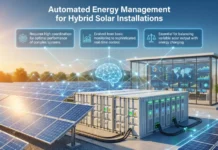
Hybrid Power Systems Combining Renewables Hydrogen and Dispatchable Generation

In-depth analysis of hybrid power system architecture integrating renewables, hydrogen storage and dispatchable generation to manage intermittency, enhance grid stability and achieve long-term decarbonisation targets.

Carbon Utilisation Pathways Creating New Value for Power Producers

Exploration of how captured carbon emissions are transformed into commercially viable products, from synthetic fuels to industrial feedstocks, improving project economics for power producers through carbon utilisation strategies.

Integrating Renewable Energy into Large-Scale Hydrogen Production

Examination of how solar, wind and hydro resources are integrated into large-scale hydrogen production, with focus on intermittency, optimisation and grid vs off-grid models.
- Advertisement -

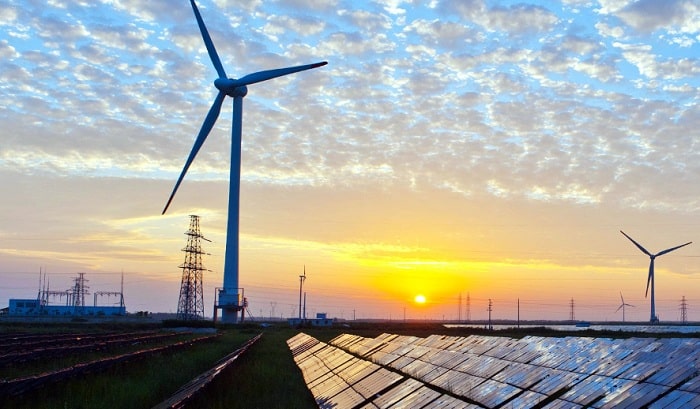
Vietnam’s state oil firm PetroVietnam is seeking to venture into renewable energy sources like wind farms and floating solar panels, as domestic crude oil production has peaked at most of its offshore oil fields.

The company, formally known as Vietnam Oil and Gas Group, is targeting 100 megawatts (MW) of renewable capacity by 2025 and 900 MW by 2035, it told Reuters on Wednesday.

Vietnam, one of Asia’s fastest-growing economies, will have to battle severe power shortages from 2021 as demand outstrips construction of new power plants.

It has been struggling to maintain its crude oil output as reserves run low, while tension in the South China Sea has affected its offshore exploration and exploitation activities.

Vietnam’s crude oil output in the first half of this year fell 13.9 per cent from a year earlier to 4.96 million tonnes, according to the government’s General Statistics Office.

“Fossil fuels are shrinking and, therefore, developing renewable energy is inevitable,” PetroVietnam said in an email in response to Reuters questions.

PetroVietnam said it would initially build floating solar panels at some of its hydropower dams and install rooftop solar panels at its existing coal-fired power plants.

It will later seek investment from foreign and domestic investors to develop solar and wind farms and waste-to-power plants throughout the country, it added.

According to the Ministry of Industry, the total installed capacity of Vietnam’s wind and solar power plants has risen strongly over the recent years to 5,500 MW.

Vietnam said it will more than double its power generation capacity over the next decade to 125-130 gigawatts and raise the proportion of renewable energy to 20 per cent by 2030, from the current of around 10 per cent.

Latest stories

Related stories

Hybrid Power Systems Combining Renewables Hydrogen and Dispatchable Generation

In-depth analysis of hybrid power system architecture integrating renewables, hydrogen storage and dispatchable generation to manage intermittency, enhance grid stability and achieve long-term decarbonisation targets.

Carbon Utilisation Pathways Creating New Value for Power Producers

Exploration of how captured carbon emissions are transformed into commercially viable products, from synthetic fuels to industrial feedstocks, improving project economics for power producers through carbon utilisation strategies.

Integrating Renewable Energy into Large-Scale Hydrogen Production

Examination of how solar, wind and hydro resources are integrated into large-scale hydrogen production, with focus on intermittency, optimisation and grid vs off-grid models.

Electrolysis Technologies Advancing the Future of Clean Power

Comparative analysis of alkaline, PEM and solid oxide electrolysers, their efficiency, cost trajectories and implications for renewable-driven hydrogen and clean power.

Subscribe

- Never miss a story with notifications

- Gain full access to our premium content

- Browse free from any location or device.

Media Packs

Expand Your Reach With Our Customized Solutions Empowering Your Campaigns To Maximize Your Reach & Drive Real Results!

– Access the Media Pack Now

– Book a Conference Call

Leave Message for Us to Get Back

Translate »