












Events Date: 9

First Subsea installs cable connectors for Phase 2 of floating wind farm in Japan

Note* - All images used are for editorial and illustrative purposes only and may not originate from the original news provider or associated company.

Subscribe

- Never miss a story with notifications

- Gain full access to our premium content

- Browse free from any location or device.

Media Packs

Expand Your Reach With Our Customized Solutions Empowering Your Campaigns To Maximize Your Reach & Drive Real Results!

โ€“ Access the Media Pack Now

โ€“ Book a Conference Call

โ€“ Leave Message for Us to Get Back

Related stories

Oman Finalizes Power Purchase Agreement for Major 2.7 GW Hybrid Energy Initiative

Omanโ€™s Nama Power and Water Procurement Company (Nama PWP)...

Digital Control Systems Advancing Power Electronics

The integration of digital control architectures into power electronics enables sophisticated monitoring and adaptive optimization, drastically improving the performance of renewable energy systems and electric vehicles.

Advanced Power Modules Improving Energy System Efficiency

Modern energy systems rely on high-performance power modules to manage electricity distribution effectively, offering enhanced power density and superior thermal management for industrial, renewable, and automotive applications.
- Advertisement -

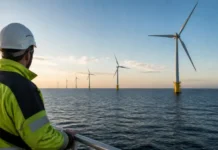
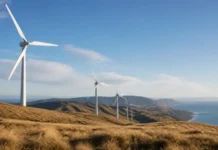
First Subsea has concluded delivery of cable connectors at the Fukushima floating offshore wind farm demonstration project in Japan for its Phase 2 development.

Two connectors have been installed in the second phase to connect 22kV cables to the floating 66kV power substation of the plant.

The connections have been set up to prepare for the commencement of a 7MW wind turbine in Phase 3. This will be followed by another floating wind turbine in Phase 4 of the project.

First Subsea managing director John Shaw said: “In Phase 2 we’ve once again demonstrated the ease of installation of the cable connectors offshore.”

“The connections have been set up to prepare for the commencement of a 7MW wind turbine in Phase 3.”

The Ministry of Economy, Trade and Industry in Japan has sponsored the floating pilot wind project.

The project is being developed by a Marubeni-led consortium. It is expected to be the largest wind farm located offshore from the coast of the Fukushima Prefecture.

As well as Marubeni, other partners in the consortium include the University of Tokyo, Mitsubishi, Mitsubishi Heavy Industries, Japan Marine United, and Mitsui Engineering & Shipbuilding. Nippon Steel & Sumitomo Metal Corporation, Hitachi, Furukawa Electric, Shimizu, and Mizuho Information & Research are also partners.

The first phase of the project involved installation of two First Subsea cable connectors, which linked 22kV cable to a 2MW wind turbine and the substation.
A third cable connector was also set up at the time for linking a 66kV cable to the floating substation.

Power Info Today brings together the global energy industry โ€” from generation and transmission operators to utility executives and energy transition leaders โ€” through trusted editorial, market intelligence, and digital engagement.

Our 2026 Media Pack offers integrated solutions to reach your audience:

  • Magazine & Digital Editions Showcase your brand within premium energy industry coverage read by executives and decision - makers worldwide.
  • Industry Insights & Reports Align with data - driven analysis, trend reports, and regional roundups across the global power and energy value chain.
  • Brand Authority & Credibility Position your company as a thought leader through expert commentary, interviews, and special features.

Latest stories

Related stories

Oman Finalizes Power Purchase Agreement for Major 2.7 GW Hybrid Energy Initiative

Omanโ€™s Nama Power and Water Procurement Company (Nama PWP)...

Digital Control Systems Advancing Power Electronics

The integration of digital control architectures into power electronics enables sophisticated monitoring and adaptive optimization, drastically improving the performance of renewable energy systems and electric vehicles.

Advanced Power Modules Improving Energy System Efficiency

Modern energy systems rely on high-performance power modules to manage electricity distribution effectively, offering enhanced power density and superior thermal management for industrial, renewable, and automotive applications.

Smart Grid Integration Improving Energy Efficiency

Smart grid technologies revolutionize energy distribution by incorporating advanced power electronics that facilitate the seamless integration of renewable sources and large-scale energy storage solutions.

Subscribe

- Never miss a story with notifications

- Gain full access to our premium content

- Browse free from any location or device.

Media Packs

Expand Your Reach With Our Customized Solutions Empowering Your Campaigns To Maximize Your Reach & Drive Real Results!

โ€“ Access the Media Pack Now

โ€“ Book a Conference Call

โ€“ Leave Message for Us to Get Back

Translate ยป