
























Where lighting, energy efficiency and intelligent building technology converge
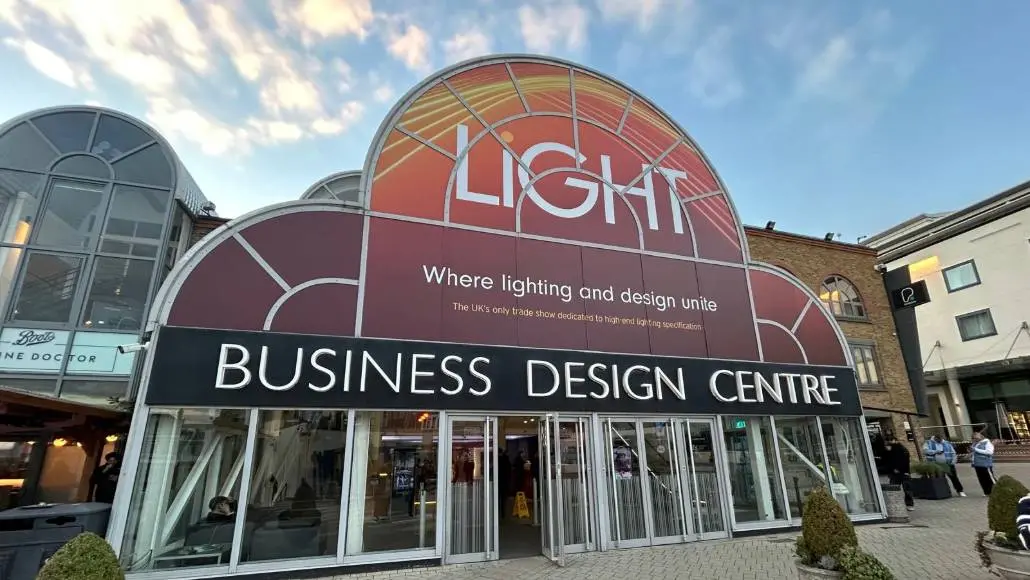
18–19 November 2026 | Business Design Centre, London
The future of the built environment is not simply about building more. It is about building smarter, operating more efficiently and creating spaces that are more sustainable, connected and responsive.
At the heart of this transformation is a technology that has traditionally been treated as a basic building requirement: lighting.
Today, lighting is evolving into an intelligent component of the wider built environment. Connected systems, sensors, controls, automation and data-driven technologies are changing how buildings consume energy, respond to occupants and deliver operational performance.
This transformation takes centre stage at LiGHT 26, taking place on 18–19 November 2026 at the Business Design Centre in London.
More than a lighting exhibition, LiGHT 26 brings together lighting, design, technology, energy efficiency and the built environment, creating a platform for professionals exploring the next generation of smarter spaces.
From Lighting to Intelligent Infrastructure
Imagine a commercial building that responds intelligently to the conditions around it.
Lighting adjusts as daylight changes.
Sensors respond to occupancy.
Controls reduce unnecessary energy consumption.
Connected systems communicate with wider building-management technologies.
In this environment, lighting is no longer simply switched on and off. It becomes responsive, connected and increasingly intelligent.
For facility managers, engineers, energy professionals, building owners and infrastructure decision-makers, this creates an opportunity to improve operational performance while maintaining comfort, safety and the experience of occupants.
The question is changing from:
“How should we light this building?”
to:
“How can lighting help this building perform better?”
Every Watt Counts
Energy efficiency has moved beyond an operational consideration to become a strategic priority for organisations across the built environment.
Offices, warehouses, retail spaces, manufacturing facilities, transport infrastructure and commercial properties are under growing pressure to reduce energy consumption while meeting sustainability and performance targets.
Technologies including occupancy sensing, daylight harvesting, dimming and connected lighting controls can help reduce unnecessary consumption while giving building operators greater control and visibility.
For organisations managing large property portfolios or industrial and infrastructure assets, even relatively small efficiency improvements can become significant when deployed across hundreds or thousands of spaces.
With energy costs, carbon-reduction commitments and operational efficiency increasingly influencing procurement and investment decisions, every watt matters.
Where Engineering, Design and Technology Meet
The most effective infrastructure solutions rarely operate in isolation.
Architects consider how people experience space.
Engineers focus on functionality and performance.
Energy professionals examine efficiency and consumption.
Facility managers focus on operational performance.
Developers and asset owners consider long-term value.
Technology providers create the systems connecting these elements.
LiGHT 26 brings these perspectives together through its Architectural, Decorative and Technical exhibition zones.
The Technical Zone focuses on areas including commercial and urban lighting, lighting controls, OEM components and emergency lighting, highlighting technologies supporting an increasingly connected built environment.
The direction of travel is clear: tomorrow’s buildings will depend less on isolated technologies and more on integrated systems that communicate, interact and work together.
Sustainability Beyond Energy Consumption
The sustainability conversation around lighting is becoming increasingly sophisticated.
Reducing electricity consumption remains essential, but organisations are also considering the full lifecycle of products and systems.
That means asking broader questions around:
- Product longevity
- Materials and manufacturing
- Embodied carbon
- Repairability
- Circularity
- Reuse and end-of-life considerations
- Whole-life performance
Within the lighting sector, frameworks such as CIBSE TM65 for embodied carbon and TM66 for circularity reflect the growing importance of lifecycle thinking in specification and procurement.
This represents a broader evolution in the definition of sustainable infrastructure.
It is no longer simply about consuming less energy.
It is about creating infrastructure that lasts longer, performs efficiently, uses resources responsibly and minimizes waste throughout its lifecycle.
The Human Side of Smart Infrastructure
Technology and efficiency are essential, but buildings ultimately exist to serve people.
A workplace should support comfort and productivity.
A transport environment should promote safety and intuitive navigation.
A public space should feel accessible and welcoming.
A retail or hospitality environment should create the right experience.
Lighting influences all of these environments.
Its role extends beyond energy consumption and technical specifications to the way people see, navigate and experience the spaces around them.
This human-centred perspective is reflected in the LiGHT programme, which explores themes including sustainability, circularity, wellness, health, business and the future of design.
The future of intelligent infrastructure, therefore, is not only about making buildings smarter.
It is about making them better places for people.
Why LiGHT 26 Matters to the B2B Market
Since its launch, LiGHT has welcomed more than 20,000 visitors, alongside more than 200 brands, 178 speakers and 95 talks.
Its international exhibitor community reflects the increasingly global nature of the lighting and building-technology market, with participating companies from Europe, North America and Asia.
Following its acquisition by Messe Frankfurt, LiGHT is entering a new phase, creating opportunities to connect its audience and exhibitors with a broader international lighting and building-technology ecosystem.
For professionals working across architecture, engineering, facilities, energy management, infrastructure, property development and technology, LiGHT 26 arrives at an important moment.
Buildings are becoming smarter.
Energy efficiency is becoming a strategic priority.
Sustainability is influencing procurement and investment.
And connected technologies are redefining what modern buildings can achieve.
Lighting and the Wider Energy Transition
The energy transition is often associated with large-scale technologies:
Generation. Storage. Transmission. Hydrogen. Grid modernisation.
But the transition also depends on how efficiently energy is ultimately used.
Every building that reduces unnecessary consumption contributes to the wider efficiency challenge.
Every intelligent control system that responds to real-time conditions creates opportunities for better energy management.
Every connected building system that improves operational performance can contribute to a more efficient built environment.
Lighting alone will not solve the energy challenge.
But intelligent lighting can become an important component of a much larger transformation – one in which buildings are more connected, more efficient, more sustainable and more responsive.
That is the opportunity at the heart of LiGHT 26.
What Comes Next for Smarter Lighting?
The next generation of lighting is moving beyond illumination.
It is becoming connected to building controls, occupancy data, energy-management systems, sustainability strategies and the wider digital infrastructure of buildings.
This convergence creates new opportunities for building owners, developers, facility managers, engineers, architects and technology providers.
For the B2B market, the conversation is therefore expanding from the design of individual lighting systems to a much bigger question:
How can lighting contribute to the performance of the entire built environment?
LiGHT 26 provides a platform for exploring that question through technology, design, education and industry collaboration.
Discover the Future of Smarter Light
As buildings evolve, lighting is evolving with them.
From connected controls and intelligent sensors to sustainable materials, lifecycle thinking and human-centred design, the future of lighting is increasingly intertwined with the future of infrastructure.
LiGHT 26 offers an opportunity to explore this convergence first-hand.
Join industry professionals, designers, engineers, manufacturers, technology providers and decision-makers at the Business Design Centre in London on 18–19 November 2026 to discover the technologies, ideas and connections shaping the next generation of intelligent, efficient and sustainable spaces.
LiGHT 26
18-19 November 2026
Business Design Centre, London
Discover the technologies, ideas and connections shaping the future of lighting and smarter infrastructure.