






























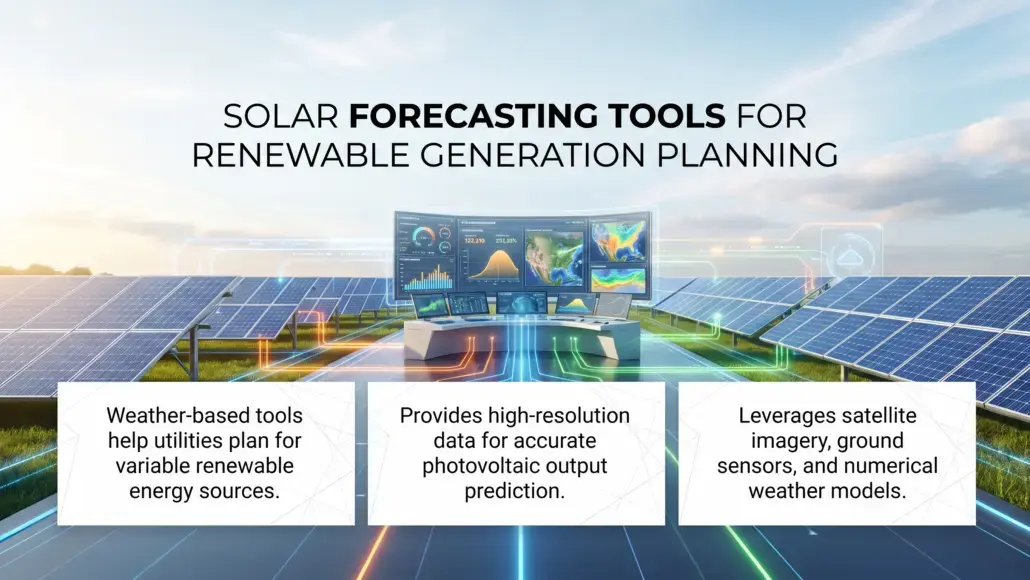

The integration of variable renewable energy sources into the global power grid has necessitated a fundamental shift in how utilities and grid operators plan for generation and demand. Among the most critical advancements in this field is the development of weather-based solar forecasting tools, which provide the high-resolution data needed to predict photovoltaic output with increasing accuracy. These systems leverage a combination of satellite imagery, ground-based sensors, and numerical weather prediction models to anticipate changes in solar irradiance caused by cloud cover, atmospheric aerosols, and seasonal variations. By providing a clear picture of future generation potential, these tools enable balancing authorities to optimize the dispatch of conventional assets, manage energy storage reserves, and reduce the overall cost of maintaining grid stability. The transition from reactive to proactive grid management is largely dependent on the reliability of these predictive models, which are becoming more sophisticated as the volume of available data continues to grow.
Effective generation planning in a high-renewables environment requires a granular understanding of both short-term variability and long-term trends. For grid operators, the ability to forecast solar output in the day-ahead and hour-ahead timeframes is essential for minimizing the use of expensive spinning reserves and avoiding the unnecessary curtailment of renewable power. These solar forecasting tools utilize advanced algorithms to process petabytes of meteorological data, providing actionable insights that can be integrated directly into utility SCADA systems and energy management platforms. As the penetration of solar energy continues to increase, the economic and operational value of these forecasting services will only grow, positioning them as a foundational component of the modern energy landscape. The implementation of these technologies also supports the development of more resilient infrastructure, as planners can better anticipate the impact of extreme weather events on the reliability of the power supply.
Integration of Multi-Scale Meteorological Data for Precision
The precision of modern solar forecasting tools is derived from their ability to synthesize data from multiple sources across different spatial and temporal scales. At the widest level, numerical weather prediction models provide global and regional atmospheric simulations, offering a baseline for day-ahead and week-ahead planning. These models are then refined using high-resolution satellite data, which allows for the tracking of individual cloud formations and their movement across the terrain. By applying machine learning techniques to these satellite feeds, forecasting platforms can predict the timing of shading events at specific solar facilities with remarkable accuracy. This multi-layered approach ensures that the forecast is grounded in both physical principles and real-time observations, providing a robust foundation for decision-making.
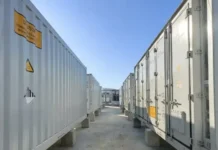
In addition to remote sensing, the deployment of ground-based sky imagers and pyranometers at the plant site provides the ultra-short-term data needed for ramp-rate control and frequency regulation. These sensors capture the immediate changes in local irradiance that satellites might miss, allowing the forecasting tools to provide minute-by-minute updates to the plant controller. This level of granularity is particularly important for hybrid facilities that combine solar with storage, as it allows the system to determine exactly when to charge or discharge the batteries to maintain a stable output. The fusion of these diverse data streams into a single, cohesive forecast is a significant technical challenge that requires advanced computational power and sophisticated data processing techniques. As the density of ground-based sensor networks increases, the accuracy of these localized forecasts will continue to improve, further reducing the uncertainty associated with solar generation.
Artificial Intelligence and Machine Learning in Predictive Modeling
The application of artificial intelligence and machine learning has revolutionized the field of solar forecasting, enabling the creation of models that can learn and adapt to changing conditions. Traditional statistical methods often struggle to account for the non-linear relationship between atmospheric variables and photovoltaic output. In contrast, deep learning architectures, such as recurrent neural networks and long short-term memory models, are exceptionally good at identifying complex patterns in temporal data. By training these models on years of historical generation and weather data, developers can create solar forecasting tools that outperform traditional methods in almost every metric. These AI-driven models can account for subtle factors such as the impact of temperature on module efficiency or the gradual degradation of solar cells over time, providing a more accurate reflection of actual plant performance.
Furthermore, the integration of these models into broader AI infrastructure allows for the coordination of forecasting across entire regions or portfolios. This systemic approach is essential for managing the aggregate impact of thousands of decentralized solar installations on the high-voltage transmission network. By predicting the combined output of all solar assets in a given area, grid operators can better manage localized congestion and ensure that the overall supply-demand balance is maintained. The use of generative adversarial networks is also being explored to simulate rare or extreme weather events, allowing planners to stress-test their systems and develop more effective contingency plans. As the computational cost of AI continues to fall, we can expect to see these advanced forecasting capabilities become standard for even smaller, distribution-connected projects.
Economic Benefits of Reduced Uncertainty in Generation Planning
From an economic perspective, the primary value of advanced solar forecasting tools lies in the reduction of uncertainty. For utility companies, more accurate forecasts mean that fewer conventional power plants need to be kept in a state of readiness to compensate for potential drops in renewable generation. This reduction in reserve requirements leads to significant savings in fuel costs and maintenance expenses, which can be passed on to consumers in the form of lower electricity rates. In competitive energy markets, the ability to provide an accurate forecast of generation allows solar plant owners to avoid the financial penalties associated with imbalance charges. By minimizing the delta between predicted and actual output, developers can improve the predictability of their revenue streams and increase the overall bankability of their projects.
Moreover, the use of high-quality forecasting data supports more informed investment decisions regarding grid infrastructure and energy storage. By identifying the areas where solar generation is most variable or where constraints are most likely to occur, planners can prioritize the deployment of transmission upgrades or new battery installations. this strategic approach to grid development ensures that capital is allocated efficiently, maximizing the return on investment for both public and private stakeholders. The role of forecasting in the valuation of renewable assets is also growing, as investors and insurers look for more rigorous methods to assess the long-term risks associated with climate variability and weather-related disruptions. As the market for solar energy continues to mature, the quality of the underlying forecasting data will become an increasingly important differentiator for project success.
Regulatory Standards and Data Transparency in Forecasting
The growing importance of solar forecasting has led to the development of new regulatory standards and data transparency requirements in many jurisdictions. Grid operators are increasingly mandating that utility-scale solar plants provide high-resolution generation forecasts as a condition of their interconnection agreement. These requirements are intended to ensure that the balancing authority has the information needed to maintain the safety and reliability of the grid. In some markets, the creation of centralized forecasting platforms has facilitated the sharing of data between different stakeholders, allowing for a more coordinated approach to renewable integration. This transparency is essential for building trust among market participants and ensuring that the transition to a cleaner energy mix is managed in a fair and efficient manner.
Standardization of data formats and communication protocols is also a critical factor in the success of these initiatives. By ensuring that forecasting data can be easily integrated into different utility management systems, the industry can reduce the costs and complexities associated with system integration. The use of open-source models and datasets is also being encouraged to accelerate innovation and allow for independent verification of forecasting accuracy. As the regulatory landscape continues to evolve, we can expect to see a greater emphasis on the accountability of forecasting providers, with potential penalties for persistent underperformance. This focus on quality and reliability will drive the continued improvement of solar forecasting tools, ensuring that they remain a trusted source of information for grid operators and energy planners alike.
Future Horizons for Atmospheric Science and Power Prediction
Looking ahead, the future of solar forecasting lies in the deeper integration of atmospheric science with power systems engineering. Advances in satellite technology, such as the deployment of next-generation geostationary and polar-orbiting satellites, will provide even higher resolution data on cloud properties and atmospheric composition. This will allow for more precise modeling of the physical processes that govern solar irradiance, such as the scattering and absorption of light by different types of aerosols. At the same time, the development of more sophisticated power conversion models will allow for a better understanding of how these atmospheric changes translate into electrical output at the module and string levels. The resulting increase in forecast accuracy will be essential for managing the transition to a grid dominated by inverter-based resources.
The potential for real-time, interactive forecasting, where plant operators can run “what-if” scenarios based on current conditions, will also transform the way solar facilities are managed. By combining live weather data with the capabilities of AI infrastructure, operators can optimize the performance of their assets in response to rapidly changing events. This could include adjusting the tilt of tracking systems to maximize diffuse light during overcast conditions or pre-cooling battery enclosures ahead of a predicted heatwave. The ultimate goal is a fully integrated, self-optimizing energy system that can anticipate and respond to the complexities of the natural world with the same precision as a traditional thermal power plant. As these technologies continue to mature, the boundary between variable renewable energy and predictable, firm power will continue to blur, paving the way for a sustainable and resilient energy future. The continued collaboration between meteorologists, data scientists, and power engineers will be the key to unlocking the full potential of weather-based solar forecasting.