






























Events Date: 9

Japan To Restart 7 Dormant Plants As Part Of Nuclear Revival

Note* - All images used are for editorial and illustrative purposes only and may not originate from the original news provider or associated company.

Subscribe

- Never miss a story with notifications

- Gain full access to our premium content

- Browse free from any location or device.

Media Packs

Expand Your Reach With Our Customized Solutions Empowering Your Campaigns To Maximize Your Reach & Drive Real Results!

โ€“ Access the Media Pack Now

โ€“ Book a Conference Call

โ€“ Leave Message for Us to Get Back

Related stories

Nordex Begins Rotor Blade Production Operations in Tรผrkiye

Nordex Group has started operations at its new blade...

Australia Selects 19 Renewable Energy Projects Under CIS

Australia's Assistant Minister for Climate Change and Energy has...
- Advertisement -

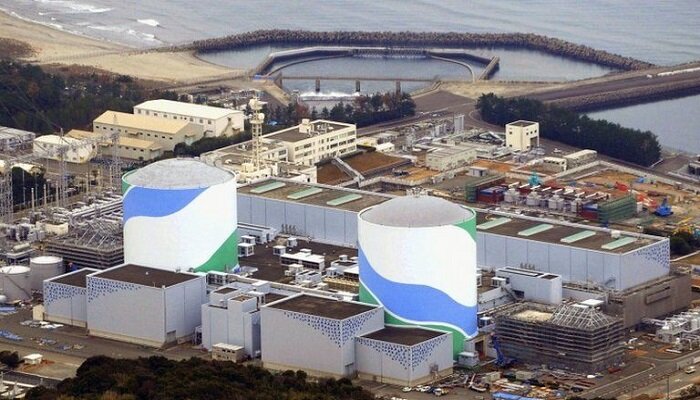
To fulfill its energy needs, Japan aims to restart seven idle nuclear plants this year and to begin construction on a new fleet of cutting-edge reactors.The decision was made in response to increased energy prices and a push to achieve net zero carbon targets.

The Green Transformation Executive Committee, which was established by the government to supervise the nation’s efforts to combat climate change, has expanded on the plan that was first presented last summer.

A 10-year road map was presented at a conference on December 22 and it included ideas for a nuclear rebirth.

Following the Fukushima Daiichi catastrophe in 2011, all 33 of the nation’s reactors were shut down for safety assessments. According to the Japan Times, nine were subsequently reactivated and are now meeting 10% of demand, down from 33% prior to the tragedy. The Nuclear Regulation Authority has given its approval for the government’s proposal to put seven more into operation by the end of the summer.

If safety can be ensured, Prime Minister Fumio Kishida stated in August that Japan should think about developing nuclear reactors of the next generation and extending the lifespan of its current fleet beyond its 40-year design lifespan. By 2030, it is anticipated to provide up to 22% of the nation’s electricity from nuclear sources.

By 2030, Japan wants to reduce carbon emissions by 46% and become carbon neutral by 2050. Japan promised to contribute $60 billion annually between 2021 and 2025 to address the climate disaster during the G7 conference in 2021. In order to reduce the nation’s reliance on coal-fired power plants, which currently produce about a third of its electricity, nuclear is considered as crucial. At the moment, Japanย is the sixth largest coal consumer in the world, importing over 200 million tonnes annually, primarily from Australia and Indonesia.

Power Info Today brings together the global energy industry โ€” from generation and transmission operators to utility executives and energy transition leaders โ€” through trusted editorial, market intelligence, and digital engagement.

Our 2026 Media Pack offers integrated solutions to reach your audience:

  • Magazine & Digital Editions Showcase your brand within premium energy industry coverage read by executives and decision - makers worldwide.
  • Industry Insights & Reports Align with data - driven analysis, trend reports, and regional roundups across the global power and energy value chain.
  • Brand Authority & Credibility Position your company as a thought leader through expert commentary, interviews, and special features.

Latest stories

Related stories

Subscribe

- Never miss a story with notifications

- Gain full access to our premium content

- Browse free from any location or device.

Media Packs

Expand Your Reach With Our Customized Solutions Empowering Your Campaigns To Maximize Your Reach & Drive Real Results!

โ€“ Access the Media Pack Now

โ€“ Book a Conference Call

โ€“ Leave Message for Us to Get Back

Translate ยป