





























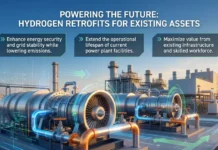




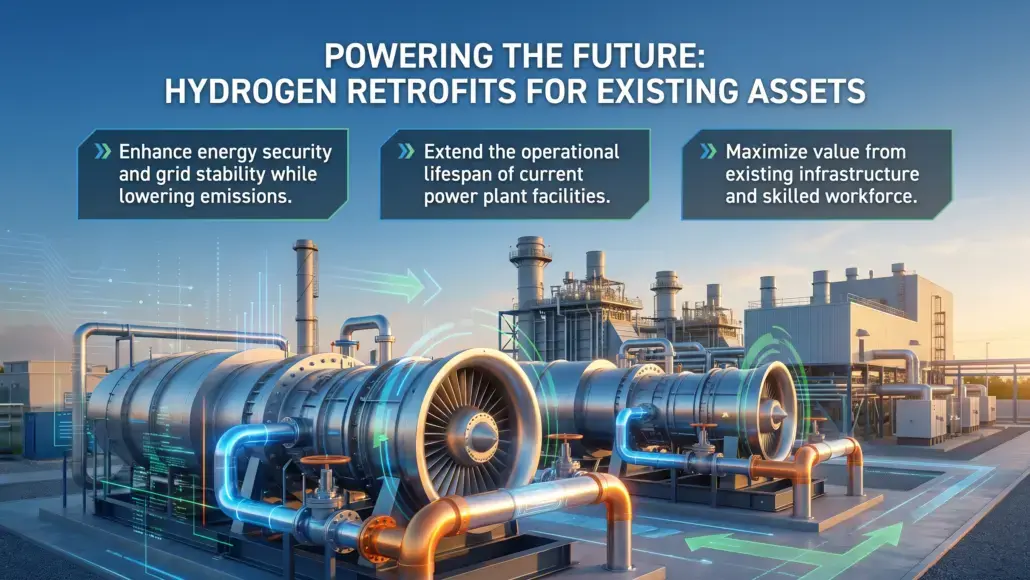

The global power generation industry is under intense pressure to reduce carbon emissions while ensuring energy security and grid stability. One of the most effective strategies for achieving this is the utilization of hydrogen turbine retrofit technologies extending existing power plant assets. By modifying current natural gas turbines to burn hydrogen, either in a blend or as a pure fuel, utilities can utilize their significant existing investments in infrastructure and human capital. This approach avoids the massive capital expenditures and long lead times associated with constructing entirely new zero-carbon facilities, providing a pragmatic pathway for the phased transition to a hydrogen economy.
Retrofitting existing assets involves a series of technical upgrades that address the unique properties of hydrogen, such as its high flame speed, low volumetric energy density, and propensity for leakage. These modifications are not limited to the turbine itself but extend to the entire fuel handling system and the control logic of the power plant. The goal is to maintain the performance and reliability of the asset while significantly reducing its carbon intensity. As hydrogen becomes more available through regional hubs and pipeline networks, the ability to rapidly deploy these retrofit solutions will be a key differentiator for forward-looking power producers.
Mechanical and Material Considerations for Hydrogen-Enriched Combustion
Hydrogen burns with a significantly different temperature and flame profile compared to natural gas, which necessitates a careful evaluation of the materials used in the hot section of the turbine. The use of hydrogen turbine retrofit technologies extending existing power plant assets often requires the application of advanced thermal barrier coatings to protect turbine blades and vanes from the increased heat flux. Additionally, hydrogen’s small molecular size and chemical reactivity can lead to phenomena such as hydrogen embrittlement in certain metals, particularly those in the fuel delivery and injection systems. Engineers must assess the compatibility of every component that comes into contact with the hydrogen fuel to prevent catastrophic failure.
The mechanical integrity of the turbine rotor and bearings also needs to be reviewed. While the power output of the turbine may remain similar, the change in fuel composition can alter the torque characteristics and vibrational profile of the machine. Monitoring systems must be upgraded to detect any early signs of material fatigue or unintended resonances. Additionally, the sealing systems within the turbine must be enhanced to prevent hydrogen leakage into the turbine enclosure, which would pose a significant fire and explosion risk. The use of double-block-and-bleed valves and advanced gas detection sensors is standard practice in these retrofit projects.
Cooling systems for the turbine components also require optimization. Hydrogen-enriched combustion can lead to higher metal temperatures if not properly managed. This may involve increasing the flow of cooling air to the turbine blades or modifying the internal cooling passages to enhance heat transfer. In some cases, the entire first stage of the turbine may need to be replaced with components designed for higher temperature operation. These material and mechanical upgrades are essential for ensuring that the life of the asset is truly extended and not compromised by the transition to a new fuel.
Upgrading Fuel Delivery and Control Systems for Hydrogen Blending
The fuel delivery infrastructure of a power plant is typically designed for the specific flow rates and pressures required for natural gas. Because hydrogen has a much lower volumetric energy density, a significantly larger volume of gas must be delivered to achieve the same energy input. This means that hydrogen turbine retrofit technologies extending existing power plant assets must include the resizing of fuel pipes, valves, and flow meters. In many cases, the entire fuel manifold must be replaced to handle the increased volumetric flow and to ensure uniform distribution of the fuel to the individual burners.
Control systems represent another critical area for modification. The combustion characteristics of hydrogen, particularly its rapid ignition and wide flammability limits, require much tighter control over the fuel-air ratio. The turbine’s control logic must be updated to manage the transition between different fuel blends and to respond to the dynamic changes in fuel composition that may occur if the hydrogen supply is intermittent. Advanced sensors, including fast-response flow meters and flame detectors, are necessary to provide the real-time data required for these control algorithms. The integration of digital twin technology can also help in predicting the behavior of the retrofitted turbine under various operational scenarios.
Blending stations, where hydrogen is mixed with natural gas, must be designed to provide a highly homogeneous mixture. Any stratification in the fuel line can lead to uneven combustion and localized hotspots, which can damage the turbine components. Static mixers and automated blending controls are used to ensure that the fuel entering the turbine meets the required specifications. The ability to vary the hydrogen content in real-time allows the power plant to respond to both the availability of hydrogen and the requirements of the grid, providing a high degree of operational flexibility.
Advanced Burner Designs and Combustion Stability Management
The heart of the turbine retrofit is the combustion system. Conventional dry low NOx (DLN) burners are often unsuitable for high concentrations of hydrogen due to the risk of flashback, where the flame travels upstream into the burner nozzle. To overcome this, hydrogen turbine retrofit technologies extending existing power plant assets utilize advanced burner designs such as micro-mix combustion or multi-cluster injectors. These designs break the fuel into many smaller streams, which are then rapidly mixed with air to prevent the formation of large, unstable flames. This approach allows for stable combustion even with one hundred percent hydrogen fuel.
Managing combustion stability is also vital for preventing acoustic oscillations, which can lead to severe mechanical damage. The high flame speed of hydrogen changes the acoustic properties of the combustion chamber, potentially triggering resonances that were not present when burning natural gas. Passive dampening systems, such as Helmholtz resonators, may need to be tuned or added to the combustion liner. Active control systems that adjust the fuel distribution in response to pressure fluctuations are also being deployed in high-hydrogen applications. These measures ensure that the turbine can operate safely across its entire load range.
NOx emissions management is another significant challenge. Because hydrogen burns at a higher temperature, the formation of thermal NOx can increase if not properly controlled. The use of diluents, such as steam or nitrogen, can help lower the flame temperature and keep NOx emissions within regulatory limits. Alternatively, advanced lean-premixed combustion technologies are being developed that can achieve low NOx levels without the need for external diluents. The selection of the combustion technology depends on the specific requirements of the power plant and the local emission regulations.
Heat Recovery Steam Generator and Auxiliary System Modifications
In a combined cycle power plant, the exhaust heat from the gas turbine is used to generate steam in a heat recovery steam generator (HRSG). When a turbine is retrofitted to burn hydrogen, the composition and temperature of the exhaust gas will change, affecting the performance of the HRSG. The increased moisture content in the hydrogen exhaust gas can lead to higher heat transfer rates, but it also increases the risk of condensation and corrosion in the lower-temperature sections of the HRSG. Therefore, hydrogen turbine retrofit technologies extending existing power plant assets must involve a thorough analysis of the steam cycle to identify any necessary modifications.
The selective catalytic reduction (SCR) system, which is used to remove NOx from the exhaust gas, may also need to be upgraded. If the hydrogen-enriched combustion results in higher raw NOx levels, the SCR must be capable of handling the increased load. This might involve increasing the volume of the catalyst or upgrading the ammonia injection system. The impact of the increased moisture on the catalyst’s performance and lifespan must also be considered. Proper management of the exhaust chemistry is essential for maintaining the environmental credentials of the retrofitted plant.
Auxiliary systems, such as the lubrication oil and cooling water systems, generally require less modification but should not be overlooked. The change in the turbine’s thermal profile can affect the cooling requirements of the bearing oil. Additionally, the fire protection systems in the turbine building must be upgraded to account for the presence of hydrogen. This includes installing hydrogen-specific fire detectors and ensuring that the ventilation systems are adequate to prevent the buildup of gas in the event of a leak. These holistic upgrades ensure that the entire power plant remains a safe and reliable asset.
Economic Justification for Retrofitting in the Context of Asset Lifecycle
The decision to retrofit an existing turbine rather than replace it is fundamentally an economic one. Retrofitting allows power producers to extend the useful life of their assets by another fifteen to twenty years while meeting increasingly stringent carbon targets. The capital cost of a hydrogen retrofit is typically a fraction of the cost of a new hydrogen-ready turbine and the associated balance-of-plant equipment. For utilities with a large fleet of relatively young gas assets, these retrofit technologies offer a compelling way to manage the transition to a low-carbon future without incurring massive stranded asset costs.
Similarly, the ability to operate on a blend of hydrogen and natural gas provides a valuable hedge against the volatility of both fuel markets. As the price of carbon increases and the cost of hydrogen falls, the plant can gradually increase its hydrogen blending ratio, optimizing its economic performance over time. This flexibility is a key advantage in an uncertain energy environment. The retrofit approach also allows for a more gradual investment schedule, as the upgrades can be timed to coincide with major maintenance outages, minimizing the impact on plant availability and revenue.
Finally, the social and political value of retrofitting should not be underestimated. By transforming existing fossil fuel plants into clean energy hubs, utilities can preserve local jobs and maintain the economic base of the communities where they operate. This can simplify the permitting and public acceptance process for decarbonization projects. When viewed through the lens of total lifecycle cost and strategic flexibility, the case for retrofitting is clear. It represents a vital tool for the power generation sector to achieve net-zero goals while maintaining the reliable supply of electricity that modern society depends upon.