







































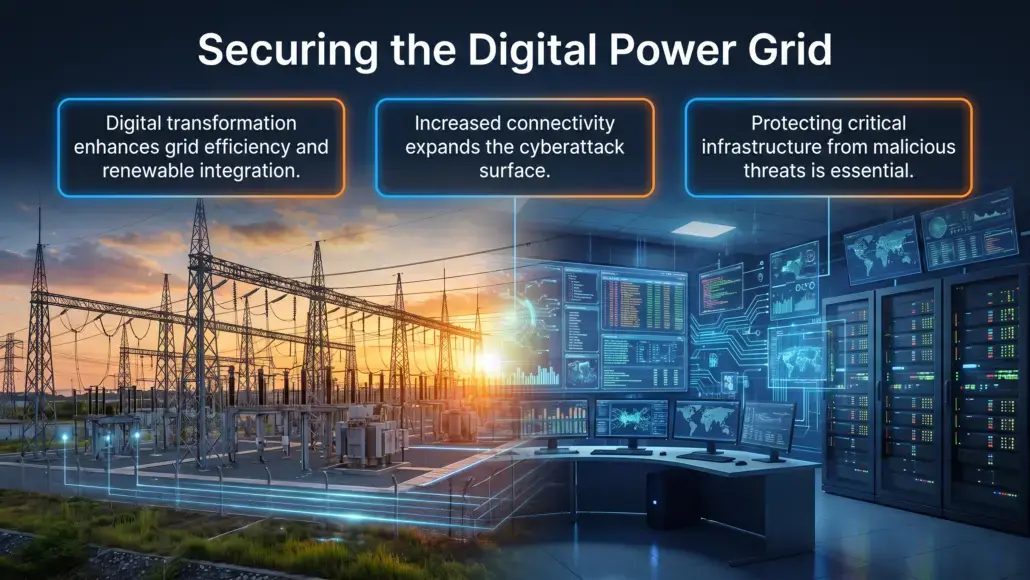

The digital transformation of the power sector has brought unprecedented levels of efficiency, visibility, and control to the electrical grid. From smart meters and automated substations to sophisticated energy management systems, the integration of information technology into operational technology has enabled the rise of a more responsive and renewable-heavy energy system. However, this increased connectivity has also expanded the attack surface for malicious actors, making the grid a prime target for cyber warfare and industrial espionage. Consequently, the deployment of cybersecurity systems strengthening resilience of digital power grids has become a paramount priority for utilities and national security agencies alike. These systems are designed to protect the integrity, availability, and confidentiality of the data and control signals that keep the lights on, ensuring that the power system can withstand and recover from sophisticated digital incursions.
Addressing the Convergence of IT and OT Environments
One of the most significant challenges in grid security is the convergence of traditional Information Technology (IT) and Operational Technology (OT). Historically, power plant control systems and substation networks were isolated from the internet, a practice known as air-gapping. Today, the need for real-time data analytics and remote management has bridged these environments, exposing sensitive industrial control systems to the same threats that plague corporate networks. The implementation of cybersecurity systems strengthening resilience of digital power grids requires a specialized approach that understands the unique requirements of OT, where availability and safety take precedence over data privacy. Unlike an IT system that can be patched and rebooted with minimal disruption, an OT system must maintain continuous operation to prevent physical damage to equipment or large-scale power outages.
To manage this risk, utilities are adopting defense-in-depth strategies that include network segmentation, strong access controls, and specialized industrial firewalls. These measures are designed to contain a potential breach within a single segment of the network, preventing an attacker from moving laterally from a compromised workstation to a critical turbine controller. The use of unidirectional security gateways, or data diodes, is another key component of these systems, allowing data to flow from the OT network to the IT network for monitoring purposes while physically preventing any signals from traveling in the opposite direction. This physical isolation ensures that even if the corporate network is compromised, the control systems remain protected.
Continuous Monitoring and Threat Detection in OT Networks
Static defenses like firewalls and passwords are no longer sufficient to protect against modern, persistent threats. Attackers are increasingly using legitimate credentials and living-off-the-land techniques to hide their activities within normal network traffic. Therefore, the advancement of cybersecurity systems strengthening resilience of digital power grids relies heavily on continuous monitoring and behavioral analysis. Specialized intrusion detection systems for industrial networks can baseline the normal communication patterns of SCADA and DCS protocols, alerting operators to any deviations that might indicate a cyberattack or a system malfunction. These tools provide the situational awareness necessary to detect an intrusion in its early stages before the attacker can execute a damaging command.
Additionally, the integration of artificial intelligence and machine learning into these monitoring platforms is enhancing their ability to identify complex, multi-stage attacks. By analyzing vast amounts of telemetry data from across the grid, these AI-driven systems can spot subtle correlations that a human analyst might miss. For example, a suspicious login at a remote substation combined with an unusual set of valve commands at a power plant could be flagged as a coordinated attack. This proactive stance is essential for maintaining grid reliability in an era where cyber threats evolve at a much faster pace than the physical infrastructure they target.
Implementing Zero Trust Architectures for Grid Control
The traditional security model, which assumes that everything inside the network perimeter is trustworthy, is being replaced by a Zero Trust architecture. In a Zero Trust environment, no user or device is trusted by default, regardless of their location or connection type. Every request to access a critical resource must be verified, authorized, and encrypted. For the power sector, this means implementing strong multi-factor authentication for all remote access and using micro-segmentation to strictly limit the communication between different parts of the grid. The adoption of cybersecurity systems strengthening resilience of digital power grids through Zero Trust principles significantly reduces the risk of unauthorized access to sensitive control loops.
Zero Trust also extends to the supply chain, ensuring that the hardware and software used in the grid are free from backdoors or malicious code. Utilities are increasingly requiring vendors to provide Software Bills of Materials (SBOMs) and to undergo rigorous security audits. This scrutiny is necessary because a single vulnerability in a widely used relay or inverter could be exploited to cause a widespread failure. By treating every component as a potential threat vector, grid operators can build a more resilient system that is not dependent on the perfection of any single layer of defense.
Regulatory Compliance and Industry Standards
The regulatory environment for grid cybersecurity is becoming increasingly stringent, with mandates like the NERC CIP (Critical Infrastructure Protection) standards in North America setting the baseline for utility security practices. These standards cover everything from physical security and personnel training to incident reporting and recovery planning. The implementation of cybersecurity systems strengthening resilience of digital power grids is often driven by the need to meet these compliance requirements, which provide a structured framework for managing cyber risk. Regular audits and vulnerability assessments are a core part of this process, ensuring that security measures are not only implemented but also effective and up to date.
Beyond mandatory regulations, international standards like IEC 62443 and ISO 27001 provide best practices for securing industrial automation and control systems. These standards emphasize the importance of a lifecycle approach to security, starting from the design phase and continuing through decommissioning. By aligning their security strategies with these global benchmarks, utilities can ensure a consistent and strong defense across their entire fleet of assets. The sharing of threat intelligence between utilities and government agencies is another vital aspect of industry-wide resilience, allowing the entire sector to benefit from the lessons learned by individual companies.
Resilience and Recovery in the Face of Cyber Incidents
Despite the best efforts of security teams, no system can be 100 percent secure. Therefore, a critical component of any cybersecurity strategy is the ability to respond to and recover from an incident. The advancement of cybersecurity systems strengthening resilience of digital power grids includes the development of comprehensive incident response plans that are regularly tested through tabletop exercises and red-team simulations. These plans must coordinate the actions of IT, OT, and operations personnel, ensuring that everyone knows their role during a crisis. The ability to quickly isolate compromised systems and switch to manual operation or back-up controllers is essential for minimizing the impact of an attack.
Recovery also involves having secure, offline backups of all critical configurations and software. In a scenario where a ransomware attack encrypts the primary control systems, the ability to restore the grid from a known good state is the difference between a few hours of downtime and weeks of disruption. Additionally, post-incident analysis is crucial for understanding how the breach occurred and for implementing the necessary changes to prevent a recurrence. This continuous cycle of protection, detection, response, and recovery is the hallmark of a resilient digital power grid, capable of fulfilling its mission in a dangerous and uncertain digital world.
Future Threats and Emerging Defense Technologies
As the power grid continues to evolve with the integration of Internet of Things (IoT) devices and edge computing, the security challenges will only multiply. The sheer number of connected devices, many with limited processing power and security features, creates a vast new range of vulnerabilities. Future developments in cybersecurity systems strengthening resilience of digital power grids will likely involve the use of blockchain for secure decentralized identity management and the deployment of quantum-resistant encryption to protect long-term communications. The goal is to create an inherently secure grid architecture where security is not an add-on but a fundamental property of every component.
Additionally, the development of “cyber-physical” security models, which combine network data with physical laws of electricity, offers a new way to detect malicious activity. By checking if a set of control commands is physically consistent with the current state of the grid, these models can identify and block attacks that might otherwise pass through traditional network monitors. This fusion of power engineering and cybersecurity is the ultimate defense, ensuring that the physical reality of the power system remains the final authority. The ongoing investment in these advanced technologies and the expertise to manage them is the best way to ensure that the digital power grids of the future remain a reliable and secure foundation for society.