
























The Scottish Government has granted consent for a new gas-fired power station with carbon capture at Peterhead, paving the way for a 900–910 megawatt (MW) electricity generation project developed by SSE and Norway’s Equinor. The facility is designed to capture at least 90% of its carbon emissions and is expected to support electricity supply as Scotland expands renewable energy generation.
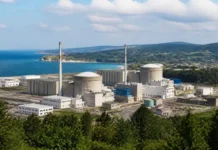
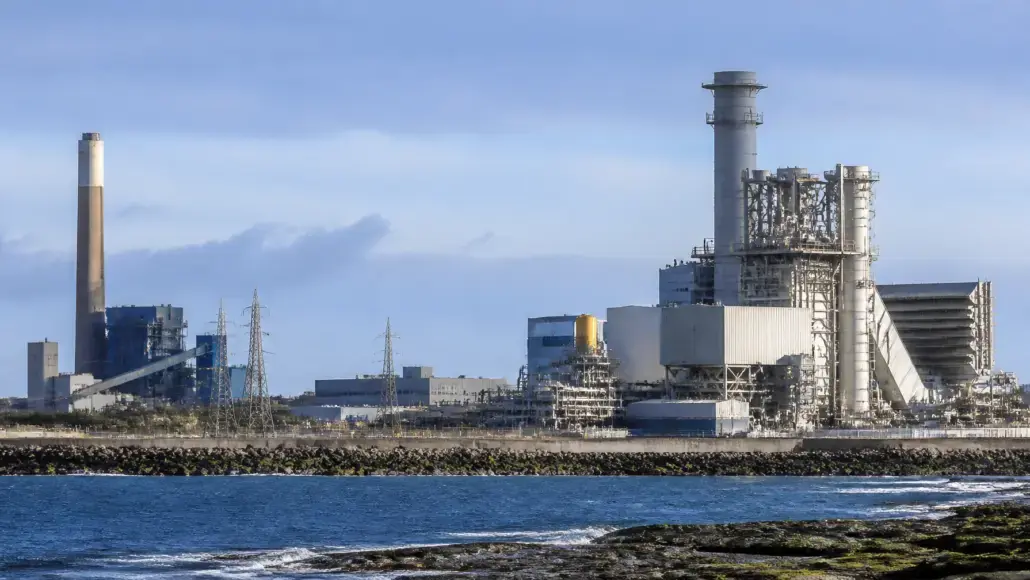
The Peterhead Carbon Capture Power Station will be built on land beside SSE’s existing Peterhead Power Station, a 1,180 MW gas-fired facility that has operated since 1982. The existing plant, described as Scotland’s last fossil-fuel power station, had been expected to close by 2030 but is now expected to continue operating until at least the mid-2030s.
The new project could create around 1,000 jobs during construction and provide dozens of permanent roles once operational. A separate report estimates that it could contribute approximately £60 million to the north-east Scottish economy.
Carbon Capture Project Supports Power Generation
The proposed power station is expected to play a central role in the Acorn carbon capture and storage (CCS) project, which aims to establish infrastructure for capturing and storing carbon emissions in Scotland. Its development would provide an additional source of emissions for the wider CCS project.
However, Acorn has faced several setbacks, including the closure of the Grangemouth refinery, previously Scotland’s largest carbon polluter, and the loss of emissions from Mossmorran. Storegga, Acorn’s key technology partner, has also announced plans to sell its stake, although a buyer has not yet been identified. Shell and Harbour Energy are among the other investors involved in the project.
Finlay McCutcheon, managing director of SSE Thermal, described the planning consent as “an important milestone” for the proposed power station. He said the facility could deliver flexible, low-carbon electricity to support a renewables-led energy system while sustaining employment in north-east Scotland.
McCutcheon also identified the project as an anchor for the wider Scottish carbon capture cluster. Further progress at Peterhead will depend on that cluster being delivered. SSE said it would now study the government’s consent decision in detail.
Existing Plant Expected to Operate Longer
The new development is planned alongside the continued operation of the existing Peterhead Power Station, extending the site’s role in Scotland’s electricity system.
John Underhill, director for energy transition at the University of Aberdeen, said the consent indicated that the Scottish Government recognised a continuing role for gas in the energy mix, provided emissions are captured and stored.
Underhill also said the decision gives the Acorn project a potential lifeline by providing a new source of emissions for storage. He added that the proposed facility could supply baseload electricity as existing gas-fired and nuclear power stations retire.
Environmental Assessment Considered in Consent
The Scottish Government said the decision followed consideration of the project’s potential environmental effects. A government spokesperson said impacts on communities, nature and cultural heritage, including cumulative effects, were important considerations.
The consent letter states that ministers were satisfied that the environmental impacts had been assessed.
With consent now granted, SSE will review the decision as the project advances. The proposed station’s progress remains linked to the wider Acorn carbon capture and storage cluster, which is intended to provide the infrastructure needed to capture and store emissions from industrial and energy facilities.
The project combines gas-fired electricity generation with carbon capture, positioning it as a proposed source of flexible power within Scotland’s changing electricity system.