








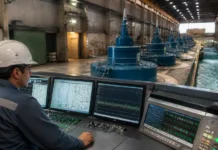






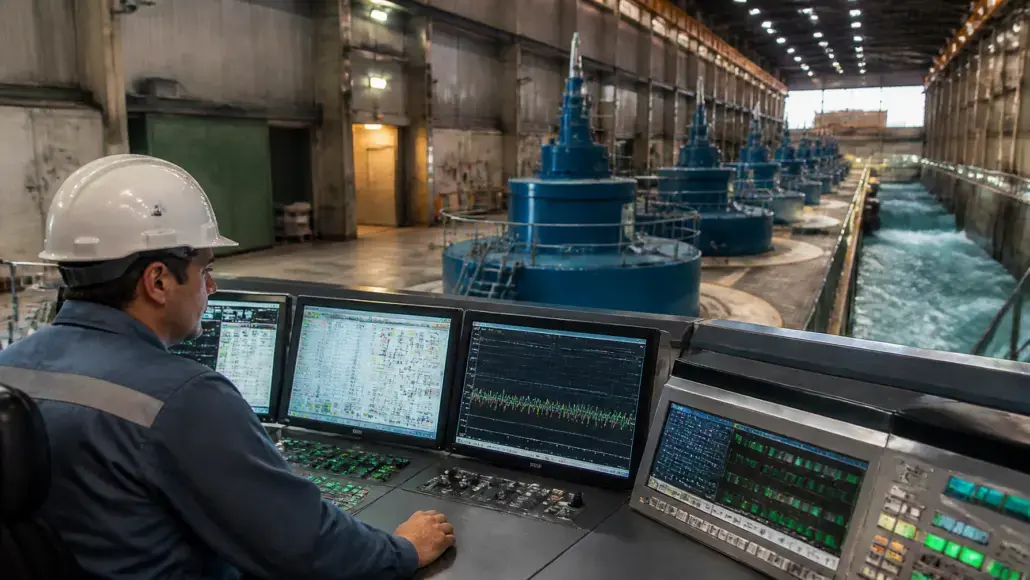

The transition from manual mechanical governors to sophisticated automated turbine control systems has fundamentally altered the operational capabilities of hydroelectric power plants. In the early days of hydropower, maintaining a stable frequency and managing load required constant human intervention and physical adjustments to the guide vanes and runner blades. Today, digital control architectures allow for microsecond-level precision in managing the flow of water and the rotational speed of the turbine. This level of control is essential for modern grid synchronization, where even minor deviations in frequency can lead to instability or hardware damage. The integration of high-speed processors and advanced sensors has made these systems the central nervous system of the generation process.
Modern turbine control systems operate through a complex feedback loop that continuously monitors the physical state of the turbine and the electrical state of the grid. If the grid frequency drops due to increased demand, the control system immediately signals the governor to open the guide vanes, allowing more water to pass through the turbine and increasing power output. Conversely, if frequency rises, the system restricts the flow to maintain balance. This automated response happens with a level of speed and accuracy that is impossible to achieve through manual operation. The result is a more stable grid and a more efficient use of the available hydrological head, ensuring that the plant can respond dynamically to the needs of the energy market.
The precision of these systems also plays a critical role in protecting the mechanical integrity of the turbine unit. Rapid changes in water flow can create significant pressure surges and mechanical vibrations, which, if not managed correctly, can lead to cavitation or structural fatigue. Automated turbine control systems are designed to manage these transitions smoothly, using algorithms that account for the hydraulic inertia of the water column and the mechanical inertia of the rotating mass. By optimizing the “ramp rate” of the turbine, the system minimizes the stress on components, thereby extending the service life of the equipment and reducing the frequency of costly maintenance interventions.
Digital Architecture and Sensor Integration
The technical core of a modern turbine control system is the Programmable Logic Controller (PLC) or a Distributed Control System (DCS). these units process thousands of data points every second, from oil pressure in the bearings to the exact position of each guide vane. The reliability of these controllers is paramount, as a failure in the control logic can lead to a runaway turbine or a catastrophic mechanical failure. To ensure continuous operation, most plants utilize redundant architectures, where a backup controller is ready to take over instantly if the primary unit fails. This multi-layered approach to hardware safety is a hallmark of professional B2B energy infrastructure.
Sensor integration is another critical component of high-precision turbine control. High-resolution encoders provide real-time feedback on the position of hydraulic actuators, while vibration sensors monitor the health of the bearings and the alignment of the shaft. These data streams are fed into the control algorithms, allowing the system to make fine-tuned adjustments to the turbine’s operation. For example, if the system detects an increase in vibration at a certain power level, it can automatically adjust the runner blade angle to move the turbine out of the problematic operational zone. This proactive management of mechanical health is essential for maintaining the high availability rates required of base load power plants.
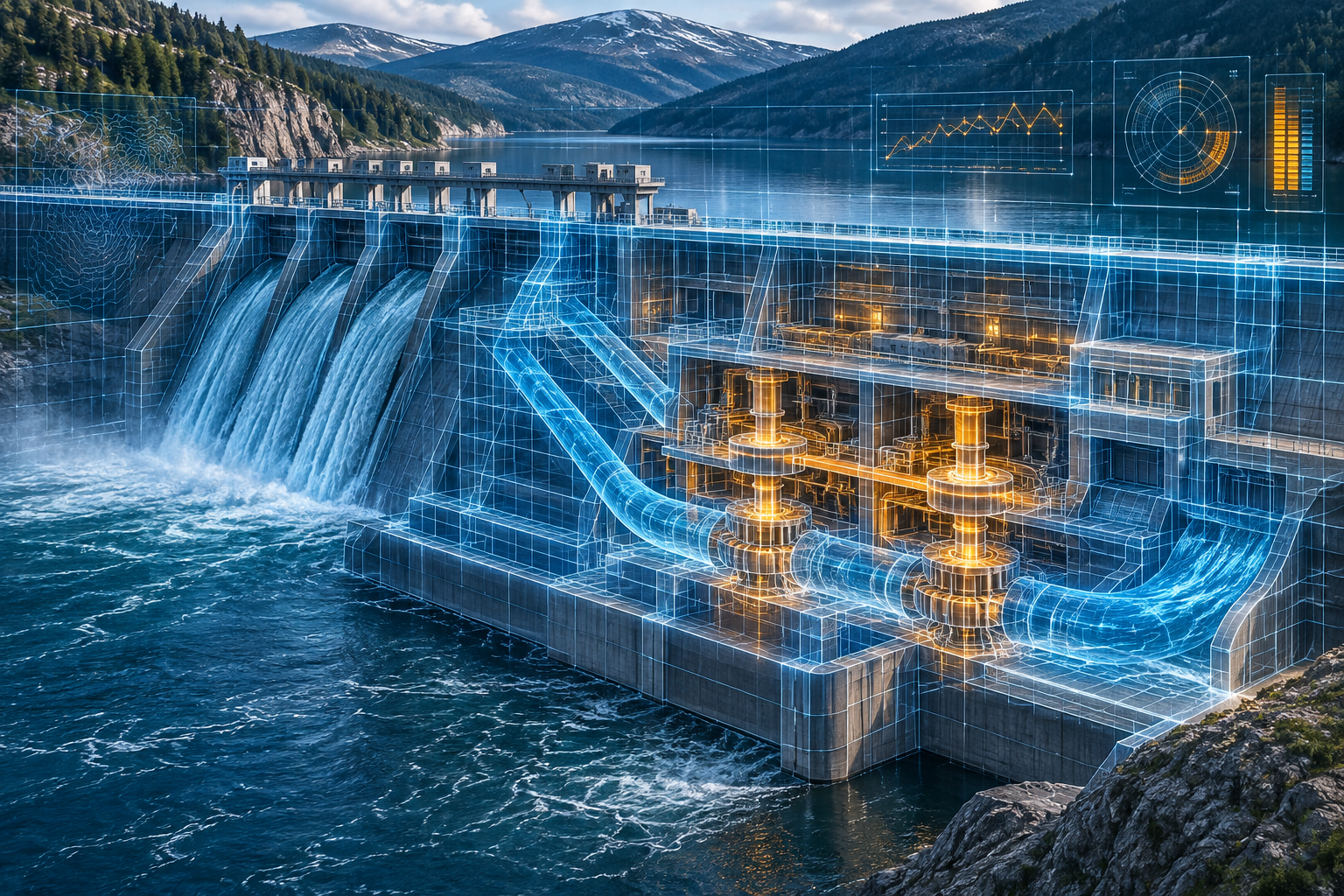
Furthermore, the software environment supporting turbine control systems has become increasingly sophisticated. Modern platforms feature intuitive Human-Machine Interfaces (HMIs) that allow operators to visualize the state of the entire plant in real-time. These interfaces provide detailed diagnostics and historical trend analysis, making it easier for engineering teams to identify long-term patterns in performance or to troubleshoot specific technical issues. The ability to remotely monitor and adjust turbine parameters has also enabled the growth of unmanned or semi-autonomous hydropower operations, particularly in remote regions where staffing is a challenge.
Precision Generation and Grid Services
The primary objective of automated turbine control systems is the delivery of precise and reliable power to the national grid. This involves more than just maintaining a steady output; it requires the ability to provide essential grid services such as primary and secondary frequency regulation. In many energy markets, hydropower plants are paid a premium for their ability to provide these fast-acting services. The speed with which a digital governor can respond to frequency deviations makes hydropower a superior asset for grid stabilization compared to many thermal power plants. This capability is becoming even more valuable as the share of intermittent solar and wind energy on the grid continues to grow.
Load management is another area where the precision of turbine control systems is critical. In a multi-unit plant, the control system must decide how to distribute the total load among the available turbines to achieve maximum overall efficiency. This often involves complex calculations to determine which units should be running at what power levels, taking into account the specific efficiency curves of each individual machine. Intelligent Pumped Storage Operations Supporting Flexible Power Generation represent a specialized application of this technology, where the control system must manage both the generation and pumping cycles with high accuracy. By optimizing the load distribution across the plant, the control system ensures that the facility extracts the maximum possible energy from the available water flow.
- Frequency Control: Maintaining the grid frequency within tight tolerances through rapid adjustment of turbine output.
- Voltage Regulation: Managing the excitation system of the generator to maintain stable grid voltage levels.
- Efficiency Optimization: Adjusting turbine parameters to operate at the peak of the efficiency curve.
- Unit Coordination: Managing the start-up, shut-down, and load distribution of multiple units within a single plant.
Additionally, the integration of turbine control with wider plant management systems allows for more effective response to environmental constraints. For example, if downstream water levels must be maintained within a specific range, the control system can automatically adjust the turbine discharge to meet these requirements while still maximizing power production. This ability to balance technical, economic, and environmental objectives is a key feature of modern automated control platforms. The precision offered by these systems ensures that the plant remains a responsible and reliable participant in the broader energy ecosystem.
Safety Protocols and Emergency Management
Safety is built into the very core of automated turbine control systems. Beyond the day-to-day management of power production, these systems are responsible for executing emergency procedures in the event of a mechanical or electrical fault. If the system detects a critical condition, such as a loss of grid connection or an overspeed event, it initiates an emergency shutdown sequence. This involves the rapid closure of the guide vanes and the application of mechanical brakes to bring the turbine to a safe stop as quickly as possible. The speed and reliability of these emergency functions are essential for preventing catastrophic damage to the turbine and the generator.
The management of hydraulic transients, or “water hammer,” is another critical safety function of the control system. When a turbine is shut down quickly, the sudden stop in water flow creates a massive pressure wave that can rupture pipes and damage the dam structure. Turbine control systems are programmed to manage these shutdowns in a way that dissipates this energy safely, often by coordinating the movement of the guide vanes with the operation of relief valves or surge tanks. This careful management of hydraulic energy is a fundamental requirement for the safe operation of any high-head hydropower facility.
The system also provides a comprehensive “black box” record of events leading up to any fault. Every sensor reading and control signal is logged with high temporal resolution, allowing engineering teams to perform a detailed post-event analysis. This forensic capability is invaluable for identifying the root cause of a failure and for implementing corrective measures to prevent a recurrence. The transparency and accountability provided by these digital logs support a culture of continuous safety improvement within the power generation industry. By providing a clear and verifiable record of operational history, the system helps to maintain the high safety standards expected of critical national infrastructure.
Future Horizons for Turbine Automation
The future of turbine control systems will be defined by the increasing application of artificial intelligence and edge computing. Machine learning algorithms will be used to analyze historical performance data and to predict future maintenance needs with even greater accuracy. These systems will be able to identify the subtle precursors of mechanical failure, allowing for interventions long before a physical breakdown occurs. The transition from reactive to predictive maintenance will further increase the availability and reliability of hydropower assets. Additionally, edge computing will allow for more data processing to occur directly at the turbine site, reducing latency and increasing the speed of the control response.
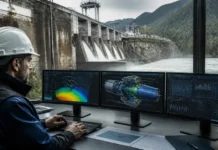
The integration of turbine control with other digital technologies, such as digital twins and advanced sensor networks, will create a more holistic and intelligent generation environment. Operators will be able to visualize the internal state of the turbine in real-time through a virtual model, making it easier to understand the impact of different control strategies. The ability to simulate the effects of a control adjustment before it is implemented in the field will further reduce operational risk and increase efficiency. As the hydropower industry continues to evolve, the role of automated control systems will only grow in importance, providing the technical foundation for a more flexible and sustainable power grid.
In conclusion, the development of automated turbine control systems represents a major leap forward in the technical management of hydroelectric power plants. These systems provide the precision, reliability, and safety needed to operate in a modern energy market. By optimizing the conversion of hydraulic energy into electrical power and protecting the integrity of the physical assets, they ensure the long-term viability of the hydropower sector. As technological innovation continues to drive the industry forward, the further refinement of these control platforms will remain a key priority for power producers worldwide.