




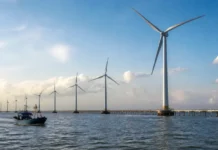
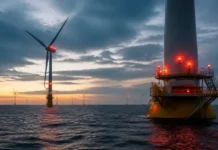
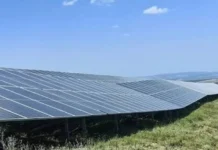

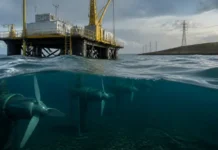
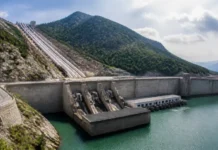
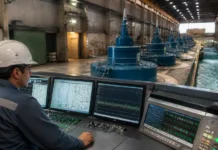
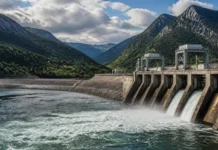
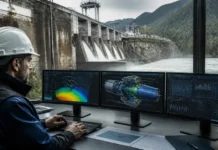
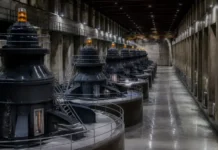




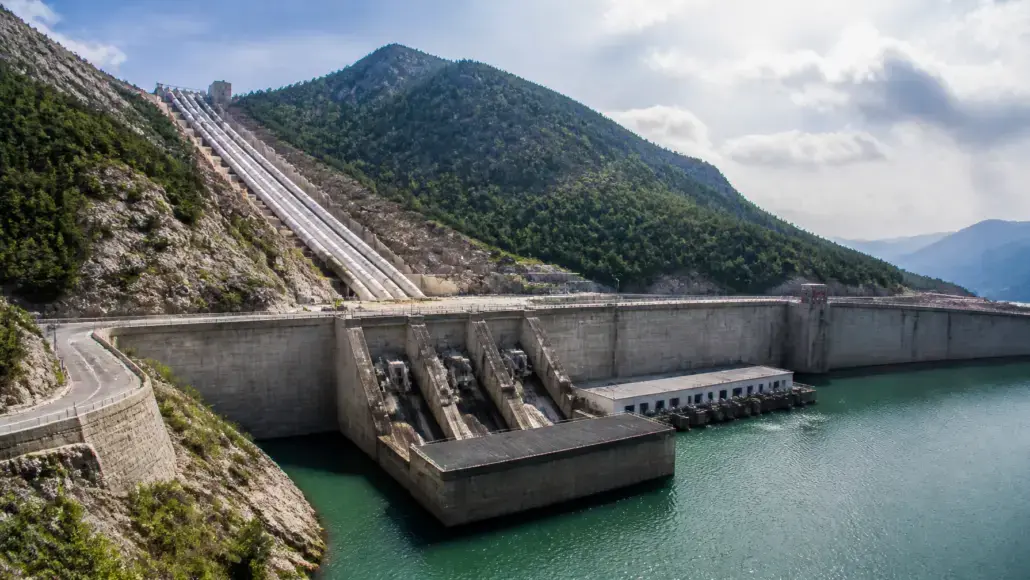

The rapid expansion of variable renewable energy sources, such as wind and solar, has created an urgent need for large-scale energy storage solutions to maintain grid stability. In this context, pumped storage operations represent the most mature and efficient method of storing electrical energy in bulk. These facilities function as a massive water-based battery, utilizing two reservoirs at different elevations to store potential energy. When electricity demand is low and supply is abundant, water is pumped from the lower reservoir to the upper one. During periods of peak demand, the process is reversed, and the water is released through turbines to generate power. This cyclic operation is essential for balancing the daily fluctuations in energy production and consumption.
The efficiency of pumped storage operations has significantly improved with the advent of modern power electronics and digital control systems. Traditional facilities were limited to fixed-speed pumping, which meant they could only operate at a single power level during the pumping phase. Modern variable-speed technology allows for much greater flexibility, enabling the plant to adjust its pumping load in real-time to match the availability of excess energy on the grid. This capability is critical for integrating higher levels of wind and solar power, as it allows the storage facility to absorb intermittent surges in renewable generation that would otherwise be lost. The result is a more resilient and efficient energy system that makes better use of all available resources.
Beyond simple energy storage, pumped storage operations provide a range of essential grid services that support overall system reliability. These include fast-acting frequency regulation, voltage support, and black-start capabilities. In the event of a major grid failure, a pumped storage plant can be started quickly without the need for an external power supply, providing the initial energy needed to restart other power stations. This “insurance policy” function makes these facilities a vital component of national energy security. The ability to transition from pumping to generating mode in a matter of minutes allows these plants to respond to sudden changes in grid conditions with a level of speed that few other storage technologies can match.
Technical Challenges and Operational Optimization
Operating a pumped storage facility involves managing a complex set of hydraulic and mechanical challenges. The rapid switching between pumping and generating modes creates significant mechanical stress on the pump-turbine units and the associated penstocks. Advanced Sensor Networks Enabling Data-Driven Hydropower Operations are increasingly used to monitor these stresses in real-time, providing the data needed to optimize operational cycles and minimize wear and tear. By understanding the physical limits of the equipment, operators can maximize the frequency of storage cycles without compromising the long-term integrity of the asset. This data-driven approach is essential for maintaining the high availability rates required for grid-scale storage.
The optimization of the pumping and generation cycle is a sophisticated technical task that requires a deep understanding of market dynamics and hydrological constraints. Operators must decide exactly when to pump and when to generate to maximize the economic value of the stored energy. This involves analyzing real-time electricity prices, weather forecasts, and grid demand projections. The integration of automated trading algorithms with the plant’s control system allows for the execution of these strategies with high precision. By capturing the price spread between low-demand and high-demand periods, pumped storage operations can achieve financial viability while providing a critical service to the energy market.
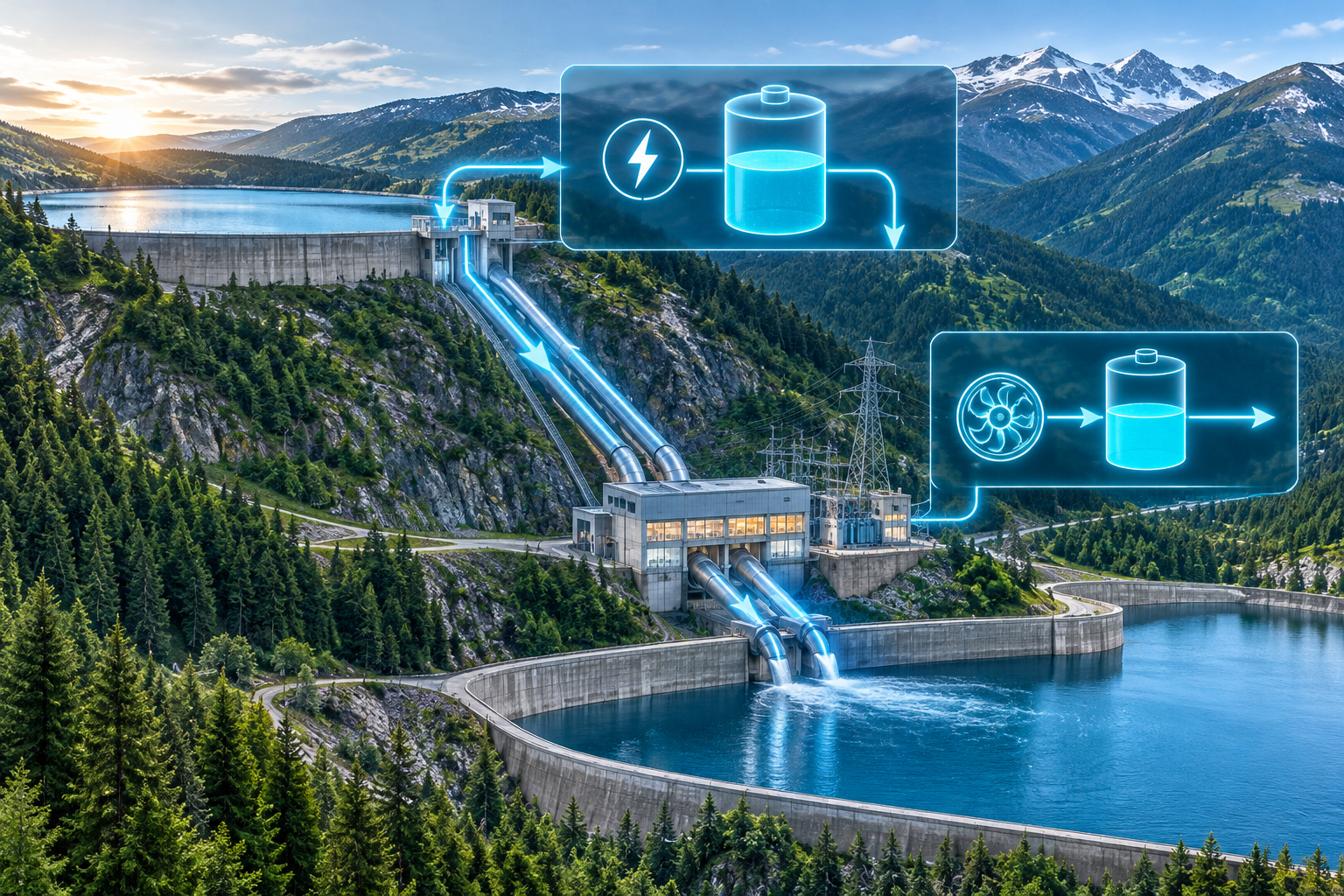
Furthermore, the management of reservoir levels and water quality is a key operational concern. Evaporation, seepage, and sedimentation can all impact the efficiency and capacity of the storage system over time. Modern facilities utilize advanced monitoring tools to track these variables and implement corrective measures as needed. For instance, reservoir liners can be used to minimize seepage, while specialized intake structures can reduce the accumulation of sediment in the lower reservoir. The goal is to maintain the maximum possible energy density within the storage system, ensuring that every cubic meter of water is used to its full potential.
Grid Integration and Flexibility Requirements
The primary value proposition of pumped storage operations is their ability to provide the flexibility needed to manage a modern power grid. As traditional thermal power plants are retired and replaced by renewable sources, the inherent inertia of the grid decreases, making it more sensitive to fluctuations. Pumped storage facilities provide the necessary rotational inertia and fast-response capability to keep the system stable. The ability to ramp power up or down quickly is a critical technical requirement for managing the “duck curve” of energy demand, where solar production drops off rapidly just as evening demand begins to peak.
Effective grid integration requires a high degree of coordination between the storage operator and the regional grid manager. Pumped storage operations must be able to respond to grid signals with high reliability and precision. This involves the use of sophisticated communication protocols and automated control interfaces that allow the grid manager to dispatch the storage facility as needed. In many regions, the storage plant is treated as a virtual generator or a flexible load, depending on its current mode of operation. This seamless integration is essential for maintaining the balance between supply and demand on a second-by-second basis, ensuring that power remains available and stable for all consumers.
- Peak Shaving: Reducing the peak demand on the grid by releasing stored energy during high-use periods.
- Load Following: Adjusting generation or pumping to match the real-time changes in consumer demand.
- Spinning Reserve: Maintaining a portion of the storage capacity in reserve to provide immediate power in the event of a plant failure elsewhere on the grid.
- Arbitrage: Buying low-cost electricity during off-peak hours to pump water and selling it back at a higher price during peak hours.
Additionally, the role of pumped storage is expanding to include the integration of decentralized energy resources. As more households and businesses install solar panels and batteries, the management of the distribution grid becomes more complex. Large-scale pumped storage facilities can act as a regional buffer, smoothing out the fluctuations from many small-scale producers. This hierarchical approach to energy storage ensures that the benefits of renewable energy can be realized at all levels of the system. The continued investment in these facilities is a testament to their enduring value as a cornerstone of a sustainable and flexible energy future.
Environmental Considerations and Sustainable Development
While pumped storage operations are a key tool for clean energy integration, their development and operation must be managed with sensitivity to environmental impacts. The construction of large reservoirs can lead to habitat loss and changes in local hydrology. To mitigate these effects, many modern projects are designed as “closed-loop” systems, which utilize two artificial reservoirs off-stream, rather than damming an existing river. This approach significantly reduces the impact on aquatic ecosystems and simplifies the regulatory approval process. By focusing on sustainable design, the industry can continue to expand its storage capacity while minimizing its ecological footprint.
The management of water chemistry and thermal layering within the reservoirs is also an important environmental concern. Rapid cycling of water can lead to changes in temperature and oxygen levels, which can impact local biodiversity if the water is eventually released back into the environment. Modern operators use aeration systems and thermal monitoring to ensure that the water remains healthy and that any releases meet stringent environmental standards. The integration of environmental monitoring with operational data allows for a more holistic approach to facility management, where ecological health is treated as a core performance metric alongside energy efficiency.
Furthermore, the repurposing of existing industrial sites, such as abandoned mines or quarries, for pumped storage operations represents a significant opportunity for sustainable development. These sites often already have much of the necessary infrastructure in place and have already undergone significant land disturbance, making them ideal candidates for redevelopment as energy storage hubs. This approach not only provides a new lease of life for old industrial assets but also reduces the need for “greenfield” development. The ability to transform a legacy environmental liability into a critical asset for the clean energy transition is a powerful example of circular economy principles in action.
Future Perspectives on Energy Storage Technology
The future of pumped storage operations will be shaped by the continued integration of digital technologies and the exploration of new materials and designs. Research is currently underway into high-head pump-turbines that can operate with greater efficiency and flexibility. Additionally, the use of advanced coatings and materials for turbines and penstocks will reduce friction and wear, further extending the service life of these assets. The convergence of these mechanical improvements with AI-driven operational optimization will create a new generation of “smart” storage facilities that can respond to the needs of the grid with unprecedented precision.
The expansion of pumped storage capacity will also be driven by new policy frameworks and market mechanisms that recognize the value of flexibility and storage. In many parts of the world, energy markets are being redesigned to provide a clear financial incentive for facilities that can provide long-duration storage and fast-acting grid services. This shift in the economic landscape will encourage further investment in large-scale storage projects, which are essential for achieving net-zero energy goals. As the world continues to move toward a more sustainable energy system, the role of pumped storage will only grow in importance, providing the stable foundation upon which the renewable energy revolution is built.
In conclusion, pumped storage operations remain an indispensable component of the global energy transition. By providing large-scale, efficient, and flexible storage, these facilities enable the integration of variable renewable energy and ensure the stability of the power grid. The continuous modernization of these assets through digital technology and sustainable design is a key priority for the power sector. As the demand for clean energy continues to rise, the further development of pumped storage will be a critical factor in building a resilient and sustainable energy future for all.