








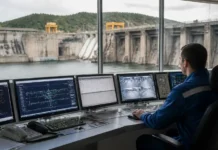
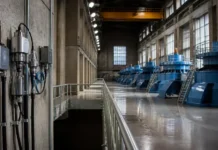
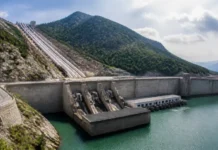
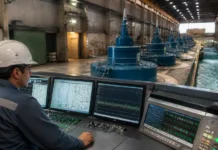








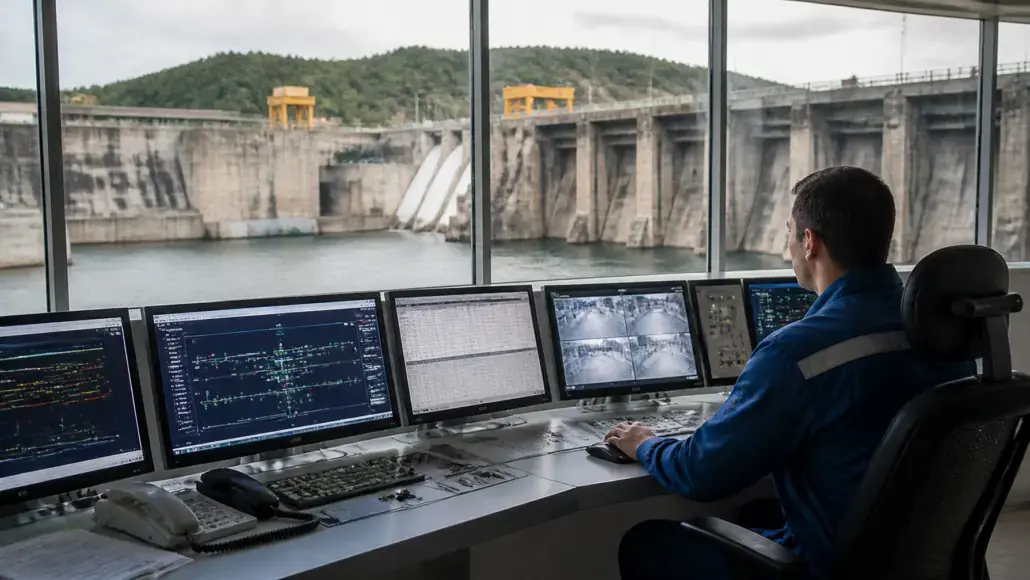

The contemporary management of hydroelectric power generation is increasingly centered on the deployment of integrated digital control platforms that unify disparate operational data into a single, cohesive environment. Historically, hydropower plants functioned as a collection of isolated systems, with turbines, spillways, and electrical switchyards often managed through separate and unconnected control interfaces. This siloed approach created significant challenges for optimizing overall plant performance and for making rapid, data-driven decisions. The emergence of modern digital platforms has fundamentally changed this dynamic, providing a centralized “brain” that coordinates every aspect of the generation process. By integrating real-time data from across the facility, these platforms enable a more holistic and efficient approach to power production.
At its core, a digital control platform serves as a sophisticated middleware layer that bridges the gap between physical operational technology and high-level management software. It collects data from thousands of sensors, controllers, and external sources, such as weather forecasts and market price signals. This information is then processed and presented through a unified interface, allowing operators to monitor and manage the entire facility from a single dashboard. The ability to visualize the complex interactions between hydraulic flow, mechanical stress, and electrical output in real-time is a critical advantage in today’s fast-moving energy markets. This level of connectivity ensures that every operational decision is backed by a comprehensive and up-to-date understanding of the plant’s current state.
The implementation of these platforms also facilitates the transition toward more autonomous and remote operations. By providing a secure and reliable way to monitor and control plant functions from a distance, digital control platforms enable the centralized management of multiple facilities. This is particularly valuable for companies that operate a portfolio of smaller hydropower plants in remote or geographically dispersed locations. Centralizing expertise in a single control hub allows for more efficient staffing and for the more rapid identification and resolution of technical issues across the entire fleet. The result is a more resilient and cost-effective operational model that maximizes the value of hydroelectric assets.
Technical Architecture and System Integration
The architecture of modern digital control platforms is designed for high availability, scalability, and security. Most systems utilize a distributed service model, where different functions, such as data acquisition, analytical processing, and user visualization, are handled by separate but interconnected modules. This modular approach ensures that the system can be easily expanded as new sensors or control units are added to the plant. Furthermore, the use of open communication standards allows for the seamless integration of equipment from different manufacturers, preventing vendor lock-in and allowing operators to choose the best technical solutions for their specific needs. This flexibility is a key requirement for the long-term modernization of the hydropower industry.
Data integration is the most significant technical challenge in building a functional digital control platform. Information must be collected from a wide variety of sources, each with its own data format, sampling rate, and communication protocol. The platform must be able to ingest this data, clean and normalize it, and store it in a way that allows for rapid retrieval and analysis. This often involves the use of high-performance time-series databases that are specifically designed to handle the massive volume of data generated by industrial sensor networks. The integrity and accuracy of this data foundation are paramount, as they underpin all the analytical and control functions of the platform.
Furthermore, the platforms are increasingly incorporating edge computing capabilities to improve the speed and reliability of the control response. By processing time-sensitive data at the edge of the network, closer to the physical equipment, the system can initiate critical control actions without the latency inherent in cloud-based processing. This is particularly important for tasks such as frequency regulation or emergency shutdowns, where every millisecond counts. Digital Twin Technology Advancing Hydropower Plant Simulation is a closely related field that benefits from this high-speed data integration, as it allows the virtual model to remain perfectly synchronized with the physical asset. The combination of edge and cloud computing creates a robust and responsive control environment that can adapt to the most demanding operational requirements.
Optimization of Plant Performance and Resource Management
The primary goal of integrated digital control platforms is the optimization of the generation process to maximize energy yield and financial returns. This involves more than just keeping the turbines running; it requires the continuous adjustment of operational parameters to align with changing hydrological conditions and market demands. The platform uses advanced algorithms to determine the most efficient distribution of load among multiple units, taking into account the specific efficiency curves and maintenance states of each turbine. This level of precision in resource management ensures that the plant extracts the maximum possible energy from every cubic meter of water released.
Beyond immediate power generation, these platforms play a critical role in long-term asset management. By tracking the cumulative stress and wear on every component, the system can project future maintenance needs and support data-driven investment decisions. For instance, if the platform identifies that a particular unit is experiencing higher-than-expected wear at certain power levels, the operator can adjust its dispatch strategy to prolong its service life. This proactive approach to asset management reduces the total cost of ownership and ensures that the facility remains a reliable provider of clean energy for decades to come. The ability to justify infrastructure upgrades with detailed historical performance data also facilitates the acquisition of financing and regulatory approvals.
- Centralized Monitoring: Unifying data from turbines, sensors, and external sources into a single management interface.
- Real-time Optimization: Adjusting operational parameters to maximize efficiency and respond to grid signals.
- Asset Lifecycle Management: Tracking component health and stress to optimize maintenance and long-term planning.
- Remote Operation: Enabling the secure and efficient management of multiple plants from a central location.
Additionally, the integration of environmental and safety data into the control platform ensures that the plant operates within its regulatory and social mandates. Operators can monitor downstream water levels, water quality, and structural health in real-time, ensuring that any deviations from safe or legal limits are immediately addressed. This transparency builds trust with regulators and local communities, ensuring the continued social license to operate these large-scale pieces of infrastructure. The ability to demonstrate a commitment to both operational excellence and environmental stewardship is a key feature of modern B2B power generation management.
Cybersecurity and Operational Resilience
As hydropower plants become more interconnected through digital control platforms, the importance of cybersecurity cannot be overstated. These platforms must be protected by multiple layers of defense to prevent unauthorized access and to ensure the integrity of the control signals. This involves the use of advanced encryption, secure authentication methods, and continuous network monitoring to detect and respond to potential threats. The industry follows a “defense-in-depth” strategy, where security is integrated into every level of the system, from the physical hardware to the high-level software applications. This rigorous approach to security is essential for protecting critical national infrastructure and for ensuring the continuous availability of power.
Operational resilience also involves the use of redundant architectures and fail-safe protocols. If the primary control platform experience a failure, the system must be able to transition to a backup unit or a safe manual mode without interrupting power generation or compromising safety. This requires the continuous synchronization of data between primary and secondary systems and the regular testing of emergency procedures. The goal is to create a control environment that is as resilient as the physical assets it manages, ensuring that the plant can continue to operate through technical glitches or cyber incidents. This focus on reliability is a fundamental requirement for any platform used in the power generation industry.
The management of data privacy and access control is another key aspect of operational security. Digital control platforms must be able to manage the access rights of hundreds of different users, from on-site technicians to remote analysts and regulatory inspectors. This requires a robust identity management system that ensures that each user has access only to the data and control functions needed for their specific role. The ability to track and log every action taken within the platform provides a clear audit trail, which is essential for accountability and for investigating any operational anomalies. This level of governance is a standard requirement for professional B2B software environments.
Future Perspectives on Digital Connectivity in Hydropower
The future of digital control platforms in the hydropower sector will be shaped by the increasing application of artificial intelligence and the expansion of the “Industrial Internet of Things” (IIoT). Machine learning algorithms will be used to identify complex patterns in operational data, leading to even more accurate predictive maintenance and more efficient generation strategies. These systems will be able to learn from the collective experience of many different plants, gradually refining their understanding of how to optimize hydroelectric generation in a wide range of conditions. This transition toward “cognitive” control platforms represents the next frontier in the digitalization of the power industry.
The integration of these platforms with the wider “smart grid” will also create new opportunities for value creation and grid stability. By sharing real-time data on generation capacity and flexibility with grid operators, hydropower plants can support the more effective integration of variable renewable energy sources like wind and solar. The digital control platform will serve as the technical interface for this collaboration, providing the data and control capabilities needed to balance the energy system of the future. As the global energy transition accelerates, the role of these platforms in providing a stable and reliable foundation for the clean energy revolution will only grow in importance.
In conclusion, the deployment of integrated digital control platforms is a transformative step for the hydropower industry. By unifying operational data and providing a centralized environment for monitoring and optimization, these platforms enable a more efficient, safe, and resilient approach to power generation. The continuous modernization of these assets through digital technology is a key priority for power producers worldwide, ensuring that the hydropower sector remains a cornerstone of a sustainable energy future. As technological innovation continues to drive the industry forward, the further refinement of these control platforms will be essential for meeting the challenges of a rapidly changing energy landscape.