



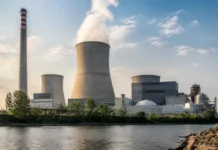
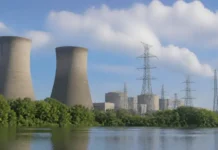
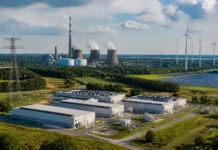



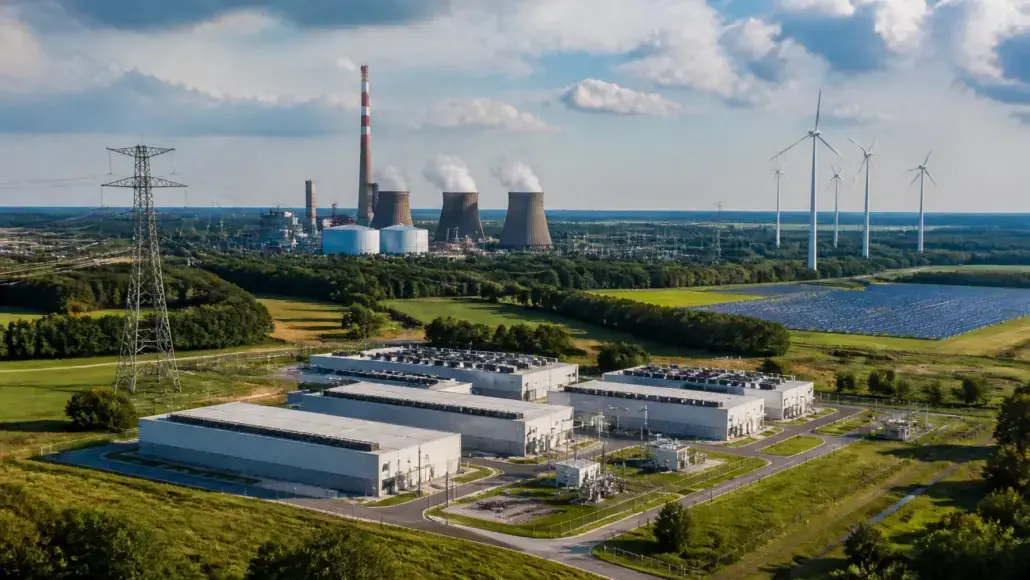

Lithuania plans to establish seven energy islands and build about 10 new power plants by 2033 to strengthen its electricity system against natural disasters, sabotage and other emergencies. The programme will combine upgrades to existing generation facilities, battery storage and new flexible power generation capacity.
The initiative is being led by Litgrid, Lithuania’s electricity transmission system operator. Its chief executive, Andrius Šemeškevičius, said the plans respond to an increase in extreme weather events causing power outages and growing geopolitical threats.
“Energy islands are electricity system regions capable of operating independently when the main 330-kilovolt electricity transmission network is unavailable. This can happen because of natural disasters, sabotage or other emergency situations,” Šemeškevičius said.
The seven planned energy islands will cover the Vilnius, Kaunas, Klaipėda-Mažeikiai, Panevėžys-Šiauliai, Alytus, Jurbarkas and Utena regions. Each will be designed to maintain electricity supplies independently if the main regional transmission network becomes
unavailable.
During isolated operation, electricity distribution will follow a priority system. Emergency services and hospitals will receive power first, followed by households, while businesses will have the lowest priority.
Litgrid estimates that households could receive electricity for at least eight hours a day under the worst-case scenario. However, favourable weather conditions could allow an energy island to maintain supplies around the clock through solar and wind generation.
Ten New Power Plants to Provide 800 MW of Capacity
The Energy Islands programme includes approximately 10 new power plants with a combined capacity of 800 megawatts. Their construction is planned across Lithuania by 2033.
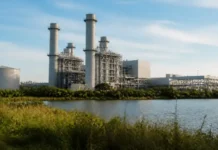
The facilities will need to meet technical requirements that include the ability to start operating within 30 minutes. Individual plants are expected to have capacities ranging from 50 MW to 100 MW.
Litgrid will organise competitive tenders using a technology-neutral approach. Successful bidders will have five years to install the required flexible generation capacity and will then provide isolated-operation services for 15 years.
Private investors will finance and build the facilities, while Litgrid will purchase their capacity to secure isolated-operation services. If the required legislative and regulatory changes are approved, the first auctions are expected to take place in 2027.
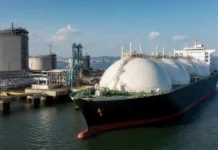
The technology-neutral approach allows different generation technologies to participate. Šemeškevičius said gas-fired plants could currently be the most popular option because of their ability to start quickly. However, hydrogen, biomethane and liquid-fuel power plants could also be considered.
Under normal operating conditions, the facilities will be able to sell generated electricity on the market when commercially viable. They may also provide electricity balancing, power generation and heat production services.
The private sector is expected to invest approximately €880 million in constructing the 10 plants. Litgrid estimates that the new services will increase electricity transmission tariffs by 0.67 cent per kilowatt-hour after 2033. The additional flexible generation capacity is also expected to help reduce peak electricity prices and average wholesale market prices.
First Four Energy Islands Targeted for 2028
Although the complete Energy Islands programme is scheduled to become operational by 2033, Lithuania aims to bring the first four regions into operation by 2028. These will cover Vilnius, Kaunas, Panevėžys-Šiauliai and Klaipėda.
The initial phase will involve upgrading selected existing power plants to improve their ability to maintain electricity supplies during emergencies. This would allow the four regions to operate independently, although they would not initially function at full capacity.
Litgrid has identified several implementation challenges, including the need for regulatory approval, legislative amendments and sufficient private-sector investment. Community concerns about the construction of power plants near residential areas could also affect project development.
“The legislation will have to be amended, everything will need to be coordinated with the National Energy Regulatory Council, and there will need to be interest from market participants. Of course, building power plants can also pose challenges. Some communities may not want these facilities in their immediate vicinity,” Šemeškevičius said.
Litgrid Opens Consultation on Isolated-Operation Services
Litgrid is launching a public consultation on its proposed concept for isolated-operation services. Market participants are being invited to review the proposed service conditions and technical requirements and submit their suggestions.
The consultation will remain open until December 10. A public presentation of the concept is scheduled for November 25, while an updated version is provisionally expected to be published in mid-January.
The programme’s implementation will depend on the completion of the planned generation capacity, upgrades to existing facilities and the establishment of the regulatory and commercial arrangements required for isolated operation. Its full implementation is targeted for 2033.