


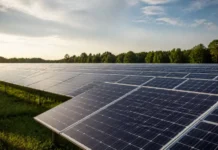
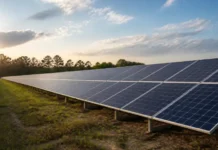
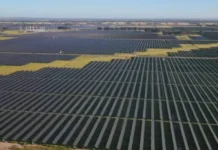
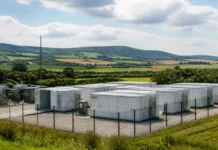
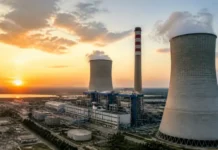
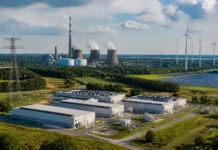
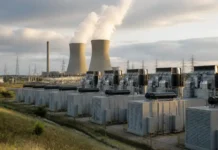

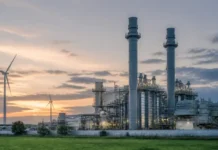

Dangote Industries Limited is considering a 10,000-megawatt (MW) power generation programme across Africa as part of an expanded investment programme under its Vision 2030. The group plans to increase its investment ambition on the continent from $50 billion to about $70 billion, according to its President and Chief Executive, Aliko Dangote.
Speaking to creative industry stakeholders from Northern Nigeria, including content creators, journalists, bloggers, entertainers and Kannywood stars, Dangote identified reliable electricity as an essential requirement for industrial expansion, job creation and business growth.
He said inadequate electricity supply remained a major obstacle for small and medium-sized enterprises (SMEs), particularly businesses that rely on petrol and diesel generators. The cost of generating their own electricity makes it difficult for such businesses to remain profitable.
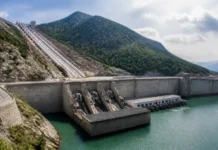
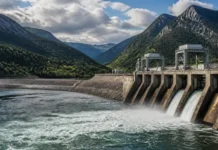
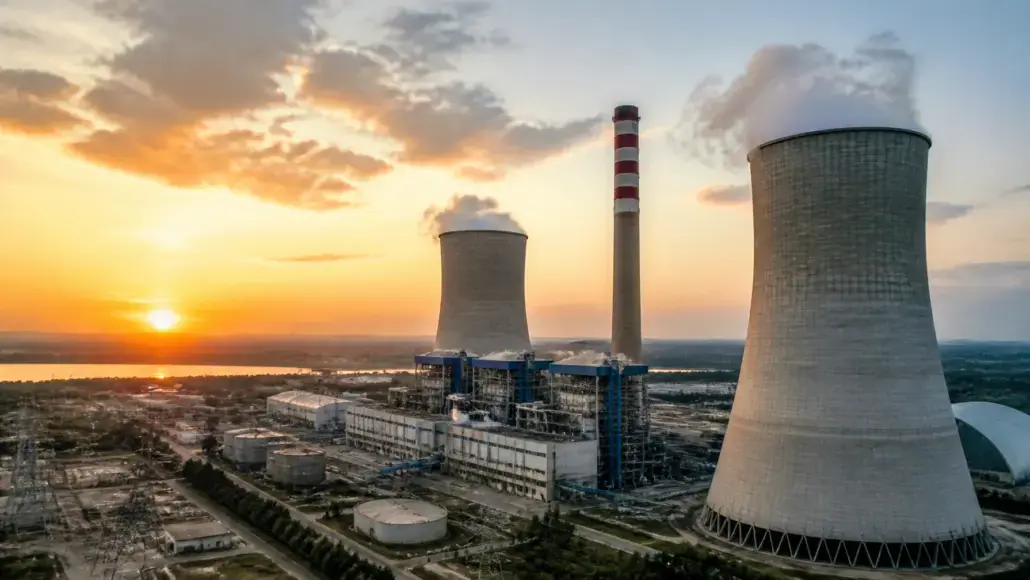
The proposed Dangote power generation plan includes a potential 10,000 MW programme across Africa, which could include Nigeria. This would be separate from the expansion of electricity generation capacity dedicated to the group’s own operations.
Captive Power Capacity Expected to Reach 5,000MW
Dangote said the group currently generates almost 1,500 MW of electricity for its operations. Under Vision 2030, this captive generation capacity could increase to between 4,500 MW and 5,000 MW.
“The expansion of captive capacity forms a separate part of the Dangote power generation plan, alongside the proposed 10,000 MW programme across Africa.”
“Across the group, we currently have almost 1,500 megawatts. By the time we complete Vision 2030, that could rise to between 4,500 and 5,000 megawatts.”
He distinguished this planned expansion of captive power from the separate proposal to intervene in electricity generation across Africa.
“That is captive power, electricity for our own operations. Separately, part of the vision is to intervene in power generation with 10,000 megawatts across Africa, potentially including Nigeria,” he said.
Electricity Supply and Industrial Development
Responding to a question about the economic decision that could most improve the lives of ordinary Nigerians, Dangote emphasised the importance of addressing the country’s electricity challenges. He said individual households and businesses adopting alternative power systems would not resolve the wider supply problem.
“Installing solar power for yourself does not mean the wider problem has been solved. Other people may not have that option.”
He also highlighted the role of SMEs in economic activity, explaining that high electricity costs affect their ability to operate profitably.
“A vibrant economy is driven by small and medium-sized enterprises. Large companies such as ours help sustain those businesses, but SMEs are essential to economic activity. When you generate electricity using diesel or petrol, it becomes very difficult to make money,” he explained.
Dangote said businesses had a responsibility to invest and create employment opportunities, while government should establish policies and conditions that support enterprise development.
“Government’s principal responsibility is to create an enabling environment through good policies. With the right policies, businesses can invest and create jobs,” he said.
Vision 2030 Emphasises African Production and Investment
Dangote also identified agriculture and solid minerals as sectors with significant potential, particularly in Northern Nigeria. He stressed the importance of processing raw materials locally rather than exporting them and purchasing finished products at higher prices.
He said infrastructure investment, including the development of ports, could help producers access markets and support the export of processed products.
Explaining the broader objective of the group’s investment ambition, Dangote said African businesses should take greater responsibility for addressing infrastructure constraints that discourage investment.
“It is not only about us; it is about Nigeria and the African continent,” he said. “We should not simply export raw materials and then buy back the processed products at many times the price. That is the pattern we want to change. Without production, we will continue to face economic difficulties. We must build a productive economy.”