





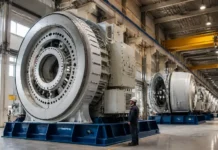



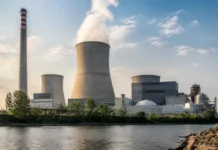
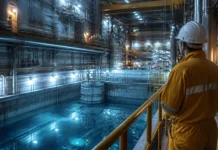
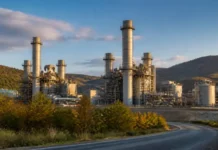
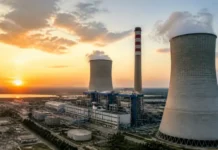
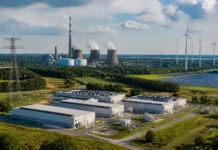
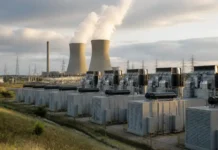




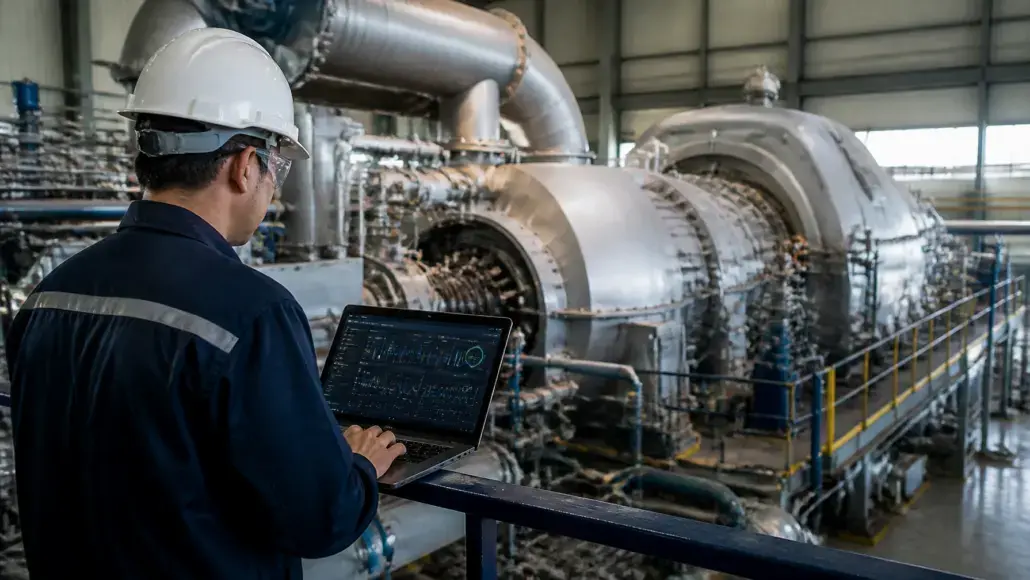

Steam turbines and gas turbines carry the commercial weight of every thermal power station. Small shifts in internal efficiency translate directly into fuel burn, and across a full operating year those shifts are measured in millions. The traditional response, a scheduled performance test conducted once or twice a year, gives engineers a snapshot that ages quickly. Between tests, degradation accumulates quietly: stage fouling, gland seal wear, valve leakage and condenser fouling each take their toll long before the next test reveals the cumulative effect. AI-based turbine performance monitoring closes this gap by turning the thousands of measurements already collected by the plant control system into a continuous, calibrated view of turbine health. For operators facing tight dispatch margins, volatile fuel prices and decarbonisation commitments, the ability to detect and correct efficiency loss within days rather than months has become a practical operational edge rather than a technical novelty.
Why Conventional Turbine Monitoring Falls Short
Most thermal plants still rely on three practices that were designed for a slower operating rhythm. Acceptance and routine performance tests, usually run to ASME PTC or IEC test codes, deliver precise results but only at the moment of the test, and they require stable operating conditions that flexible units rarely enjoy. Vibration monitoring protects against catastrophic mechanical failure, yet a turbine can vibrate within limits for years while losing measurable stage efficiency. Planned inspections, typically aligned to major overhaul windows, reveal the physical state of the machine but arrive long after the economic damage has accumulated.
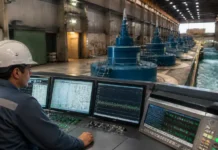
The deeper weakness is institutional rather than technical. Modern control systems and historians log enormous volumes of data: first and second stage pressures, extraction steam temperatures, gland seal flows, valve positions, condenser vacuum and dozens of related signals. Few plants retain the specialist performance engineering capacity to interrogate that data continuously, so it sits largely unused. When an efficiency problem does surface, often as an unexplained rise in specific fuel consumption, engineers must reconstruct months of operating history manually. By then, the loss has already been absorbed into fuel invoices and generation plans. The information needed to act early was present all along; the missing element was an automated way to interpret it.
Cost is no longer the barrier it once was, either. Turbine models train on data the plant already records, so the incremental investment is mostly software, integration effort and engineering time rather than new instrumentation. Suppliers have packaged the capability into fleet platforms offered alongside control system upgrades, and independent analytics providers serve utilities that prefer vendor-neutral tools. As a result, the decision has shifted from whether the technology can pay for itself to how quickly a station can build the data hygiene and workflows that make the analytics dependable. That shift matters for older units in particular, where every recoverable fraction of efficiency carries proportionally greater weight in the plant’s competitive position.
How AI Models Detect Early Efficiency Loss
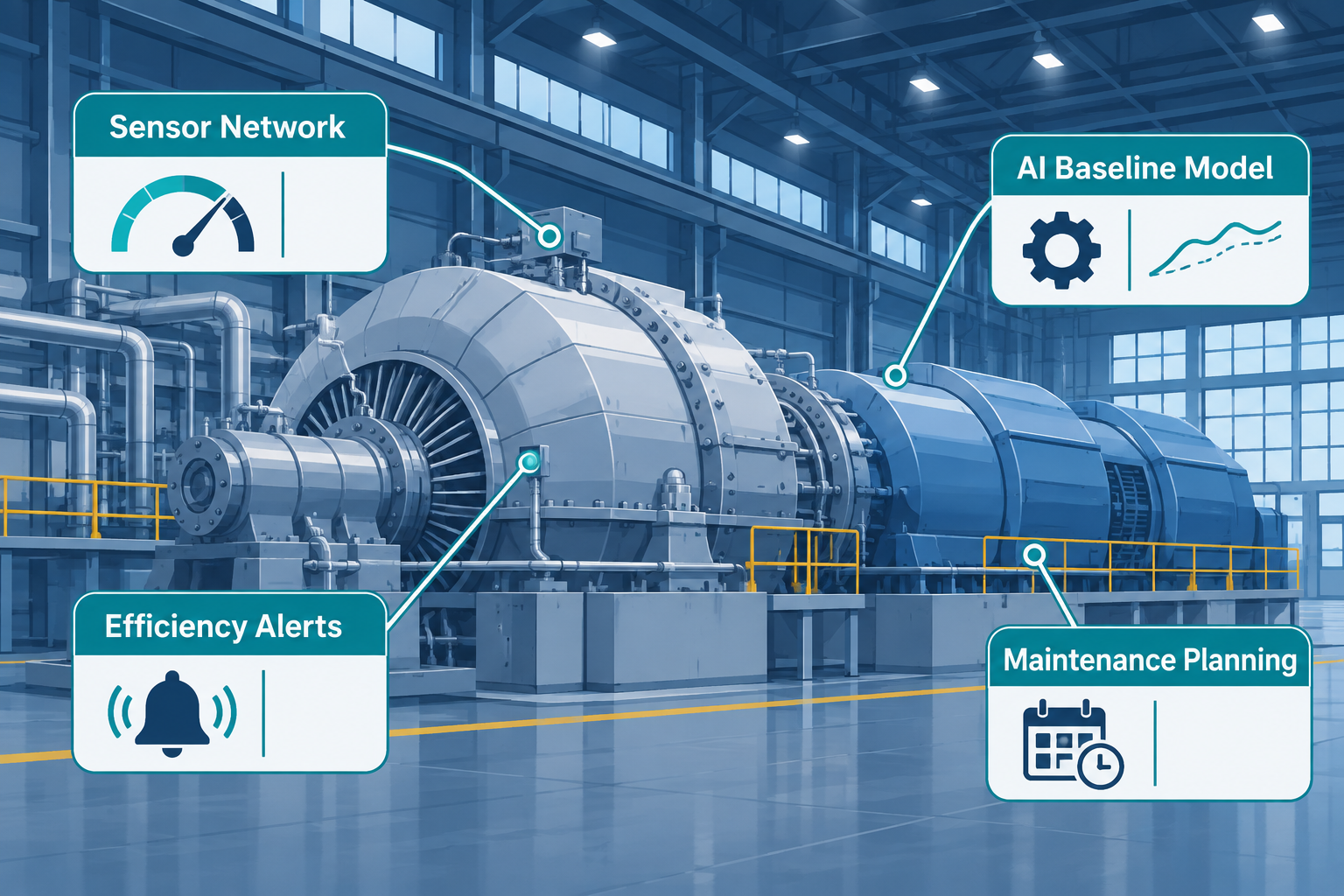
AI-based turbine performance monitoring addresses that gap by learning what a healthy turbine looks like across its entire operating envelope. Machine learning models are trained on historical data spanning the full load range, seasonal conditions and fuel variations, so the model understands that expected behaviour at 40 percent load differs from expected behaviour at full load. Once deployed, the model receives live plant data and predicts the values each measurement should show for the current operating state. The differences between predicted and actual values, known as residuals, become the core diagnostic signal.
This multivariate approach catches problems that single-parameter alarms miss. A gradual drift in the ratio between stage pressures and steam flow may look harmless when each tag is viewed in isolation, but the combined pattern points clearly to a specific internal change. Because the model evaluates dozens of correlated signals simultaneously, it distinguishes genuine degradation from benign variation in fuel quality or ambient conditions, sharply reducing false alarms. Plants that have adopted this method typically report detecting efficiency deviations weeks before they would have appeared in conventional reporting, which converts maintenance planning from reactive repair into scheduled, cost-controlled intervention.
Diagnosing the Root Causes of Performance Decline
Detection alone has limited value unless it leads to a physical explanation. Modern systems therefore classify residual patterns against known fault signatures. A decline in high pressure turbine efficiency alongside rising gland sealing steam demand usually indicates seal wear or blade deposits. A widening gap between first stage pressure and expected pressure at a given flow points to nozzle blockage or wear. Falling low pressure turbine effective efficiency combined with rising condenser backpressure isolates the loss to the exhaust end or the condenser rather than the boiler. Valve point testing data, collected continuously through AI-driven valve sweep routines, exposes leakage in governing valves that would otherwise remain hidden during steady operation.
Quantifying these findings in commercial terms is usually the decisive step for management, and many operators pair the turbine model with AI-supported heat rate monitoring so that a detected efficiency loss can be translated directly into additional fuel cost per megawatt hour. That translation changes the conversation. A three-tenths of a percent efficiency decline on a 500 megawatt unit is an abstract figure, but expressed as annual excess fuel expenditure, it justifies a targeted intervention during the next available window rather than waiting for the annual overhaul.
Operational and Commercial Benefits
Utilities that have embedded turbine performance monitoring into daily operations report gains across several dimensions of the business:
- Fuel savings from earlier correction of efficiency losses, with typical improvements in the range of one to three percent of specific heat consumption depending on the age and condition of the fleet.
- Higher plant availability, because developing faults are scheduled into planned windows instead of forcing unplanned outages during high demand periods.
- Better capital allocation, since condition-based overhaul scope replaces fixed scope, avoiding both premature work and expensive surprises discovered mid-outage.
- Extended component life, as operating regimes that accelerate degradation, such as excessive gland sealing steam or sustained low vacuum operation, are identified and corrected.
- Credible emissions reporting, because measured efficiency feeds directly into fuel consumption and therefore into carbon intensity per megawatt hour.
Independent assessments of fleet programmes add an important nuance: the savings profile is uneven. Units recently overhauled with clean internals show smaller immediate gains, while units carrying years of accumulated degradation often yield the largest first-year recoveries as long-standing losses are identified and corrected. Analysts therefore recommend sequencing deployments by expected recovery rather than by station age, starting where the diagnostics have the most to find. This portfolio view also helps utilities set realistic internal expectations, since a programme promoted on headline percentages will disappoint if measured against units with little recoverable loss, whereas one promoted on verified, station-specific savings compounds credibility with each reported result.
Taken together, these benefits explain why the technology has moved from pilot projects at a few flagship stations to standard practice across large generating fleets. The investment case rests less on dramatic single gains than on the compounding effect of catching many small losses early, year after year.
Deployment Considerations for Plant Operators
Successful programmes share a set of practical disciplines. Data quality comes first: models trained on drifting or mis-calibrated sensors will confidently report nonsense, so tag validation and instrument health monitoring must run alongside the analytics. Coverage of the operating envelope matters equally, because a model trained only on baseload data will misread cycling operation, which is precisely where modern units spend much of their time. Operators also need a clear process for model refresh after major overhauls, since the machine that emerges from an outage with new internals no longer matches the pre-outage baseline.
Integration into daily workflows determines whether the technology changes behaviour. Alerts must route to performance and operations engineers with enough diagnostic detail to act on, not to a dashboard that nobody opens between shift changes. Cybersecurity review is essential whenever plant data leaves the control network for cloud or enterprise analytics platforms, and utilities increasingly prefer architectures that keep critical models inside the plant perimeter. Finally, sustained value depends on people: the most effective deployments pair the software with a small performance engineering team that verifies findings, tracks validated savings and maintains the institutional memory of what each anomaly turned out to be.
Turbine Intelligence in a Flexible Generation Future
The operating environment for thermal generation continues to harden. Growing volumes of renewable output force thermal units to ramp frequently, run at part load and start and stop more often than their designers imagined. Each of these duties accelerates the wear mechanisms that erode turbine efficiency, from thermal cycling stress to increased deposit formation at low steam velocities. In that context, continuous turbine performance monitoring shifts from a cost-saving tool to a precondition for running flexible thermal assets economically at all. Utilities are extending the same models across entire fleets, benchmarking sister units against one another and transferring diagnostic knowledge between stations. The plants that treat turbine data as a managed asset, with governance, skilled owners and verified savings, are positioned to keep thermal generation profitable through a transition that leaves little margin for unnoticed inefficiency.