



















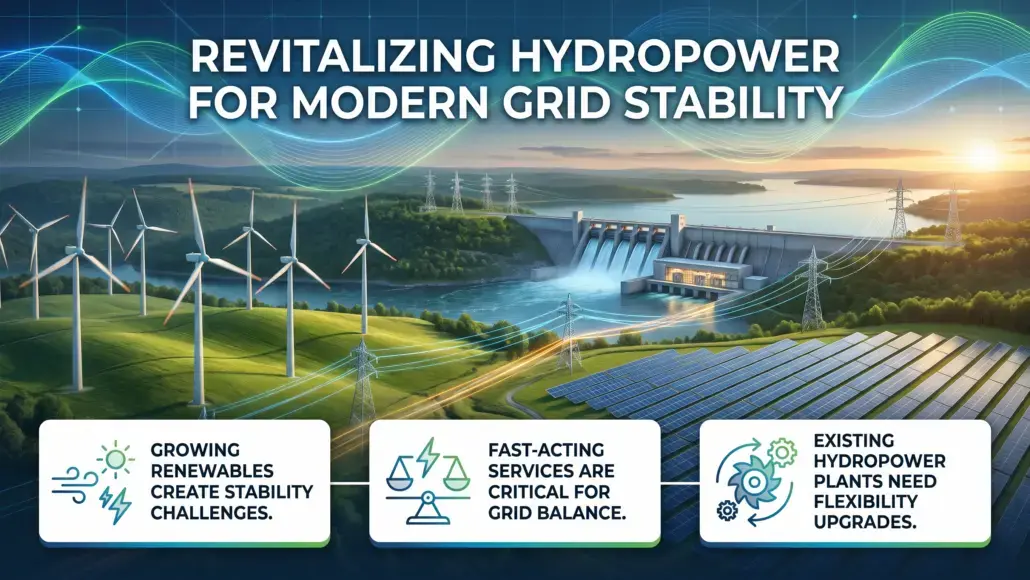

Modern electricity grids face unprecedented stability challenges due to the rapid expansion of non-dispatchable renewable energy sources. As wind and solar capacity increases, the requirement for fast acting balancing services becomes critical for maintaining system frequency and voltage stability. Hydropower facilities have traditionally served as the backbone of grid stability, yet many existing plants were designed for base load operation or slow load following. The current technical environment necessitates significant hydropower flexibility upgrades to enable assets to operate across a wider range of outputs and respond more dynamically to grid fluctuations. These technical enhancements are not merely operational adjustments but involve deep mechanical and electrical modifications to turbine-generator sets, control systems, and water conveyance structures. By improving the ability of a plant to start, stop, and ramp quickly, operators can capture higher value in ancillary service markets while ensuring the long term structural integrity of their assets.
Technical enhancements often begin with the optimization of the turbine runners and wicket gate mechanisms. Older designs were typically optimized for a narrow peak efficiency point, meaning that operating at low loads or high loads resulted in cavitation, vibration, and accelerated wear. Modern computational fluid dynamics allow engineers to redesign runners that maintain hydraulic stability across a much broader operating envelope. This allows for frequent load changes without the mechanical penalties associated with legacy designs. Additionally, these upgrades often include the installation of advanced aeration systems and pressure relief valves to manage the hydraulic transients that occur during rapid ramping. When a plant can transition from minimum stable load to full capacity in a matter of seconds, it provides the grid operator with a powerful tool for counteracting the sudden drop in solar output during cloud cover or the loss of wind production.
Technical Requirements for Rapid Frequency Regulation
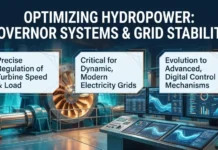
The integration of advanced control logic represents a primary component of hydropower flexibility upgrades aimed at frequency support. Modern digital governors replace aging mechanical hydraulic systems, providing the precision necessary for primary frequency control. These systems monitor grid frequency in real time and adjust turbine output almost instantaneously to correct deviations. The transition to digital systems allows for the implementation of sophisticated algorithms that can predict hydraulic behavior and compensate for water hammer effects during rapid gate movements. This level of precision is essential for participating in secondary frequency regulation markets, where grid operators dispatch signals every few seconds. Without these control upgrades, legacy plants struggle to meet the strict response time and accuracy requirements set by transmission system operators.
In addition to control logic, the mechanical stress on components during frequency regulation must be carefully managed. Frequent movement of the wicket gates and blades increases the wear on bushings, bearings, and seals. Upgrading these components to use self-lubricating, high-strength materials reduces maintenance intervals and prevents operational failures. The electrical side of the plant also requires attention, specifically the excitation systems and voltage regulators. High speed excitation systems allow the generator to respond quickly to reactive power demands, which is vital for maintaining voltage stability in regions with high concentrations of inverter-based resources. By synchronizing the mechanical and electrical responses, hydropower flexibility upgrades create a unified system capable of providing comprehensive grid support.
Mechanical Adaptation to Non-Stationary Operating Modes
Operating a hydropower plant in a highly flexible manner introduces significant fatigue challenges that were rarely considered in original plant designs. Conventional units were built for steady state operation, but modern requirements often demand multiple starts and stops per day. Each start stop cycle subjects the turbine runner, shaft, and generator rotor to significant thermal and mechanical cycling. hydropower flexibility upgrades must therefore include structural reinforcements and enhanced monitoring systems to detect the onset of fatigue cracking or material degradation. Advanced stress analysis helps identify critical zones where reinforcement is necessary, ensuring that the increased operational intensity does not lead to catastrophic failure.
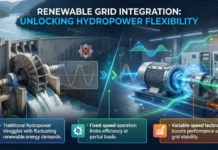
The water conveyance system, including penstocks and surge tanks, also faces increased pressure during flexible operations. Rapid changes in water flow create pressure surges that can damage aging infrastructure. Upgrades in this area might involve the installation of new surge shafts or the reinforcement of penstock sections with high-strength steel liners. In some cases, the implementation of variable speed technology allows the unit to operate at off-design speeds, reducing the hydraulic pressure on the system while maintaining efficiency. This capability is particularly useful for pumped storage plants, where the ability to adjust power consumption in pumping mode adds a new dimension to grid balancing. These mechanical adaptations ensure that the physical asset can handle the rigors of the modern power market.
Economic Implications of Ancillary Service Participation
The financial justification for systemic upgrades is increasingly tied to the revenue generated from ancillary services rather than simple energy production. As the wholesale price of energy fluctuates, often hitting zero or negative values during periods of high renewable output, the value of flexibility increases. Grid operators are willing to pay a premium for assets that can provide spinning reserves, black start capabilities, and frequency regulation. By investing in flexibility, plant owners can pivot their business models to focus on these high-margin services. This shift requires a sophisticated understanding of market dynamics and the ability to bid assets into multiple markets simultaneously.
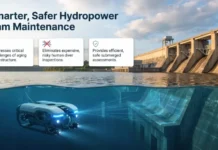
However, the cost of these upgrades must be weighed against the expected increase in maintenance expenses. More frequent cycling naturally leads to shorter component lifespans. Successful operators use predictive maintenance tools to monitor the health of their equipment and schedule interventions before failures occur. This data-driven approach allows for the optimization of lifecycle costs, ensuring that the additional revenue from grid services is not entirely consumed by repair bills. The economic analysis of these systemic improvements also considers the long term value of asset life extension. By modernizing a plant, owners can secure its place in the energy mix for several more decades, providing a stable return on investment in an otherwise volatile sector.
Strategic Asset Management in Volatile Power Markets
Effective asset management in the current power generation sector requires a holistic view of the plant as a flexible energy storage and regulation tool. These modernization efforts are a strategic necessity for remaining competitive as the energy transition accelerates. This involves not only technical improvements but also organizational shifts in how plants are operated and maintained. Training staff to manage digital control systems and interpret complex diagnostic data is just as important as the physical hardware changes. The integration of data from various plant systems into a centralized management platform allows for better decision making regarding operational limits and maintenance priorities. Beyond the control room, the shift toward higher flexibility requires a rethinking of physical inspections. Increased thermal and mechanical stress means that traditional time based maintenance schedules are no longer sufficient. Instead, condition based monitoring becomes the standard, requiring a sophisticated suite of sensors and analytical tools to predict when a component might fail due to the increased workload of providing grid services.
Risk management is another critical aspect of strategic asset management. As plants operate closer to their design limits to provide grid services, the risk of unplanned outages increases. Diversifying the service portfolio and maintaining high levels of availability are key strategies for mitigating these risks. Operators must also stay abreast of changing grid codes and regulatory requirements, which can dictate the technical specifications for future upgrades. By taking a proactive approach to modernization, hydropower owners can ensure their facilities remain the primary providers of grid stability, effectively balancing the intermittency of the broader renewable energy portfolio. The ongoing evolution of the power market will continue to reward flexibility, making these upgrades a cornerstone of sustainable hydropower operations.
In the broader context of the power generation industry, the role of hydropower is shifting from a bulk energy provider to a specialized service provider. The technical complexity of modern grid balancing requires a level of agility that only modernized hydro assets can provide. As the industry moves toward a carbon neutral future, the synergy between intermittent renewables and flexible hydropower will be the defining characteristic of a resilient energy system. Investing in these flexible enhancements is therefore an investment in the stability of the entire electrical infrastructure, providing the necessary buffer to accommodate the fluctuations of a modern, green grid. The continuous refinement of turbine designs, control algorithms, and structural monitoring will ensure that hydropower remains a vital component of the energy mix for generations to come. Additionally, the environmental impact of flexible operations must be considered, particularly concerning the fluctuating water levels downstream. Advanced modeling helps operators balance the needs of the grid with the ecological health of the river systems, ensuring that power generation remains a sustainable practice. This multifaceted approach to plant management, encompassing technical, economic, and environmental factors, defines the future of the industry in a renewables dominated world. Energy producers who embrace these changes will be best positioned to lead the transition toward a more resilient and flexible global power network.