











Events Date: 9

Grid Expansion In Germany To Support The Energy Transition

Note* - All images used are for editorial and illustrative purposes only and may not originate from the original news provider or associated company.

Subscribe

- Never miss a story with notifications

- Gain full access to our premium content

- Browse free from any location or device.

Media Packs

Expand Your Reach With Our Customized Solutions Empowering Your Campaigns To Maximize Your Reach & Drive Real Results!

– Access the Media Pack Now

– Book a Conference Call

Leave Message for Us to Get Back

Related stories

Hydrogen Infrastructure Driving Future Energy Growth

As the world shifts toward a low-carbon economy, hydrogen infrastructure for energy growth is emerging as a critical engine for industrial transformation. Through massive investments in clean fuel production, storage, and transport, hydrogen is poised to unlock new energy markets and provide a sustainable solution for the hardest-to-abate sectors.

Energy Storage Systems Supporting Utility Expansion

The rapid growth of global energy demand is driving a massive scale-up of utility infrastructure, where energy storage systems serve as the critical balancer. By providing essential services like grid stability and seamless renewable integration, these systems are enabling a flexible and reliable expansion of modern power networks.

Smart Energy Infrastructure Improving Grid Efficiency

The digital transformation of the power sector is being led by smart energy infrastructure efficiency, where data-driven insights and automation are redefining grid performance. By integrating digital monitoring and predictive operations, utilities are creating a more responsive, reliable, and efficient energy network for the modern age.
- Advertisement -

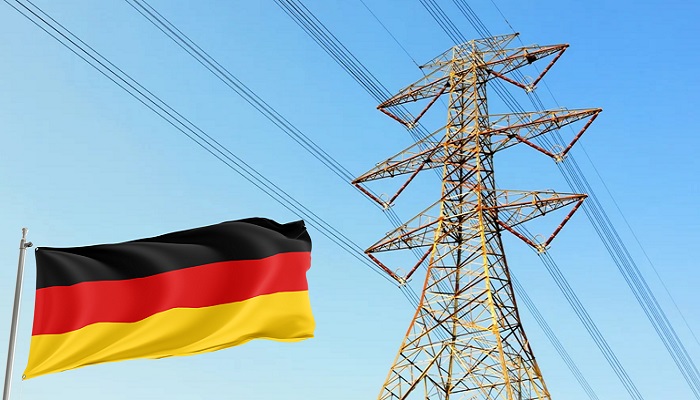
The German Federal Network Agency aims to expand the country’s grid by 4,400km before the end of 2025. This comes as the distribution system operators (DSOs) have released their first estimates for future electricity generation, consumption, and grid connections. To support the energy transition, the transmission grid in Germany needs a massive expansion of 14,000km of high-voltage lines.

The Federal Network Agency manages 7,400km of the total grid and plans to approve upgrades for 4,000km of transmission lines by 2025. By June of this year, planning approval processes for 440km of high-voltage lines have been completed, with an additional 2,800km expected to be issued by the end of 2024, reaching a total of 4,400km by mid-2025.

To facilitate network consumption management, the country has been divided into six planning regions: Nord, Mitte, Ost, West, Bayern, and Südwest. Each region has one or, at most, two network operators. Regional scenarios have been developed based on the plans of the transmission system operators (TSOs), with the DSOs describing the probable development of electricity generation and consumption within their respective regions. These scenarios are updated every two years and form the basis for individual DSOs’ network expansion plans, which will be published by April 30, 2024, and updated every two years thereafter.

The German Association for Energy and water companies (BDEW) announced these developments alongside the Federal Network Agency’s grid expansion plans. BDEW expects a significant increase in renewable energies, with their share of the electricity supply rising from around 50% to 80% over the next seven years. Photovoltaic systems’ nationwide installed capacity is projected to triple from 55GW to over 164GW by 2028, reaching almost 453GW in 2045.

The increase in renewable capacity will require better coordination and upgrading of the grid. The Federal Network Agency anticipates a significant rise in accepted permits from mid-2024, particularly for projects like SuedLink, a 750km HVDC link that will provide 4GW of transmission capacity and is set to be commissioned in 2028.

Furthermore, the rapid increase in electric cars and heat pumps will necessitate connecting these new producers, consumers, and storage facilities to the electricity distribution grid and integrating them intelligently into the electricity system. This will require substantial investments and the digitization of distribution grids. The German government is also emphasizing the installation of smart electricity meters to support energy efficiency and alleviate strain on the grid during this energy transition.

The need for intelligent integration of electricity generation and consumption in the future energy system will become more flexible and complex. Smart meters and digitization of the energy transition are seen as crucial components of this transformation.

Power Info Today brings together the global energy industry — from generation and transmission operators to utility executives and energy transition leaders — through trusted editorial, market intelligence, and digital engagement.

Our 2026 Media Pack offers integrated solutions to reach your audience:

  • Magazine & Digital Editions Showcase your brand within premium energy industry coverage read by executives and decision - makers worldwide.
  • Industry Insights & Reports Align with data - driven analysis, trend reports, and regional roundups across the global power and energy value chain.
  • Brand Authority & Credibility Position your company as a thought leader through expert commentary, interviews, and special features.

Latest stories

Related stories

Hydrogen Infrastructure Driving Future Energy Growth

As the world shifts toward a low-carbon economy, hydrogen infrastructure for energy growth is emerging as a critical engine for industrial transformation. Through massive investments in clean fuel production, storage, and transport, hydrogen is poised to unlock new energy markets and provide a sustainable solution for the hardest-to-abate sectors.

Energy Storage Systems Supporting Utility Expansion

The rapid growth of global energy demand is driving a massive scale-up of utility infrastructure, where energy storage systems serve as the critical balancer. By providing essential services like grid stability and seamless renewable integration, these systems are enabling a flexible and reliable expansion of modern power networks.

Smart Energy Infrastructure Improving Grid Efficiency

The digital transformation of the power sector is being led by smart energy infrastructure efficiency, where data-driven insights and automation are redefining grid performance. By integrating digital monitoring and predictive operations, utilities are creating a more responsive, reliable, and efficient energy network for the modern age.

Grid Modernization Driving Energy Infrastructure

Modern energy systems are undergoing a radical transformation as grid modernization becomes the cornerstone of infrastructure resilience. By integrating advanced digital monitoring, transmission upgrades, and smart grid technologies, utility providers are building a foundation for a reliable and decarbonized future.

Subscribe

- Never miss a story with notifications

- Gain full access to our premium content

- Browse free from any location or device.

Media Packs

Expand Your Reach With Our Customized Solutions Empowering Your Campaigns To Maximize Your Reach & Drive Real Results!

– Access the Media Pack Now

– Book a Conference Call

Leave Message for Us to Get Back

Translate »