


























Close
MCE 2026
World Hydrogen & Carbon Americas

Real Impact of Solar & Wind Cost Reductions on Energy Bills

Note* - All images used are for editorial and illustrative purposes only and may not originate from the original news provider or associated company.

Subscribe

- Never miss a story with notifications

- Gain full access to our premium content

- Browse free from any location or device.

Media Packs

Expand Your Reach With Our Customized Solutions Empowering Your Campaigns To Maximize Your Reach & Drive Real Results!

– Access the Media Pack Now

– Book a Conference Call

Leave Message for Us to Get Back

Related stories

Transformation of Power Distribution through Advanced Metering Infrastructure

The distribution level of the energy value chain is undergoing a fundamental redesign as utilities replace legacy equipment with intelligent monitoring systems that optimize flow and efficiency.

Strengthening Grid Reliability Through Advanced Metering Infrastructure

Grid stability and uptime are becoming increasingly critical as extreme weather events and fluctuating demand patterns challenge the resilience of traditional power systems.

The Role of Advanced Metering Infrastructure in Driving Smart Grid Growth

Modern energy systems are undergoing a radical transformation as digital communication layers integrate with traditional power hardware to facilitate a more responsive and scalable grid architecture.
- Advertisement -

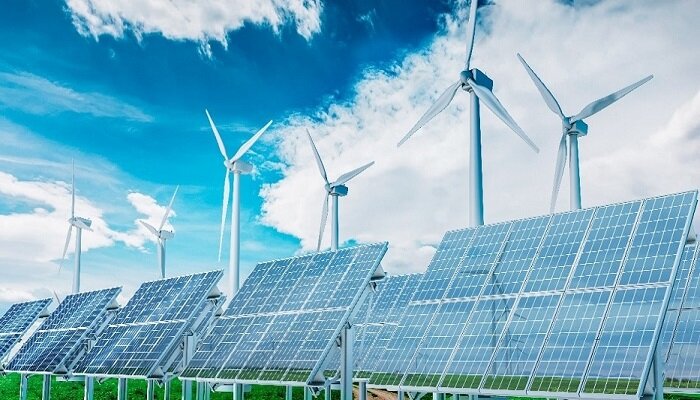
The decreasing costs of solar and wind power have heightened their importance as a safeguard against wholesale power price changes. Nonetheless, because of market dynamics and contract structures, American consumers don’t always experience reduced bills. This insight stems from a recent Lawrence Berkeley National Laboratory- LBNL study that quantified utility-scale solar and wind costs in the U.S. compared to wholesale market prices.

The study evaluated the net market value of solar and wind over time. This value is defined as the gap between the expense of replacing solar and wind energy by buying electricity in wholesale markets and the levelized cost of solar and wind electricity- LCOE.

With solar and wind LCOEs continually dropping and wholesale markets experiencing considerable volatility, especially in 2021 and 2022, the study revealed an improvement in the net market value of these renewable energy sources. For instance, in 2022, solar energy created a net value of $2.1 billion in the U.S., while wind energy contributed $100 million.

These findings suggest savings for buyers and the possibility of lowering consumer energy bills. However, the report indicated that whether end-users benefit from reduced bills depends on contractual structures and the buyer’s or customer’s sophistication.

In long-term power purchase agreements- PPAs with fixed prices, the hedge value of solar and wind, in the form of lower bills, is likely passed on to customers. Conversely, for fixed-price unbundled renewable energy certificates- RECs, consumers usually pay a premium, meaning they are less likely to experience the hedge value of solar and wind.

According to the LBNL report, the better economics of solar and wind are prompting some purchasers to reconsider their contracting methods to ensure that retail consumers, especially residential customers, capture more of the hedge value provided.

The report recommended that more electricity buyers should adopt contracting structures that allow the improved economics of solar and wind to benefit end consumers, such as physical and virtual PPAs and index-based REC contracts that offer hedge benefits when wholesale prices rise.

Latest stories

Related stories

Transformation of Power Distribution through Advanced Metering Infrastructure

The distribution level of the energy value chain is undergoing a fundamental redesign as utilities replace legacy equipment with intelligent monitoring systems that optimize flow and efficiency.

Strengthening Grid Reliability Through Advanced Metering Infrastructure

Grid stability and uptime are becoming increasingly critical as extreme weather events and fluctuating demand patterns challenge the resilience of traditional power systems.

The Role of Advanced Metering Infrastructure in Driving Smart Grid Growth

Modern energy systems are undergoing a radical transformation as digital communication layers integrate with traditional power hardware to facilitate a more responsive and scalable grid architecture.

Advanced Metering Infrastructure Powering Data Driven Utilities

The transition from analog management to digital intelligence is redefining the utility sector as data becomes the primary driver for operational excellence and strategic decision-making.

Subscribe

- Never miss a story with notifications

- Gain full access to our premium content

- Browse free from any location or device.

Media Packs

Expand Your Reach With Our Customized Solutions Empowering Your Campaigns To Maximize Your Reach & Drive Real Results!

– Access the Media Pack Now

– Book a Conference Call

Leave Message for Us to Get Back

Translate »