



















Events Date: 9

Singapore To Regulate Fossil-Fuel Power Station Pollution

Note* - All images used are for editorial and illustrative purposes only and may not originate from the original news provider or associated company.

Subscribe

- Never miss a story with notifications

- Gain full access to our premium content

- Browse free from any location or device.

Media Packs

Expand Your Reach With Our Customized Solutions Empowering Your Campaigns To Maximize Your Reach & Drive Real Results!

โ€“ Access the Media Pack Now

โ€“ Book a Conference Call

โ€“ Leave Message for Us to Get Back

Related stories

Busan Unveils Nuclear Industry Development Plan to 2030

The metropolitan government of Busan has officially announced a...

Nanoscale Light Upconversion Boosts Solar Cells, Says UNSW

Researchers at the University of New South Wales (UNSW)...

Reliability Testing Strengthening Power Electronics Life

In an era where electronic systems underpin critical infrastructure and transport, the rigor of validation processes has never been more important. This article explores how advanced reliability testing protocols and durability assessments are extending the operational lifespan of power electronics, ensuring resilience against harsh environmental stressors and complex mission profiles across global industries.
- Advertisement -

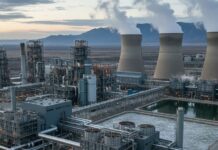
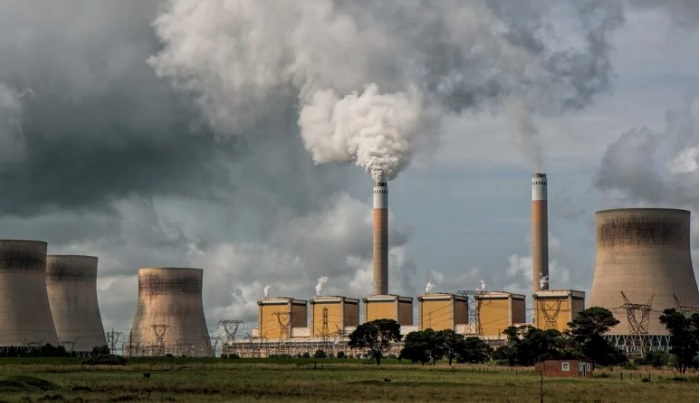
According to the minister, Singapore’s energy authority will introduce new emissions requirements for fossil fuel-fired power production units in 2023 for both new and repowered facilities.

The minister of state for the ministry of commerce and industry, Low Yen Ling,ย stated at the Singapore International Energy Week conference that the Energy Market Authority (EMA) will communicate with the industry in the upcoming months and will subsequently release information on the standards. The new regulations are a result of a statute the city-state approved last year that gave the EMA the authority to establish benchmarks for greenhouse gas emissions.

The action comes after Singapore announced plans to lower its 2030 carbon dioxide emissions target to 60 million tonnes (CO2). In addition, the city-state would increase the effectiveness of its power plants by mandating that all new generation units adopt the best-in-class technology currently available, according to Low, who did not specify the technology needed.

In order to improve energy security and transitions, Low also disclosed that Singapore and Japan have inked a memorandum of cooperation (MOC). To stimulate investments across the liquefied natural gas (LNG) value chain, explore potential to support LNG procurement, and draw on existing LNG connections to develop regional supply chains of low-emissions fuels, the memorandum will strengthen bilateral collaboration, according to Low.

A prior memorandum that connects the usage and support of natural gas supply chains with low-emission solutions including hydrogen, ammonia, and carbon capture, utilisation, and storage is built upon by the current MOC.

The state-owned energy companies of Malaysia and Japan also signed a memorandum of cooperation last month. It calls for consideration of joint upstream investment, collaboration to reduce methane emissions, mutual assistance in fuel supply, and the use of LNG tanks in the event of a disaster supply shortage.

Power Info Today brings together the global energy industry โ€” from generation and transmission operators to utility executives and energy transition leaders โ€” through trusted editorial, market intelligence, and digital engagement.

Our 2026 Media Pack offers integrated solutions to reach your audience:

  • Magazine & Digital Editions Showcase your brand within premium energy industry coverage read by executives and decision - makers worldwide.
  • Industry Insights & Reports Align with data - driven analysis, trend reports, and regional roundups across the global power and energy value chain.
  • Brand Authority & Credibility Position your company as a thought leader through expert commentary, interviews, and special features.

Latest stories

Related stories

Busan Unveils Nuclear Industry Development Plan to 2030

The metropolitan government of Busan has officially announced a...

Nanoscale Light Upconversion Boosts Solar Cells, Says UNSW

Researchers at the University of New South Wales (UNSW)...

Reliability Testing Strengthening Power Electronics Life

In an era where electronic systems underpin critical infrastructure and transport, the rigor of validation processes has never been more important. This article explores how advanced reliability testing protocols and durability assessments are extending the operational lifespan of power electronics, ensuring resilience against harsh environmental stressors and complex mission profiles across global industries.

Magnetic Components Optimizing Modern Power Conversion

While semiconductors often receive the spotlight in power electronics, the quiet revolution in magnetic components is what truly enables the high density and efficiency of modern energy systems. This in-depth study examines how innovative core materials, advanced winding techniques, and planar geometries are overcoming traditional physical barriers to drive the next generation of compact, high-performance power conversion technologies across global industries.

Subscribe

- Never miss a story with notifications

- Gain full access to our premium content

- Browse free from any location or device.

Media Packs

Expand Your Reach With Our Customized Solutions Empowering Your Campaigns To Maximize Your Reach & Drive Real Results!

โ€“ Access the Media Pack Now

โ€“ Book a Conference Call

โ€“ Leave Message for Us to Get Back

Translate ยป