







Achema middle east

UK National Grid Operator Rules Out Coal Power For Winter

Note* - All images used are for editorial and illustrative purposes only and may not originate from the original news provider or associated company.

Subscribe

- Never miss a story with notifications

- Gain full access to our premium content

- Browse free from any location or device.

Media Packs

Expand Your Reach With Our Customized Solutions Empowering Your Campaigns To Maximize Your Reach & Drive Real Results!

– Access the Media Pack Now

– Book a Conference Call

Leave Message for Us to Get Back

Related stories

Smart Safety Systems Enhancing Grid Workforce Protection

Integrating cutting-edge technology into traditional infrastructure, smart safety systems power transmission projects by providing an intelligent layer of protection that anticipates hazards before they manifest. These digital innovations are revolutionizing how utility companies manage risk, ensuring that every technician in the field is connected, monitored, and shielded by a data-driven safety net.

Advanced Fall Protection in Power Transmission Safety

Maintaining equilibrium in the power sector requires more than just technical skill; it demands a robust infrastructure of fall protection in power transmission. By integrating sophisticated engineering with rigorous training protocols, organizations can significantly diminish the frequency of workplace accidents while simultaneously elevating the standards of operational performance across complex electrical grids.

Safer Work at Heights Driving Power Sector Productivity

Empowering the individuals who scale our national grids, safer work at heights power sector initiatives are bridging the gap between worker protection and operational efficiency. By investing in sophisticated fall protection and ergonomic safety systems, utility companies are creating an environment where peak performance is the natural byproduct of a secure and confident workforce.
- Advertisement -

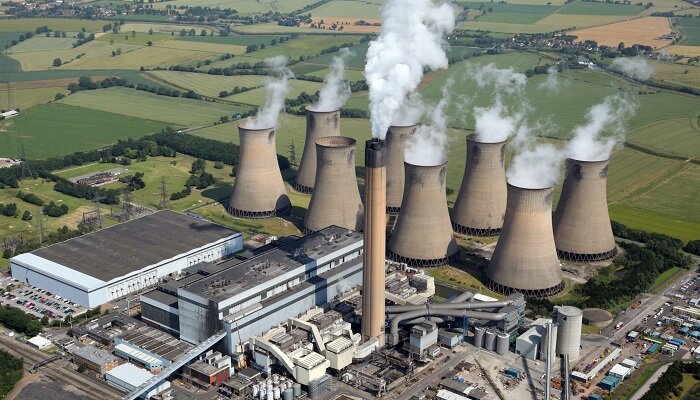
The UK’s national grid operator has made it clear that the country will not rely on coal-fired power generation, even if it becomes necessary during the upcoming winter. On June 28, the National Grid Electricity Systems Operator (ESO) issued a statement stating that operators of potential contingency plants will not have them prepared for service. Earlier this month, the ESO had discussions with power generators EDF and Drax about keeping coal-fired units on standby for the winter. However, the ESO announced that these discussions have concluded, and both operators have confirmed that they will not be able to make their coal units available and have begun the decommissioning process.

During the past winter, the UK kept five coal-fired contingency units on standby due to energy impacts caused by Russia’s invasion of Ukraine. These units were utilized in March of this year when cold temperatures persisted. According to the ESO, it cost approximately £400 million ($500 million) to maintain the power plants on standby during the previous winter.

In line with its strategy to address climate change by reducing emissions from the power sector, the UK government aims to shut down all coal-fired generation units by October 2024. Currently, only one coal-fired power plant, Uniper’s Ratcliffe-on-Soar station, remains operational. This 2-GW station has a capacity market contract and will continue supplying electricity to the grid until its planned retirement in September 2024. Two units at EDF’s West Burton A power plant, which were available last winter, have already been closed, and two units at the Drax facility are preparing for decommissioning due to technical, maintenance, and staffing reasons.

As per insights, sufficient electricity will be there to meet demand as there will be an operational surplus throughout winter in the base case scenario. The ESO considers it prudent to maintain the Demand Flexibility Service (DFS), introduced last year. The DFS involves volunteer households being compensated for reducing their electricity usage during peak demand periods.

To ensure adequate power supply, UK officials have stated their intention to continue importing electricity from other countries in the North Sea region during winter. Concerns arose among European officials regarding the availability of natural gas supplies from Russia because of the conflict with Ukraine. However, the winter of 2022/23 was relatively mild, and European countries ended the season with a record amount of in-storage natural gas.

It is predicted that electricity costs for UK consumers will likely increase this winter as power demand rises, despite sufficient electricity and natural gas supplies. To mitigate the impact on consumers, the UK government has implemented an energy price cap, which will take effect again in July.

Latest stories

Related stories

Smart Safety Systems Enhancing Grid Workforce Protection

Integrating cutting-edge technology into traditional infrastructure, smart safety systems power transmission projects by providing an intelligent layer of protection that anticipates hazards before they manifest. These digital innovations are revolutionizing how utility companies manage risk, ensuring that every technician in the field is connected, monitored, and shielded by a data-driven safety net.

Advanced Fall Protection in Power Transmission Safety

Maintaining equilibrium in the power sector requires more than just technical skill; it demands a robust infrastructure of fall protection in power transmission. By integrating sophisticated engineering with rigorous training protocols, organizations can significantly diminish the frequency of workplace accidents while simultaneously elevating the standards of operational performance across complex electrical grids.

Safer Work at Heights Driving Power Sector Productivity

Empowering the individuals who scale our national grids, safer work at heights power sector initiatives are bridging the gap between worker protection and operational efficiency. By investing in sophisticated fall protection and ergonomic safety systems, utility companies are creating an environment where peak performance is the natural byproduct of a secure and confident workforce.

Risk Prevention Strategies for Safer Power Infrastructure

Ensuring the resilience of our global energy networks requires a sophisticated framework of risk prevention power infrastructure safety. By moving beyond reactive measures to a culture of proactive hazard identification, organizations can build a safer environment for their employees while maintaining the critical flow of electricity to communities and industries.

Subscribe

- Never miss a story with notifications

- Gain full access to our premium content

- Browse free from any location or device.

Media Packs

Expand Your Reach With Our Customized Solutions Empowering Your Campaigns To Maximize Your Reach & Drive Real Results!

– Access the Media Pack Now

– Book a Conference Call

Leave Message for Us to Get Back

Translate »