





















Close
MCE 2026
World Hydrogen & Carbon Americas

EU Approves 28-Billion-Euro German Plan For Renewable Energy

Note* - All images used are for editorial and illustrative purposes only and may not originate from the original news provider or associated company.

Subscribe

- Never miss a story with notifications

- Gain full access to our premium content

- Browse free from any location or device.

Media Packs

Expand Your Reach With Our Customized Solutions Empowering Your Campaigns To Maximize Your Reach & Drive Real Results!

– Access the Media Pack Now

– Book a Conference Call

Leave Message for Us to Get Back

Related stories

Transformation of Power Distribution through Advanced Metering Infrastructure

The distribution level of the energy value chain is undergoing a fundamental redesign as utilities replace legacy equipment with intelligent monitoring systems that optimize flow and efficiency.

Strengthening Grid Reliability Through Advanced Metering Infrastructure

Grid stability and uptime are becoming increasingly critical as extreme weather events and fluctuating demand patterns challenge the resilience of traditional power systems.

The Role of Advanced Metering Infrastructure in Driving Smart Grid Growth

Modern energy systems are undergoing a radical transformation as digital communication layers integrate with traditional power hardware to facilitate a more responsive and scalable grid architecture.
- Advertisement -

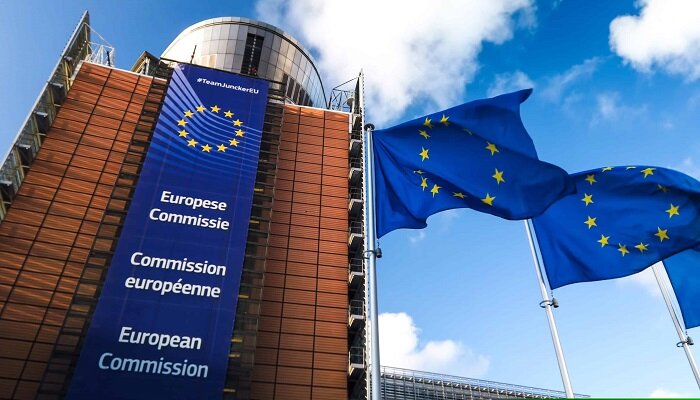
The German government’s 28-billion-euro ($29.69 billion) support programme for renewable energy, which aims to rapidly expand the use of wind and solar power, was approved by the European Commission, the commission announced on December 21.

The policy, which replaces an earlier renewable energy support programme, is in existence until 2026 and is intended to help Germany meet its 2030 goal of generating 80% of its electricity from renewable sources. The scheme, according to the European Commission, was essential and suitable to encourage renewable energy sources and reduce emissions that contribute to global warming, and its favourable effects on the environment exceeded any potential competitive distortions.

The German Renewable Energy Act 2023 programme, according to EU competition policy director Margrethe Vestager, will help further decarbonize energy production. Producers of renewable energy earn a premium from the programme in addition to the market price they are paid for their power. A feed-in-tariff offering a standard rate for their electricity is available to small generators.

In order to reach Germany’s objective of eliminating its net emissions of greenhouse gases by 2045, as well as partially cover the energy supply vacuum brought on by Russia’s decision to stop supplying the majority of the gas it provides to Europe this year, clean energy output must be increased.

Some EU nations have criticised Berlin’s approach to Europe’s energy shortage. Concerns centre on Germany’s larger plan to spend up to 200 billion euros in subsidies to protect consumers and businesses from skyrocketing energy costs. This amount is beyond the means of many other nations, and some have claimed that it will distort competition in the European Union’s single market.

Berlin’s renewable state support, according to the Commission, was kept to a minimum essential amount and included safeguards to reduce competition inefficiencies. The government must issue public tenders for the assistance.

Germany will scale off current subsidies for renewable producers during periods of negative electricity prices by 2027 in order to avoid subsidising businesses twice.

Latest stories

Related stories

Transformation of Power Distribution through Advanced Metering Infrastructure

The distribution level of the energy value chain is undergoing a fundamental redesign as utilities replace legacy equipment with intelligent monitoring systems that optimize flow and efficiency.

Strengthening Grid Reliability Through Advanced Metering Infrastructure

Grid stability and uptime are becoming increasingly critical as extreme weather events and fluctuating demand patterns challenge the resilience of traditional power systems.

The Role of Advanced Metering Infrastructure in Driving Smart Grid Growth

Modern energy systems are undergoing a radical transformation as digital communication layers integrate with traditional power hardware to facilitate a more responsive and scalable grid architecture.

Advanced Metering Infrastructure Powering Data Driven Utilities

The transition from analog management to digital intelligence is redefining the utility sector as data becomes the primary driver for operational excellence and strategic decision-making.

Subscribe

- Never miss a story with notifications

- Gain full access to our premium content

- Browse free from any location or device.

Media Packs

Expand Your Reach With Our Customized Solutions Empowering Your Campaigns To Maximize Your Reach & Drive Real Results!

– Access the Media Pack Now

– Book a Conference Call

Leave Message for Us to Get Back

Translate »