














The global hydropower market is expected to expand from USD 281 billion in 2025 to USD 401.10 billion by 2033, registering a compound annual growth rate (CAGR) of 4.8% during the forecast period from 2026 to 2033. Rising investment in renewable energy infrastructure, modernization of aging power facilities, and growing demand for reliable low-carbon electricity generation are continuing to strengthen the position of hydropower within the global energy mix.
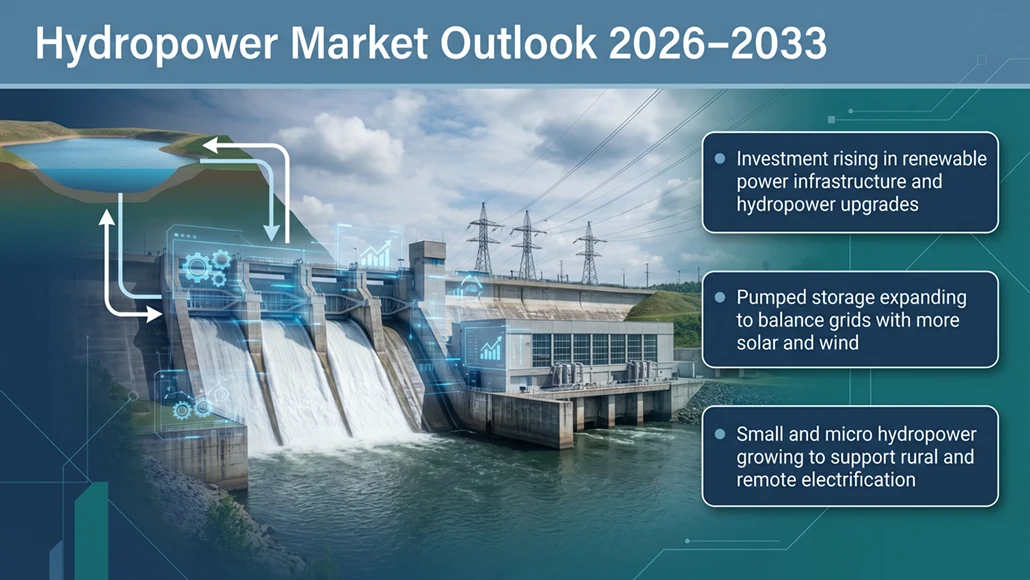
Hydropower remains one of the most established renewable energy sources due to its ability to deliver large-scale electricity generation with relatively low operating costs and minimal carbon emissions. Governments and energy providers are increasingly prioritizing hydropower projects to support long-term energy security, grid reliability, and national clean energy targets. Alongside large-scale projects, investments in small and micro hydropower facilities are also increasing as countries seek to improve rural electrification and expand renewable power access in remote regions.
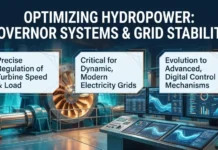
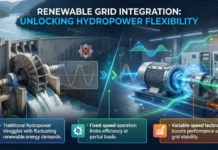
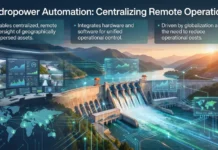
The hydropower market is being supported by growing policy emphasis on reducing dependence on fossil fuels and integrating renewable energy into national power systems. Utilities and governments are investing in modernization programs focused on upgrading turbines, digital monitoring systems, and automation technologies to improve plant efficiency and operational reliability. Pumped storage hydropower is also gaining attention for its role in energy storage and grid balancing, particularly as renewable sources such as solar and wind continue to expand.
Key Market Drivers
- Rising global demand for renewable and sustainable electricity generation
- Increasing public and private investments in clean energy infrastructure
- Growing focus on energy security and reduction of fossil fuel dependence
- Expansion of pumped storage facilities to support grid stability
- Modernization of existing hydropower plants through advanced technologies
Market Applications
Hydropower continues to serve multiple applications across energy and infrastructure sectors, including:
- Large-scale electricity generation
- Pumped storage and grid stabilization
- Rural and off-grid electrification
- Irrigation and water resource management
Competitive Landscape
The hydropower sector remains highly competitive, with companies focusing on infrastructure upgrades, renewable energy expansion, and technology integration to strengthen operational performance. Industry participants are increasingly adopting digital solutions, automation systems, and advanced turbine technologies to improve energy efficiency and plant reliability.
Strategic collaborations between governments, utilities, and private sector companies are supporting the development of large-scale hydropower projects and cross-border energy initiatives. Market participants are also expanding investments in small-scale hydropower systems and energy storage projects to support renewable integration into national grids.
Regional Outlook
Hydropower investments are continuing across developed and emerging markets as governments accelerate low-carbon energy transitions. Asia-Pacific remains a major center for hydropower development due to rising electricity demand and large-scale infrastructure investments, while Europe and North America are focusing on plant modernization and pumped storage expansion to improve renewable energy integration.
The hydropower market outlook remains positive as energy providers continue investing in sustainable power generation technologies capable of delivering long-term reliability, grid stability, and reduced greenhouse gas emissions.