


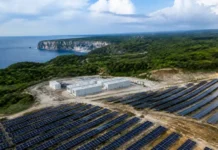
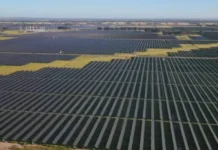


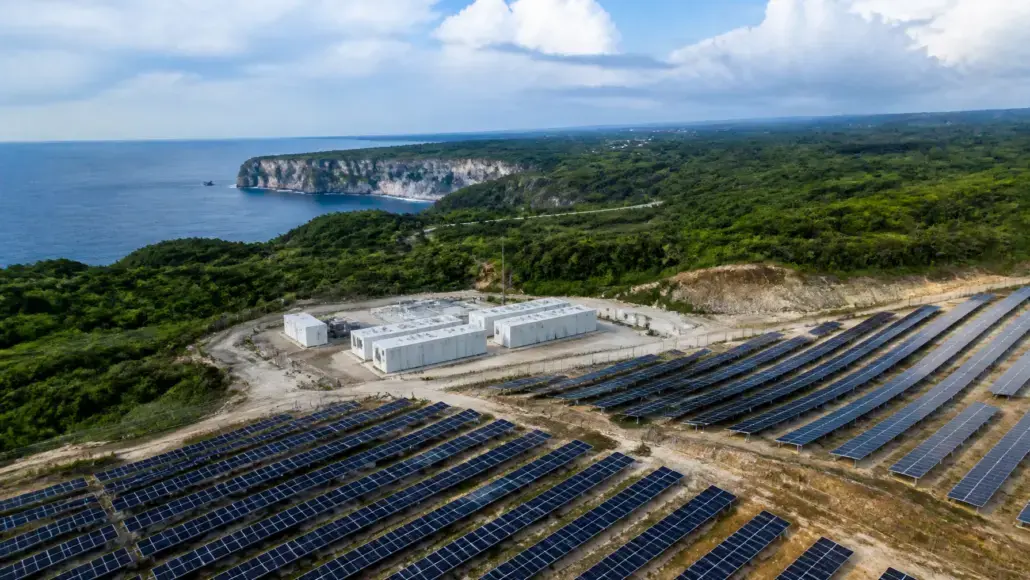

PT PLN Indonesia Power has officially commenced the construction of a new 4.5-megawatt (MW) hybrid solar power plant in Nusa Penida, Bali. This initiative incorporates a 9-megawatt-hour (MWh) battery energy storage system (BESS), marking a strategic effort to enhance the region’s renewable energy infrastructure. The development aims to optimize solar output while fostering a more resilient and sustainable electricity framework for the island.
Technical Specifications and Operational Goals
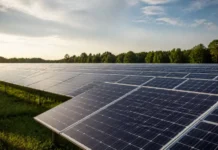
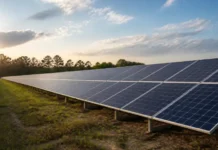
The project, which covers an 8.2-hectare site, utilizes 8,608 bifacial monocrystalline photovoltaic (PV) modules, each rated at 720 watt-peak (Wp). To ensure stability, the facility integrates lithium iron phosphate (LFP) battery technology. These systems are synchronized through an Energy Management System (EMS) and a Supervisory Control and Data Acquisition (SCADA) platform. This technology allows for the efficient coordination of power generation and storage, effectively stabilizing energy output during peak demand periods.
According to PLN Indonesia Power President Director Bernadus Sudarmanta, the project is designed to address the increasing energy needs of the area. “Electricity demand in Nusa Penida continues to rise. In 2026, peak load reached 18 MW, up 12 percent from the previous year. This underscores the importance of developing power generation facilities that can optimize local energy potential,” Sudarmanta stated.
Strengthening the Local Electricity Supply
The facility is expected to produce approximately 8.8 million kilowatt-hours (kWh) of electricity every year. By utilizing a hybrid solar power plant design, the project seeks to improve the flexibility of energy management.
“By integrating a solar power plant with a Battery Energy Storage System (BESS), we aim to provide a more efficient alternative energy supply while improving the reliability of Nusa Penida’s electricity system,” Sudarmanta added. This battery storage solution is essential for maintaining a consistent electricity supply for both residents and local commercial activities.
Construction of this sustainable system began on June 6, 2026, with a projected timeline of 12 months. This effort highlights a commitment to expanding the reach of green power infrastructure, ensuring that the local grid can adapt to evolving energy demands through advanced technology and integrated storage solutions.