


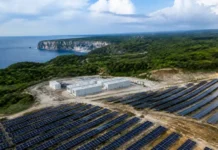

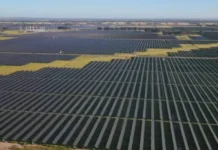





























Amazon has officially announced a significant expansion of its clean energy footprint by pledging a total of $7 billion in renewable energy India projects through 2030. This financial commitment serves to solidify the company’s status as a major corporate buyer of carbon-free electricity within one of the world’s fastest-growing economies. This latest announcement builds upon a previous $4 billion commitment, reinforcing the long-term Amazon strategy to support the local energy transition.
New Wind and Solar Developments
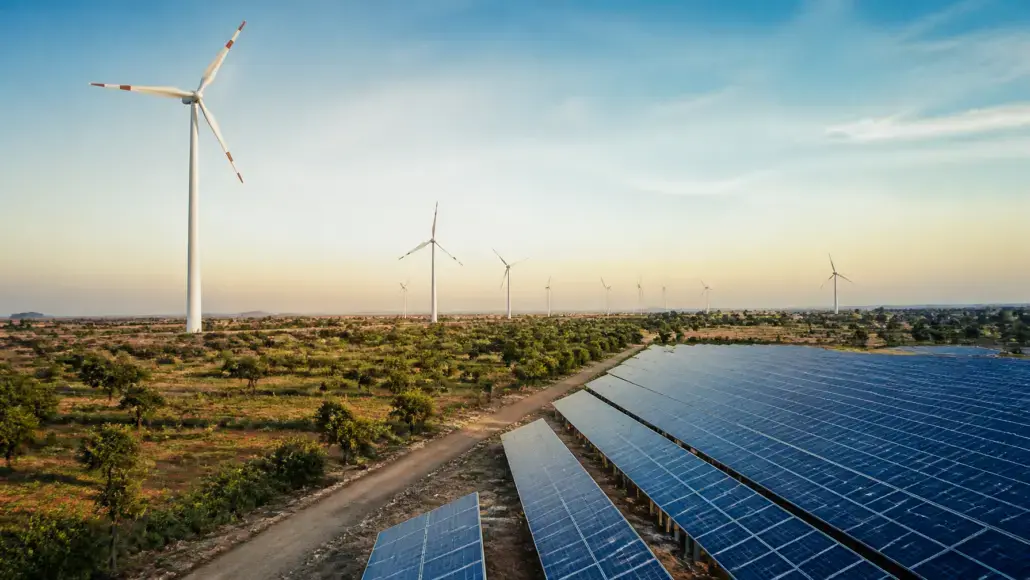
To execute this initiative, Amazon is launching four new wind and solar projects that represent a combined capacity of 934 megawatts. These facilities are being developed in collaboration with Indian firms Waaree, ReNew, and Sunsure, located across Karnataka, Madhya Pradesh, and Rajasthan.
- Karnataka will feature a 234 MW wind farm and a 200 MW hybrid solar and wind power facility. The 234 MW project currently stands as the largest wind power installation contracted by the company in Asia.
- Madhya Pradesh is set to host a 300 MW solar power plant.
- Rajasthan will see the addition of a 200 MW solar power facility.
Power Purchase Agreements and Grid Impact
The deployment of these assets is secured through long-term power purchase agreements. This model ensures the company purchases the generated electricity, which assists local developers in securing the necessary financing for infrastructure construction. Once these projects reach full operational status, the total portfolio in the country will exceed 2 gigawatts of capacity. This is sufficient to meet the annual electricity consumption requirements of more than 3.5 million Indian households.
Climate Goals and National Transition
This investment is a fundamental component of a broader global climate objective. The company has established a target to reduce the carbon intensity of the electricity powering its operations by 65% by 2030 compared to 2019 levels. According to Kara Hurst, Amazon’s Chief Sustainability Officer, the investment will help add more wind and solar capacity to the grid. Furthermore, the executive noted that the plan will also contribute to India’s energy security and its goal of net-zero emissions by 2070.
India is actively working toward an official target of 500 gigawatts of renewable energy India generation from non-fossil sources by 2030. By providing stable demand through these long-term contracts, corporate buyers are helping to accelerate the deployment of vital green infrastructure, ensuring local developers maintain the confidence to continue expanding the nation’s clean power output.