














Environmental compliance has become one of the defining operational constraints on thermal power generation. Emission limits for nitrogen oxides, sulphur dioxide, particulates and, increasingly, carbon dioxide continue to tighten across major markets, while reporting obligations grow more granular and enforcement more data-driven. Traditional compliance infrastructure, certified stack analysers paired with periodic manual testing, was built to verify performance, not to manage it. AI-based emissions monitoring extends that infrastructure into a forward-looking management tool: it validates and reconciles raw sensor data in real time, predicts emissions before they drift out of limit, and connects stack measurements back to the combustion decisions that cause them. For plant operators, the shift changes environmental management from an exercise in documentation into a control discipline that runs alongside boiler and turbine control every hour of operation.
Instrumentation obligations have grown alongside the limits. Newer rules specify certified analysers, defined quality assurance procedures and long data retention periods, and several jurisdictions require periodic relative accuracy test audits to prove the reported figures. Plants must now demonstrate the integrity of their emissions record continuously, not merely produce it on demand. The administrative load of meeting these requirements has grown faster than plant staffing, which pushes utilities toward automation of the compliance workflow itself. Where a decade ago a single environmental engineer could manage a station’s reporting, today the volume of validated data, audit trails and disclosures has made manual handling impractical.
The Regulatory and Commercial Context
Emissions regulation of thermal generation has hardened in every major market. Environmental norms in several countries now prescribe concentration limits for nitrogen oxides, sulphur dioxide and particulate matter with defined monitoring and reporting requirements, and plants operate under continuous oversight rather than annual inspection regimes. Carbon pricing adds a second layer: where emissions trading systems or carbon taxes apply, every tonne of carbon dioxide carries a direct cost, and accurate accounting determines commercial outcomes as much as fuel purchasing does. Corporate climate disclosure frameworks extend the reporting burden further up the utility organisation, demanding auditable emissions data at plant and fleet level.
The compliance consequences of failure have grown accordingly. Exceeding a permitted limit can trigger penalties, restrictions on unit operation or mandated curtailment during adverse conditions, and public disclosure obligations mean that exceedances are visible to regulators, investors and communities almost immediately. Against that backdrop, the quality of emissions data has become a governance issue. Plants increasingly discover that their monitoring data is adequate for compliance filings but too uncertain, delayed or fragmented to support operational decisions, and that gap is what AI methods now address.
From Continuous Monitoring to Predictive Systems
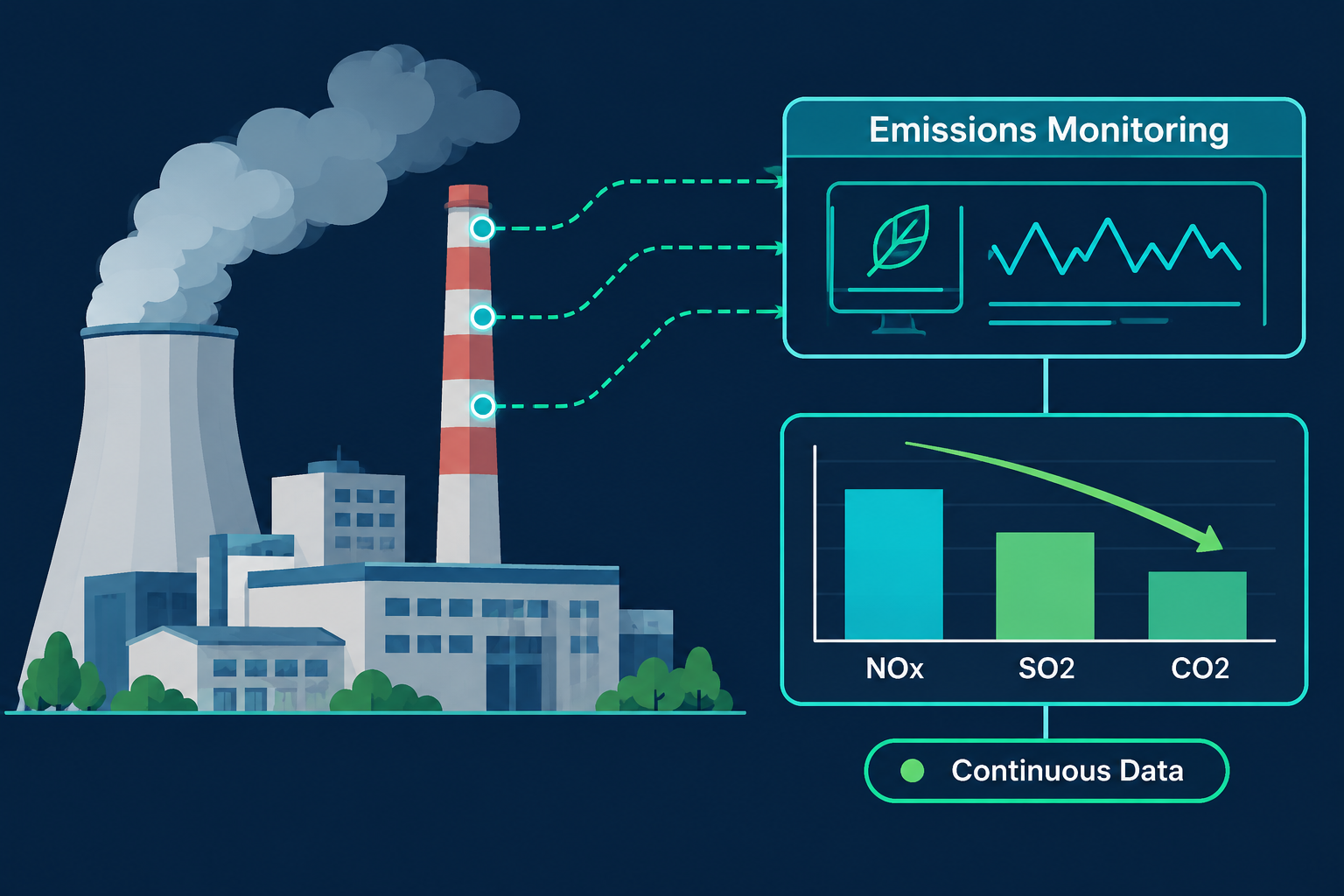
Continuous emissions monitoring systems installed at the stack remain the legal basis for compliance, and AI does not replace them. What AI adds sits downstream and upstream of those systems. Downstream, machine learning models screen the raw monitoring data for sensor drift, cross-interference between measurement channels and anomalies that would otherwise pass unnoticed until calibration checks, flagging instrument problems before they corrupt reported values. Data reconciliation techniques combine stack measurements with fuel and combustion data to produce a coherent, defensible emissions record, closing gaps when analyser outages occur.
Upstream of the stack sits the more powerful application: predictive emissions monitoring. Rather than waiting for pollutants to appear at the stack, models trained on combustion data, fuel properties and operating conditions estimate emissions in real time from process measurements alone, validated continuously against the certified analysers. The plant sees its emissions profile minutes before the physical flue gas arrives at the measurement point, and can act inside that window. The same models support what-if analysis: how will tonight’s load ramp affect nitrogen oxide concentrations, what happens if a selective catalytic reduction layer is taken offline for maintenance, which operating regime keeps the unit clear of the limit through the afternoon peak. Predictive capability converts emissions from a reported outcome into a managed variable.
AI for Combustion Optimisation and NOx Control
Nitrogen oxide formation is the clearest case where monitoring and control must work together. Thermal and fuel nitrogen oxides respond sensitively to combustion conditions: excess air, flame temperature, burner zone stoichiometry, mill balance and boiler load all influence formation, while the downstream selective catalytic or selective non-catalytic reduction systems remove a share of what forms. Those control systems carry their own costs, ammonia consumption, catalyst replacement, ammonia slip risk, and their efficiency depends on the flue gas conditions arriving at the catalyst.
AI-based combustion optimisation addresses the whole chain at once. Models learn how each controllable input affects nitrogen oxide formation, carbon monoxide, unburnt carbon and boiler efficiency simultaneously, then search for the operating combination that satisfies the emissions limit with the least efficiency penalty and lowest ammonia consumption. Plants running such systems commonly report nitrogen oxide reductions of ten to thirty percent from baseline alongside stable or improved boiler efficiency, which is a combination that fixed operator practice rarely achieves, because the tradeoffs shift continuously with load and fuel quality. The optimisation depends on trustworthy measurement, which is why AI-based emissions monitoring provides the foundation: its reconciled, validated data stream is what makes the combustion models accurate enough to act on with confidence.
Compliance and Reporting Advantages
The administrative side of environmental management consumes substantial engineering time, and AI methods deliver measurable relief:
- Automated data quality screening that catches analyser drift and calibration anomalies before they produce reportable errors, reducing the risk of data substitution penalties.
- Continuous validation against expected values derived from combustion models, providing documented evidence of data integrity for regulators and auditors.
- Early warning of excursions with sufficient lead time for corrective action, converting potential exceedances into avoided events.
- Automated generation of regulatory reports and emissions statements, replacing manual spreadsheet consolidation that is slow and error-prone.
- Complete, searchable emissions histories that support permit renewals, environmental audits and public disclosure requirements.
Beyond avoiding penalties, plants with demonstrably reliable emissions data negotiate from a stronger position: regulators grant operating flexibility more readily when a unit’s monitoring record shows consistent, verified compliance.
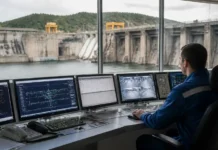
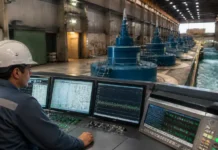
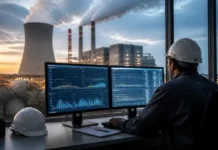
Integrating the emissions view into control room practice completes the operational shift. When nitrogen oxide and carbon intensity figures sit beside boiler trends on the operators’ screens, with predicted values over the coming minutes, environmental limits become live operating constraints like drum level or steam temperature rather than distant reporting obligations. Plants that make this integration report fewer last-minute ammonia adjustments, steadier catalytic reduction performance and smoother coordination between operations and environmental staff, since both teams now read the same numbers from the same reconciled data source.
Emissions Data and Carbon Management
Carbon dioxide now carries the highest commercial stakes of any emission from thermal generation, and it is measured differently from conventional pollutants, typically through fuel carbon content combined with verified heat input rather than a single analyser reading. AI-based methods assemble that calculation continuously and transparently: fuel consumption and calorific value feed carbon accounting models that produce plant-level carbon intensity per megawatt hour in real time, validated against the same data quality disciplines applied to pollutant monitoring. The output serves several purposes at once, feeding carbon market reporting, supporting intensity-based benchmarking against fleet peers and providing the emissions data that corporate disclosure frameworks require.
Real-time carbon intensity also changes operational economics. When carbon cost is embedded in the dispatch decision, the marginal fuel cost of every operating hour includes its emissions value, and efficiency measures translate directly into avoided carbon expenditure. Plants preparing for co-firing, ammonia blending or carbon capture retrofits use the same verified baselines to quantify the effect of each step, which strengthens the credibility of transition plans presented to regulators and financiers.
The same infrastructure supports forward planning. Utilities weighing retirement dates, fuel switching or capture retrofits need emissions trajectories under different operating scenarios, and the models built for daily compliance extend naturally to that work: how intensity changes at reduced load, with a different coal blend, or with a capture system drawing additional auxiliary power. Because these scenario models rest on validated operating data rather than assumptions, the resulting projections carry more weight with lenders and regulators, an increasingly material advantage as thermal assets seek approval for continued investment during the transition.
Emissions Intelligence Across the Thermal Fleet
The value of this capability compounds when it stops being a single-plant compliance function and becomes a fleet-wide intelligence layer. Utilities consolidating reconciled emissions data from all units gain a common basis for ranking environmental performance, transferring successful operating strategies between stations and allocating flexibility obligations to the units best equipped to bear them. That consolidation naturally merges with wider performance work, because emissions, efficiency and reliability draw on the same plant data infrastructure, and mature utilities increasingly manage them through integrated analytics programmes built around AI-driven plant performance analytics. The direction of travel is clear: environmental performance is becoming a continuously measured, actively managed property of thermal generation, and AI-based emissions monitoring supplies the measurement foundation on which the rest of that management system stands.