




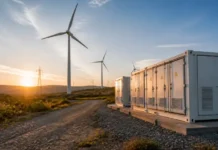

















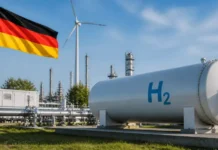



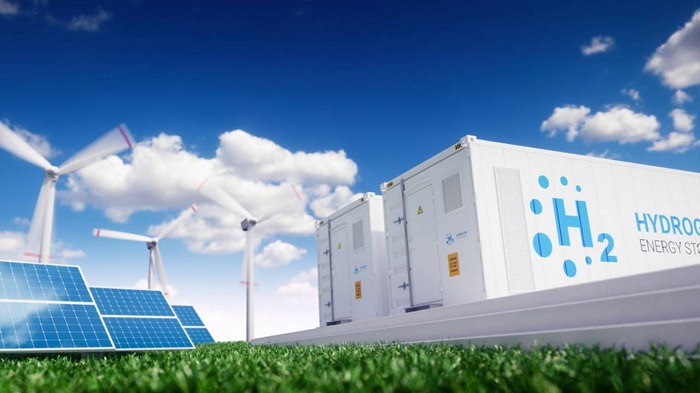

South Australia is looking forward to creating a new energy mix where hydrogen energy will combine with solar energy to accelerate its clean energy. The country has invested in photovoltaics to generate solar energy and to top it up with green energy. Installation of one of the green hydrogen technologies in South Australia will top up the solar and wind farm energy by double the available potential. Premier Steven Marshall articulated this statement explaining the potential that the hydrogen energy programs will impart in the economy.
Currently, South Australia has reached a 2 GW potential in renewable energy in its efforts to become a hub for renewable energy before the end of this decade. The state is hopeful that it can begin exporting renewable to other regions through Project EnergyConnect topping this export with hydrogen energy. The minister for energy and mining in Australia, Dan van Holst, stated that hydrogen energy revives the slumpy economy after the coronavirus pandemic is striking its strategy. Currently, the ministry is working on minimizing the costs to meet heavy manufacturing industries and factories’ electricity needs.
The state has discovered hotspots where the development of green hydrogen will perform better than other sites. These areas include Port Adelaide, Cape Hardy, and Port Bonython, where green energy will be tolerable. These regions have proved to be appropriate in generating hydrogen energy at affordable prices. Additionally, the South Australian government has discovered that legislating and drafting suitable policies will help the hydrogen energy developers install these regions’ infrastructure quickly. As the demand for hydrogen increases, the decarbonization plan will be achievable as early as 2050 in other sectors like heavy industries and transportation.
South Australia hopes that the hydrogen energy plan can take shape to enable the automotive industry to develop electric vehicles. This move will escalate the rate of clearing ICE cars from the roads. Additionally, the government reiterated that it would support the development of the hydrogen generation’s storage technology.
Van Holst Pellekan explained that more businesses would resume and take up this latest technology to conduct its operations. Pelikan added that the state would support all efforts to help realize a smooth transition to clean energy. In conclusion, hydrogen would help supplement solar and wind energy, motivating companies, and households to wholly switch to renewables. Nevertheless, all efforts will take time before they generate tangible results.