
















Close
MCE 2026
World Hydrogen & Carbon Americas

SSE plans to invest $2.8bn in low-carbon power projects

Note* - All images used are for editorial and illustrative purposes only and may not originate from the original news provider or associated company.

Subscribe

- Never miss a story with notifications

- Gain full access to our premium content

- Browse free from any location or device.

Media Packs

Expand Your Reach With Our Customized Solutions Empowering Your Campaigns To Maximize Your Reach & Drive Real Results!

– Access the Media Pack Now

– Book a Conference Call

Leave Message for Us to Get Back

Related stories

Industrial Decarbonisation and Power Sector Synergy

The path to a net-zero economy requires the deep integration of heavy industry with the electrical grid. By exploring the concept of sector coupling and the role of hydrogen in difficult-to-abate sectors, this analysis details how industrial decarbonisation and power sector synergy can create a more resilient, flexible, and efficient energy system through shared infrastructure and coordinated strategy.

Hydrogen Trade Corridors Reshape Global Energy Supply

The emergence of international hydrogen trade is fundamentally redrawing the world's energy maps. By establishing dedicated corridors that connect resource-rich exporters with high-demand industrial centers, the global energy transition is moving toward a more diversified and resilient supply chain underpinned by advanced maritime logistics and rigorous certification standards.

Largest Solar-Plus-Storage Project Hits Initial Grid Sync

The first phase of the MTerra Solar project in...
- Advertisement -

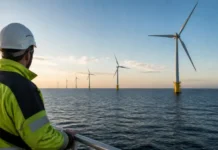
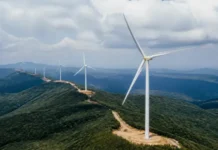
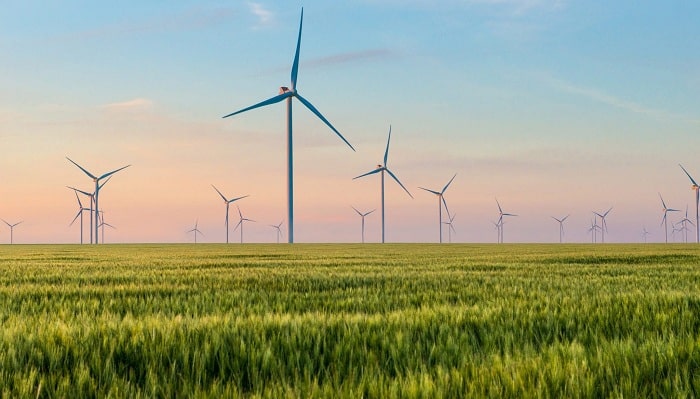
UK-based energy company SSE is planning to invest almost £2bn ($2.8bn) in low-carbon power projects this year. The investment is part of the company’s £7.5bn ($10.5bn) investment plan to 2025. This plan includes the construction of the world’s largest offshore wind farm at Dogger Bank, as well as Scotland’s largest and deepest offshore wind farm at Seagreen.

The plan also includes the infusion of up to £2.8bn ($3.9bn) by 2026 for connecting large quantities of new renewable power and transporting it via the electricity transmission system.

SSE is planning to create an undersea electricity ‘superhighway’ on the UK’s east coast to transfer renewable power from the north of Scotland to centres of the population.

It is also working towards other potential opportunities for connecting more islands to the electricity grid in order to unlock renewable resources.

The firm is also exploring additional investments as the UK prepares to host the 26th UN Climate Change Conference (COP26).

SSE chief executive Alistair Phillips-Davies said: “The UK is leading the world in the decarbonisation agenda and SSE is powering that change. We want to keep the momentum up and ensure the economic recovery helps tackle the climate emergency too.

“This is a pivotal year for the planet in our fight against climate change. As a?Principal?Partner of COP26, we are supporting the UK Government’s efforts to drive more urgent and ambitious climate action.

“At the same time, we are focused on?ensuring equitable social outcomes from the net-zero transition, and?through our investment programme, we are building projects that will not only help tackle climate change but will create?green jobs?and revitalise communities along the way.”

SSE re-emphasised its plan to build at least 1GW of assets a year during the second half of the decade.

It is also planning to explore opportunities to export its renewables overseas, as well as exporting engineering expertise to other countries.

The company expects to begin a sale process for its 33% stake in gas network operator SGN later this year, expecting to conclude it before the end of the year.

Earlier this month, SSE Thermal and Equinor announced plans to build a 900MW gas-fired power plant with carbon capture technology (CCS) at Peterhead, Scotland.

Latest stories

Related stories

Industrial Decarbonisation and Power Sector Synergy

The path to a net-zero economy requires the deep integration of heavy industry with the electrical grid. By exploring the concept of sector coupling and the role of hydrogen in difficult-to-abate sectors, this analysis details how industrial decarbonisation and power sector synergy can create a more resilient, flexible, and efficient energy system through shared infrastructure and coordinated strategy.

Hydrogen Trade Corridors Reshape Global Energy Supply

The emergence of international hydrogen trade is fundamentally redrawing the world's energy maps. By establishing dedicated corridors that connect resource-rich exporters with high-demand industrial centers, the global energy transition is moving toward a more diversified and resilient supply chain underpinned by advanced maritime logistics and rigorous certification standards.

Largest Solar-Plus-Storage Project Hits Initial Grid Sync

The first phase of the MTerra Solar project in...

India, UK Launch Offshore Wind Taskforce to Scale Capacity

India and the United Kingdom formally launched the India-UK...

Subscribe

- Never miss a story with notifications

- Gain full access to our premium content

- Browse free from any location or device.

Media Packs

Expand Your Reach With Our Customized Solutions Empowering Your Campaigns To Maximize Your Reach & Drive Real Results!

– Access the Media Pack Now

– Book a Conference Call

Leave Message for Us to Get Back

Translate »