

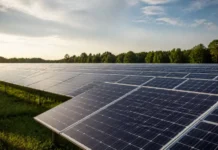
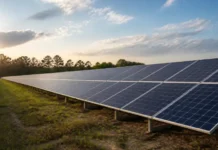











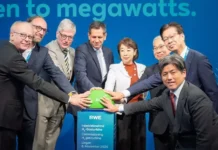




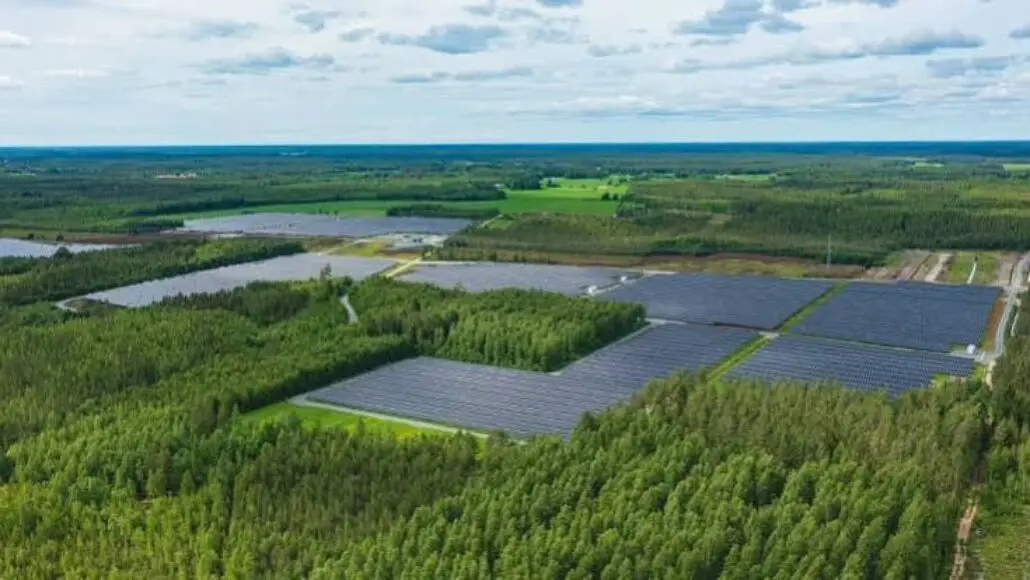

Solarigo Systems, Wisol, and Ensto Maviko have formalised a partnership to construct utility-scale solar power plants across Finland. These Finland solar power projects aim to achieve a combined 461MWp of total capacity, with the rollout scheduled between 2027 and 2029. The projects will be selected directly from the existing development portfolio managed by the Solarigo Group.
Strategic Construction and Engineering Collaboration
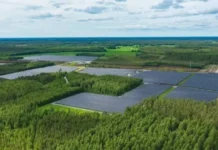
The three companies have signed a letter of intent to implement a unified construction concept. This methodology is specifically tailored to address unique Finnish environmental factors, including the challenging ground conditions frequently encountered at former peat production sites. By leveraging collective experience, the partners intend to establish a replicable and cost-effective framework that prioritizes quality, long-term competitiveness, and delivery reliability in the construction phase.
Solarigo Systems will serve as the primary engineering, procurement and construction (EPC) contractor for these initiatives. Meanwhile, the Solarigo subsidiary will manage project ownership and ongoing development. Regarding the partnership, Solarigo sales director Samuli Pohtola said: “Successful utility-scale energy projects require seamless cooperation and skilled, reliable partners. Our cooperation with Wisol and Ensto has worked extremely well, and we want to take it further.”
Pohtola added: “By working together from the early stages of a project, we can jointly plan and optimise solutions for civil works, mounting structures and substations. This helps improve overall project profitability and ensures we get things right the first time.”
Technical Focus and Future Infrastructure
Within this joint effort, Wisol will provide specialized expertise in earthworks, site layout design, and the supply of solar mounting structures. Ensto Maviko will lead the substation engineering and delivery, ensuring that infrastructure remains aligned with the specific requirements of each site.
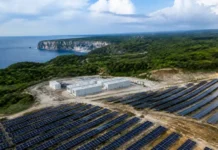
The initiative places a strong emphasis on solar tracking technology to enhance power generation and improve cost-efficiency within the region. Furthermore, the partners are evaluating the potential for hybrid energy parks. These potential developments would combine solar generation with battery energy storage systems (BESS) and may integrate data centre activities to address the rising electricity demand driven by industrial electrification in Finland. As these Finland solar power projects progress, the partners aim to accelerate the deployment of high-quality energy infrastructure.