


























Events Date: 9

In 2024 Wind and Solar Power Surpassed Coal in the U.S.

Note* - All images used are for editorial and illustrative purposes only and may not originate from the original news provider or associated company.

Subscribe

- Never miss a story with notifications

- Gain full access to our premium content

- Browse free from any location or device.

Media Packs

Expand Your Reach With Our Customized Solutions Empowering Your Campaigns To Maximize Your Reach & Drive Real Results!

โ€“ Access the Media Pack Now

โ€“ Book a Conference Call

โ€“ Leave Message for Us to Get Back

Related stories

Domestic Solar Manufacturing Strengthening Energy Supply

Bolstering domestic solar manufacturing is a strategic imperative for achieving national energy security and fostering a resilient supply chain that reduces reliance on volatile international markets.

Climate Resilient Solar Infrastructure for Future Grids

Designing and deploying climate resilient solar infrastructure is paramount to ensuring energy reliability as the global frequency of extreme weather events increases, demanding a fundamental shift in photovoltaic engineering and site planning.

Solar EV Charging Supporting Clean Mobility Expansion

The convergence of solar energy and electric vehicle infrastructure is a transformative development for urban sustainability, offering a clean, renewable pathway for the rapid expansion of global mobility systems.
- Advertisement -

Wind and Solar Outpace Coal for the First Time in U.S. Electricity Mix

As electricity demand keeps climbing across the United States, the question now isnโ€™t just how to keep the lights on โ€” itโ€™s how to do it without leaning further into fossil fuels.

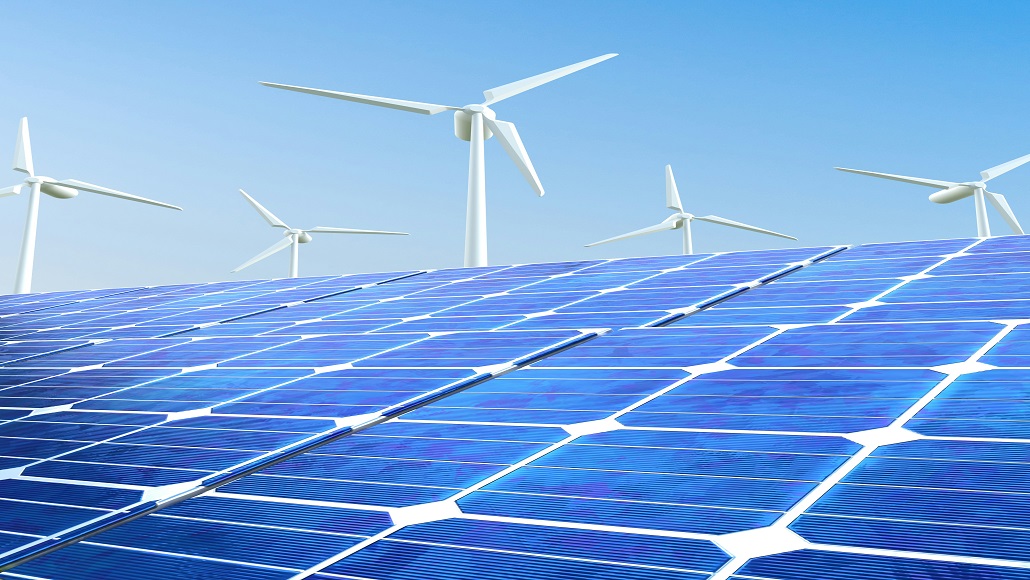
In 2024, the country quietly crossed a major renewable energy milestone. Wind and solar power together generated more electricity than coal in U.S. for the first time ever. Thatโ€™s according to new findings from Ember, based on a full year of data from the U.S. Energy Information Administration. Together, wind and solar power accounted for 17 percent of total electricity generation. Coal fell to just 15 percent, its lowest share on record.

This happened in a year when electricity use jumped 3 percent โ€” the fifth-largest spike since 2000. Natural gas did grow to meet part of that demand, but solar growth told a bigger story. In fact, it added more new generation than gas, suggesting a deep shift in where Americaโ€™s power is coming from.

Renewable Energy Picks Up Speed

Solar stood out, growing by 27 percent and adding 64 terawatt-hours to the grid. Wind power added another 32. That growth helped balance both the steep drop in coal output and a sharp rise in electricity demand overall.

Gas-fired generation grew by 59 terawatt-hours โ€” up just over three percent โ€” but it was solar that met the largest chunk of the demand increase. Coal, on the other hand, lost ground again. Since 2007, coal in U.S. has dropped by 68 percent. Emissions from the power sector have come down by nearly a third in that same period.

Batteries Are Changing the Game

One reason solar has been able to take on a bigger role is battery storage. The ability to store solar power during the day and use it in the evening is solving one of clean energyโ€™s biggest challenges.

In states like California and Nevada, solar now makes up more than 30 percent of the electricity mix. Thatโ€™s the first time either state has hit that number. California also led the way in energy storage, installing more battery capacity than solar panels โ€” a move aimed at keeping the grid steady when the sun goes down.

Across the country, solar developers added 31 gigawatts of new large-scale capacity, while battery storage added another 10. Texas had a breakout year, building more new solar and battery projects than any other state โ€” even outpacing California.

Whatโ€™s Holding Things Back?

There are still real obstacles with clean energy. Wind energy added the smallest amount of new capacity in over a decade. And more than half of U.S. states still get less than five percent of their electricity from solar.

To keep momentum, the report says the country needs better grid infrastructure, faster permitting, and more investment in clean tech.

Coalโ€™s decline continued, but fossil fuel use overall ticked up slightly, pushing power-sector emissions up by 0.7 percent. Still, emissions per unit of electricity were the lowest theyโ€™ve ever been.

This isnโ€™t just a data point. It marks a turning point. The U.S. is using more electricity than before, and solar is now going toe-to-toe with gas. If investment in renewable energy stays strong, and storage keeps scaling, the U.S. could meet future power needs without stepping back on climate progress.

Power Info Today brings together the global energy industry โ€” from generation and transmission operators to utility executives and energy transition leaders โ€” through trusted editorial, market intelligence, and digital engagement.

Our 2026 Media Pack offers integrated solutions to reach your audience:

  • Magazine & Digital Editions Showcase your brand within premium energy industry coverage read by executives and decision - makers worldwide.
  • Industry Insights & Reports Align with data - driven analysis, trend reports, and regional roundups across the global power and energy value chain.
  • Brand Authority & Credibility Position your company as a thought leader through expert commentary, interviews, and special features.

Latest stories

Related stories

Domestic Solar Manufacturing Strengthening Energy Supply

Bolstering domestic solar manufacturing is a strategic imperative for achieving national energy security and fostering a resilient supply chain that reduces reliance on volatile international markets.

Climate Resilient Solar Infrastructure for Future Grids

Designing and deploying climate resilient solar infrastructure is paramount to ensuring energy reliability as the global frequency of extreme weather events increases, demanding a fundamental shift in photovoltaic engineering and site planning.

Solar EV Charging Supporting Clean Mobility Expansion

The convergence of solar energy and electric vehicle infrastructure is a transformative development for urban sustainability, offering a clean, renewable pathway for the rapid expansion of global mobility systems.

Solar Forecasting Improving Renewable Power Accuracy

Advanced solar forecasting techniques, powered by artificial intelligence and sophisticated meteorological monitoring, are essential for improving the accuracy of renewable power generation and ensuring the seamless integration of solar assets into the global energy grid.

Subscribe

- Never miss a story with notifications

- Gain full access to our premium content

- Browse free from any location or device.

Media Packs

Expand Your Reach With Our Customized Solutions Empowering Your Campaigns To Maximize Your Reach & Drive Real Results!

โ€“ Access the Media Pack Now

โ€“ Book a Conference Call

โ€“ Leave Message for Us to Get Back

Translate ยป