





















Events Date: 9

Resilience Hubs In California Aim To Cut Carbon Emissions

Note* - All images used are for editorial and illustrative purposes only and may not originate from the original news provider or associated company.

Subscribe

- Never miss a story with notifications

- Gain full access to our premium content

- Browse free from any location or device.

Media Packs

Expand Your Reach With Our Customized Solutions Empowering Your Campaigns To Maximize Your Reach & Drive Real Results!

โ€“ Access the Media Pack Now

โ€“ Book a Conference Call

โ€“ Leave Message for Us to Get Back

Related stories

Domestic Solar Manufacturing Strengthening Energy Supply

Bolstering domestic solar manufacturing is a strategic imperative for achieving national energy security and fostering a resilient supply chain that reduces reliance on volatile international markets.

Climate Resilient Solar Infrastructure for Future Grids

Designing and deploying climate resilient solar infrastructure is paramount to ensuring energy reliability as the global frequency of extreme weather events increases, demanding a fundamental shift in photovoltaic engineering and site planning.

Solar EV Charging Supporting Clean Mobility Expansion

The convergence of solar energy and electric vehicle infrastructure is a transformative development for urban sustainability, offering a clean, renewable pathway for the rapid expansion of global mobility systems.
- Advertisement -

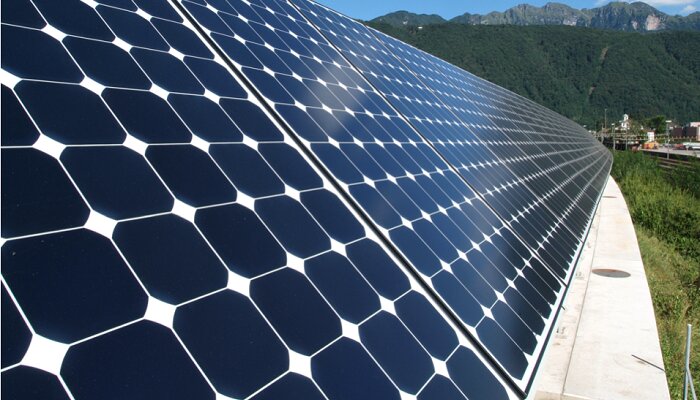
Power outages are increasing nationwide due to climate change, which is causing more frequent wildfires, heat waves, and severe weather events. Both FEMA and the state of California have recently allocated funds to help communities establish โ€œresilience hubsโ€ that use solar and battery systems to supply emergency power.

A study published in the journal Risk Analysis suggests that placing resilience hubs strategically throughout California could produce up to 8 GW of solar energy, reducing the state’s carbon emissions by 5 million tons annually.

These resilience hubs, located in community facilities like schools, libraries, community centers, and places of worship, provide critical services such as phone charging, cooling, and powering medical devices. Unlike temporary emergency relocation centers, resilience hubs offer year-round services, helping vulnerable and disadvantaged populations.

Senior scientist Patrick Murphy mentioned that there is a high demand for resilience hubs, as evidenced by California’s Strategic Growth Council awarding 11 grants for resilience hubs in February 2024, although more than 100 communities had requested funding.

Murphy and his team at PSE Healthy Energy identified nearly 20,000 potential sites for solar and battery-powered resilience hubs. They determined the optimal system design for daily operation and calculated the additional power and equipment required during different outage scenarios. Their analysis incorporated sociodemographic data to guide policy and funding priorities, focusing on regions where establishing resilience hubs is challenging or expensive, and where the populations are most in need.

The study also found that coastal northern California faces resilience challenges during the rainy and snowy winter season, while the Imperial Valley in southern California struggles when summer heat exceeds rooftop solar capacity. Regions and seasons with higher energy demands than their potential solar harvesting capabilities will need either more sites or additional roof space to ensure resilient energy for hubs.

If grid power is available, candidate resilience hubs could provide critical services to approximately 15.8 million people, which is about 40% of Californians. However, further study is needed to determine if this capacity is accessible to the most vulnerable populations.

Murphy noted that solar and battery power for everyday operations is often financially viable without requiring additional funding, particularly in areas with abundant sunshine and high utility rates. High utility rates make the switch to solar and battery power more economically justified due to greater savings from renewable energy, whereas regions with lower utility costs, while more affordable day-to-day, make solar adoption harder to justify economically.

The total cost of implementing solar and battery power for everyday use pays for itself through saved utility expenses. However, additional upfront capital is needed to meet resilience requirements, mainly for increased battery storage.

Murphy emphasized that resilience hubs provide services year-round, not just during disasters, and thus help build a communityโ€™s adaptive capacity before disasters occur.

Power Info Today brings together the global energy industry โ€” from generation and transmission operators to utility executives and energy transition leaders โ€” through trusted editorial, market intelligence, and digital engagement.

Our 2026 Media Pack offers integrated solutions to reach your audience:

  • Magazine & Digital Editions Showcase your brand within premium energy industry coverage read by executives and decision - makers worldwide.
  • Industry Insights & Reports Align with data - driven analysis, trend reports, and regional roundups across the global power and energy value chain.
  • Brand Authority & Credibility Position your company as a thought leader through expert commentary, interviews, and special features.

Latest stories

Related stories

Domestic Solar Manufacturing Strengthening Energy Supply

Bolstering domestic solar manufacturing is a strategic imperative for achieving national energy security and fostering a resilient supply chain that reduces reliance on volatile international markets.

Climate Resilient Solar Infrastructure for Future Grids

Designing and deploying climate resilient solar infrastructure is paramount to ensuring energy reliability as the global frequency of extreme weather events increases, demanding a fundamental shift in photovoltaic engineering and site planning.

Solar EV Charging Supporting Clean Mobility Expansion

The convergence of solar energy and electric vehicle infrastructure is a transformative development for urban sustainability, offering a clean, renewable pathway for the rapid expansion of global mobility systems.

Solar Forecasting Improving Renewable Power Accuracy

Advanced solar forecasting techniques, powered by artificial intelligence and sophisticated meteorological monitoring, are essential for improving the accuracy of renewable power generation and ensuring the seamless integration of solar assets into the global energy grid.

Subscribe

- Never miss a story with notifications

- Gain full access to our premium content

- Browse free from any location or device.

Media Packs

Expand Your Reach With Our Customized Solutions Empowering Your Campaigns To Maximize Your Reach & Drive Real Results!

โ€“ Access the Media Pack Now

โ€“ Book a Conference Call

โ€“ Leave Message for Us to Get Back

Translate ยป