



















In the evolving landscape of renewable energy, wind power no longer fits the mould it once did. The wind turbine, once a symbol of early green ambition, is entering a new chapter – quieter, sharper, smarter. The phrase next-generation wind turbine technologies no longer points to the future. It’s already here, reshaping how nations plan grids, how companies measure sustainability, and how engineers approach design from the ground up.
The significance of this transformation is difficult to overstate. Today’s turbines are not merely producing more power—they’re redefining the very nature of how wind integrates into modern energy systems. Whether deployed off rugged coastlines, suspended on floating platforms, or embedded with AI-driven controls, the technologies leading this change speak to more than mechanical evolution. They reflect a growing maturity in the wind sector—an understanding that scalability must be accompanied by intelligence, adaptability, and long-term reliability.
Harnessing High-Altitude Winds Through Advanced Engineering
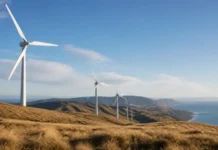
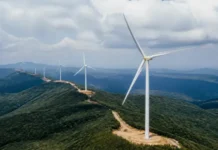
It’s no accident that turbines keep growing taller. The physics is straightforward: higher altitudes carry more stable winds. But behind this vertical growth is a deeper trend—an engineering philosophy that prioritises long-term yield over short-term convenience. Next-generation wind turbine technologies are being tailored not just to catch wind but to extract every bit of its potential with minimal waste.
Some of today’s designs feature rotors longer than a commercial aircraft’s wingspan. These massive blades aren’t just feats of material science—they’re part of a strategic push to increase the swept area, which in turn allows a single turbine to serve more homes, feed more into the grid, and stabilise power delivery across wider demand swings. Yet the true ingenuity lies in how these giants are controlled. Micro-adjustments to blade pitch, millisecond yaw responses, and real-time torque modulation are quietly transforming how much energy can be pulled from air that never stops moving.
Unlocking Offshore Potential Through Floating Wind Technologies
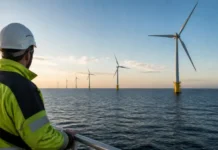
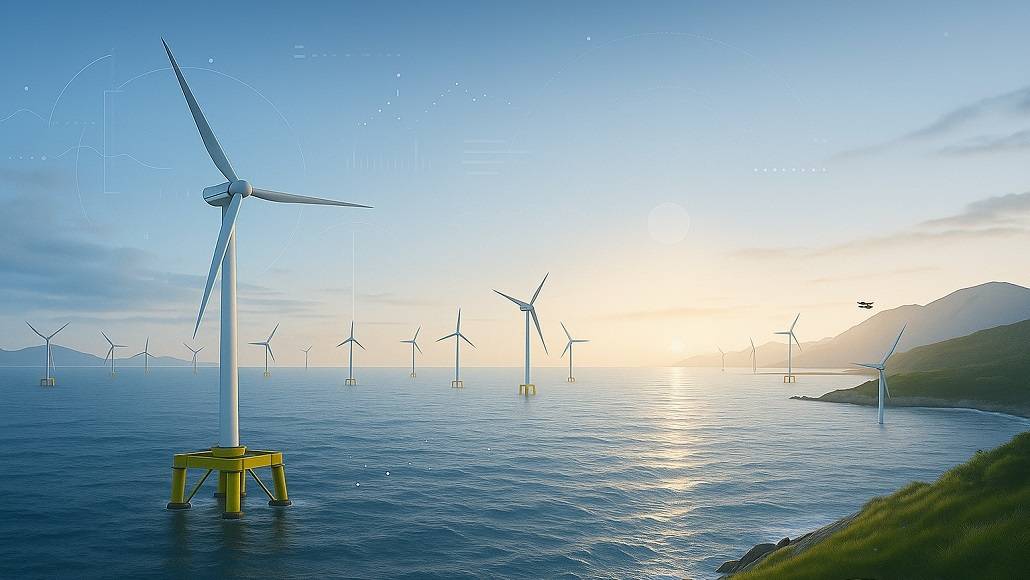
For decades, the dream of harnessing open-ocean wind remained technically distant. Fixed-bottom turbines could only be planted in shallow waters, leaving deep-sea winds untapped. That frontier is now falling away. With the arrival of floating wind farms, next-generation wind turbine technologies have found a home in deeper, more powerful waters.
These floating structures move with the sea’s rhythm but remain remarkably stable. They allow developers to build far from shorelines, where winds blow stronger and conflicts with shipping lanes or fishing grounds can be minimised. In places like Japan, Norway, and the U.S. West Coast, where shallow coasts are rare, floating turbines are not just innovative—they’re essential. And as installation methods become more refined, this segment is expected to lead offshore wind expansion through the next decade.
Engineering Precision in the Core Architecture of Modern Turbines
What once looked like a simple structure of blades and tower now conceals a web of intricate systems. Step inside a modern turbine nacelle, and one can find more than gears and generators. It looks like a miniature power plant—one where every moving part is monitored, every stress load measured, every pattern learnt and refined. This shift is no longer optional. To compete in a grid that demands stability and efficiency, turbines must be both robust and responsive.
Core to these next-generation wind turbine technologies are the innovations that drive them. Direct-drive systems, for instance, have reduced dependency on gearboxes, cutting down on wear, failure rates, and maintenance schedules. Blade design has undergone its own quiet renaissance. Engineers now use advanced composites—some flexible, some ultra-rigid—allowing blades to reach beyond 100 metres while holding structural integrity in even the fiercest offshore gusts. These aren’t upgrades; they’re complete rethinks of what a wind turbine should be and how much it should deliver over 20 or 25 years of service.
Real-Time Data Intelligence as a Cornerstone of Turbine Performance
There was a time when wind turbines were mostly passive machines. Once installed, they were left to spin and deliver whatever energy they could, subject to weather patterns and mechanical limitations. That era is quickly vanishing. Today’s turbines are wired with sensors and systems that collect data every second—from blade angles to internal temperatures to microscopic vibrations inside bearings.
All of this feeds into centralised analytics systems or digital twins—virtual models of each turbine that mirror its physical state. Operators, often working from control rooms miles away, use these models to fine-tune performance or anticipate failures before they occur. This kind of predictive maintenance is no longer just a benefit—it’s a cornerstone of the next-generation wind turbine ecosystem. When even a single day of downtime translates into megawatts lost, the value of insight becomes undeniable.
More importantly, this intelligence allows wind farms to adapt. If a storm is approaching, turbines can feather their blades to prevent damage. If demand on the grid spikes, they can push output to meet it. It’s this flexibility, made possible by constant monitoring and adaptive control, that distinguishes the new era of wind technology from what came before.
Low-Impact Turbine Design for Enhanced Environmental Compatibility
Wind power, for all its clean credentials, has never been free from scrutiny. Communities raise concerns about noise, about visual disruption, and about effects on local wildlife. The industry has listened, and the response has been quiet but meaningful. A wave of low-impact designs is now taking hold—less visible, less noisy, and more aligned with both people and nature.
Among the more intriguing developments are bladeless wind turbines. These slender, vertical structures vibrate in the wind rather than rotate. The result? No spinning blades, no sweeping shadows, and no blade-related bird collisions. While these are still in the pilot phase, particularly for urban and small-scale use, they signal a shift in how designers are thinking. In the past, the focus was raw power. Today, it’s power with purpose—and with sensitivity to where and how that power is delivered.
In regions with tighter zoning laws or high ecological value, such advances are not only appreciated—they may be the key to gaining public support. And as developers expand wind into new territories, next-generation wind turbine technologies that respect local environments and aesthetics will almost certainly be the ones that win approval first.
Strategic Energy Integration Through Hybrid Wind Systems
Energy systems don’t operate in silos anymore. Solar, wind, storage, and grid infrastructure must now move in tandem. That’s why one of the defining characteristics of next-generation wind turbine technologies is their ability to work in hybrid setups. Onshore and offshore wind farms are being paired with solar panels, batteries, and even electrolysers to create truly dynamic energy hubs.
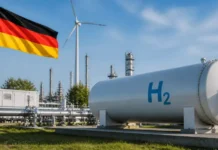
Hydrogen has emerged as a major piece of this integration story. Excess power generated by wind turbines during low-demand periods can now be diverted to produce green hydrogen through electrolysis. This fuel can then be stored, transported, and used across sectors—from industry to heavy transport. What this means, in practice, is that a wind farm is no longer just a point of generation. It’s becoming a cornerstone of a flexible, multi-output energy system.
Governmental Policy as a Catalyst for Wind Technology Advancement
Behind nearly every successful wind technology breakthrough is a policy signal that made it possible. Governments have begun to recognise that next-generation wind turbine technologies require more than market incentives—they need long-term planning frameworks, grid upgrades, and research funding to flourish. We’re now seeing those frameworks fall into place.
From Europe’s offshore wind expansion mandates to new permitting reforms in the U.S. and Asia, regulators are aligning with innovation cycles. Tenders increasingly reward technical capability and system integration rather than just cost per megawatt. This change in criteria is pushing manufacturers to take risks—to invest in new designs, advanced materials, and more collaborative project structures. The public sector isn’t just creating the space for innovation; in many cases, it’s actively shaping the direction.
Reinventing the Supply Chain for a Smarter Era
To build smarter turbines, the entire support system must evolve. Transporting a 110-metre blade is not a trivial exercise. Nor is installing a 15-megawatt turbine in the middle of the ocean. That’s why developers and manufacturers are investing in new logistical models—modular components, ship-based assembly, and localised fabrication sites close to ports.
Sustainability in the supply chain is also moving from ambition to execution. Blade recycling, zero-carbon steel manufacturing, and circular economy principles are becoming part of procurement criteria. It’s no longer just about how the turbine performs once installed; it’s about what footprint it leaves behind from cradle to deployment—and how much of it can be recovered or reused when the system reaches the end of its life.
Workforce Development to Support Technological Transition
Next-generation wind turbine technologies won’t reach their full potential without the people to build, install, and maintain them. The pace of change means that training programmes must now cover more than mechanical skills. Data interpretation, remote diagnostics, and software integration—these are just as important on the modern wind site as torque wrenches and lifting gear.
Some of the most forward-looking programmes are being built through partnerships between universities, vocational schools, and energy firms. There’s a recognition that the workforce must evolve as quickly as the tools it uses. This investment in human infrastructure may prove to be one of the smartest decisions the sector can make, especially as demand surges across multiple continents.
Conclusion
As the world rethinks its energy priorities, wind power has transitioned from an alternative to a necessity. What’s changing now is the sophistication with which it’s deployed. Next-generation wind turbine technologies offer not only higher output but also deeper integration with systems, communities, and the planet.
These innovations are not arriving all at once, nor are they free of challenges. But they are coming, and with them, a new era of opportunity. For companies willing to adapt, for governments bold enough to support them, and for a workforce ready to build what’s next, the future of wind is not just in motion—it’s accelerating.