














Close
MCE 2026
World Hydrogen & Carbon Americas

China will bring total installed wind energy and solar power capacity to more than 1.2 billion KW by 2030

Note* - All images used are for editorial and illustrative purposes only and may not originate from the original news provider or associated company.

Subscribe

- Never miss a story with notifications

- Gain full access to our premium content

- Browse free from any location or device.

Media Packs

Expand Your Reach With Our Customized Solutions Empowering Your Campaigns To Maximize Your Reach & Drive Real Results!

– Access the Media Pack Now

– Book a Conference Call

Leave Message for Us to Get Back

Related stories

Decarbonisation Pathways for Energy Intensive Manufacturing

Decarbonisation pathways are helping energy intensive manufacturing cut emissions through cleaner power, smarter heat strategies, and advanced technologies that protect competitiveness.

Industrial Water Energy Nexus in Power Intensive Processes

The industrial water energy nexus links water use and power demand, and managing it well can lift efficiency, reduce risk, and strengthen sustainability in power intensive processes.

Electrochemical Technologies Supporting Clean Energy Systems

Electrochemical technologies are strengthening clean energy systems by enabling efficient hydrogen production, practical storage solutions, and lower-emission power processes.
- Advertisement -

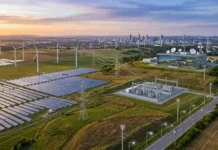
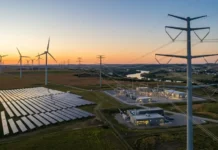
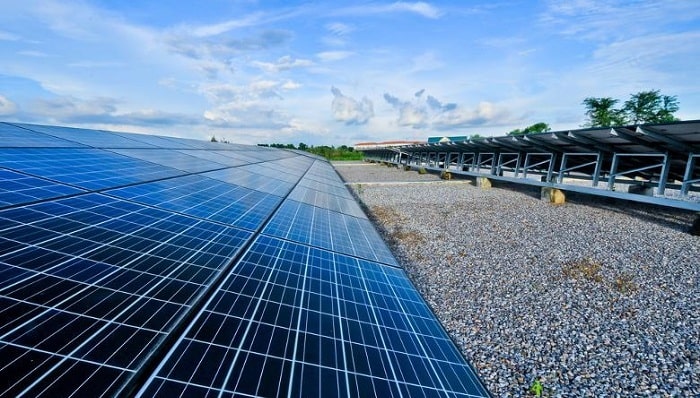
Chinese President Xi Jinping said on Saturday that China will bring its total installed wind power and solar energy capacity to more than 1.2 billion kilowatts by 2030.

China is now committing to reduce its emissions per unit of GDP by “more than 65%” compared to the level of 2005 (compared to the previous goal of a reduction of between 60% and 65%). In addition, Xi Jinping has ensured that in 2030 the share of non-fossil fuels in primary energy consumption will increase by 25% (five points more than the previous promise) and that it will multiply its current wind and solar capacity almost by three. “China’s effort will increase to reduce carbon intensity and ensure rapid growth of wind and solar power over the next decade. However, Beijing has the potential to do more ”, said Li Shuo, from the environmental organization Greenpeace.

Only the EU and China accumulate almost 30% of global emissions (with approximately 10% and 30% respectively of the gases expelled in 2018). The Chinese announcement, together with the expected return of the United States to the Paris Agreement and the new objective of the EU, now relaunch the fight against climate change, which has suffered a paralysis during Trump’s four years.


Latest stories

Related stories

Decarbonisation Pathways for Energy Intensive Manufacturing

Decarbonisation pathways are helping energy intensive manufacturing cut emissions through cleaner power, smarter heat strategies, and advanced technologies that protect competitiveness.

Industrial Water Energy Nexus in Power Intensive Processes

The industrial water energy nexus links water use and power demand, and managing it well can lift efficiency, reduce risk, and strengthen sustainability in power intensive processes.

Electrochemical Technologies Supporting Clean Energy Systems

Electrochemical technologies are strengthening clean energy systems by enabling efficient hydrogen production, practical storage solutions, and lower-emission power processes.

Sustainable Fuel Alternatives for Industrial Power Generation

Sustainable fuel alternatives are helping industrial power generation lower carbon intensity without sacrificing dependable heat and power, especially where electrification is limited.

Subscribe

- Never miss a story with notifications

- Gain full access to our premium content

- Browse free from any location or device.

Media Packs

Expand Your Reach With Our Customized Solutions Empowering Your Campaigns To Maximize Your Reach & Drive Real Results!

– Access the Media Pack Now

– Book a Conference Call

Leave Message for Us to Get Back

Translate »