















Achema middle east

Japan Must Switch Energy Sources To Avoid Shortages- Fitch

Note* - All images used are for editorial and illustrative purposes only and may not originate from the original news provider or associated company.

Subscribe

- Never miss a story with notifications

- Gain full access to our premium content

- Browse free from any location or device.

Media Packs

Expand Your Reach With Our Customized Solutions Empowering Your Campaigns To Maximize Your Reach & Drive Real Results!

– Access the Media Pack Now

– Book a Conference Call

Leave Message for Us to Get Back

Related stories

HELIUP Raises €16M for Lightweight Photovoltaic Panels

HELIUP raises €16 million to accelerate the industrialization of...

Smart Safety Systems Enhancing Grid Workforce Protection

Integrating cutting-edge technology into traditional infrastructure, smart safety systems power transmission projects by providing an intelligent layer of protection that anticipates hazards before they manifest. These digital innovations are revolutionizing how utility companies manage risk, ensuring that every technician in the field is connected, monitored, and shielded by a data-driven safety net.

Advanced Fall Protection in Power Transmission Safety

Maintaining equilibrium in the power sector requires more than just technical skill; it demands a robust infrastructure of fall protection in power transmission. By integrating sophisticated engineering with rigorous training protocols, organizations can significantly diminish the frequency of workplace accidents while simultaneously elevating the standards of operational performance across complex electrical grids.
- Advertisement -

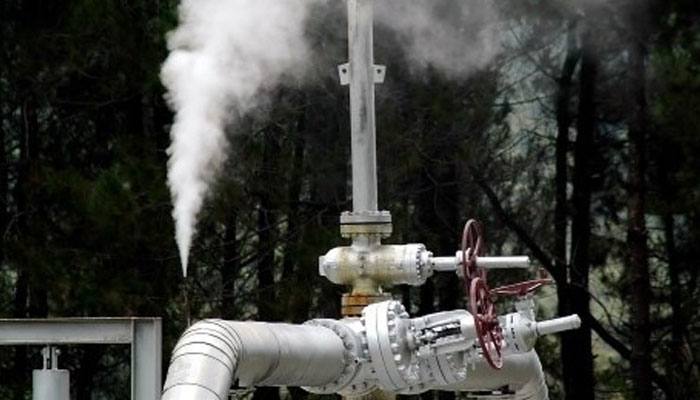
According to Fitch Solutions, Japan may experience power shortages despite a larger dependence on traditional thermal generation as a result of rising gas prices, which make up the majority of its overall power mix.

Natural gas makes up the greatest portion of Japan’s entire energy mix, accounting for 36% of it, trailed by coal at 29%, according to a report by Fitch.

Japan must think about other sources of energy as the rising price of natural gas pushes electricity costs higher. The market’s existing conditions demand that it vary away from fossil fuel use in order to meet carbon emission reduction goals. However, this could take the shape of increasing coal-based electricity output, it said.

The hotter weather may cause a rise in electricity usage, according to Fitch, which means there is a mismatch between supply and demand in the market. The government is encouraging citizens to reduce their electricity consumption and is preparing a rewards programme to do so. As a result of the dominant power generation system’s vulnerability to the continued natural gas supply, the nation is currently experiencing power generation bottlenecks.

Other power sources are also encountering difficulties, such as nuclear power’s strict regulations, which slow down its expansion. Solar power pales in comparison to gas, while offshore wind power is still in its infancy. Although it is anticipated that Japan won’t completely stop importing energy from Russia, a considerable reduction in volume may have disastrous short-term implications.

According to the report, however, the combination of high natural gas prices and international pressures on Japan to reduce its reliance on Russian gas imports is putting a strain on its electricity supply.

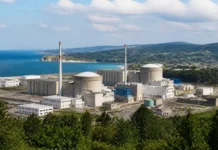
Nuclear power, according to Fitch, continues to have the “greatest potential” due to its lengthy history of inclusion in the nation’s generation mix.

Latest stories

Related stories

HELIUP Raises €16M for Lightweight Photovoltaic Panels

HELIUP raises €16 million to accelerate the industrialization of...

Smart Safety Systems Enhancing Grid Workforce Protection

Integrating cutting-edge technology into traditional infrastructure, smart safety systems power transmission projects by providing an intelligent layer of protection that anticipates hazards before they manifest. These digital innovations are revolutionizing how utility companies manage risk, ensuring that every technician in the field is connected, monitored, and shielded by a data-driven safety net.

Advanced Fall Protection in Power Transmission Safety

Maintaining equilibrium in the power sector requires more than just technical skill; it demands a robust infrastructure of fall protection in power transmission. By integrating sophisticated engineering with rigorous training protocols, organizations can significantly diminish the frequency of workplace accidents while simultaneously elevating the standards of operational performance across complex electrical grids.

Safer Work at Heights Driving Power Sector Productivity

Empowering the individuals who scale our national grids, safer work at heights power sector initiatives are bridging the gap between worker protection and operational efficiency. By investing in sophisticated fall protection and ergonomic safety systems, utility companies are creating an environment where peak performance is the natural byproduct of a secure and confident workforce.

Subscribe

- Never miss a story with notifications

- Gain full access to our premium content

- Browse free from any location or device.

Media Packs

Expand Your Reach With Our Customized Solutions Empowering Your Campaigns To Maximize Your Reach & Drive Real Results!

– Access the Media Pack Now

– Book a Conference Call

Leave Message for Us to Get Back

Translate »