
















Events Date: 9

Russia to finance and build 1.4GW power station in southern Iran

Note* - All images used are for editorial and illustrative purposes only and may not originate from the original news provider or associated company.

Subscribe

- Never miss a story with notifications

- Gain full access to our premium content

- Browse free from any location or device.

Media Packs

Expand Your Reach With Our Customized Solutions Empowering Your Campaigns To Maximize Your Reach & Drive Real Results!

– Access the Media Pack Now

– Book a Conference Call

Leave Message for Us to Get Back

Related stories

Chinese Ming Yang Joins the Norwegian Offshore Wind Industry

The European arm of Ming Yang Smart Energy Group...

Smart Energy Infrastructure Improving Grid Efficiency

The digital transformation of the power sector is being led by smart energy infrastructure efficiency, where data-driven insights and automation are redefining grid performance. By integrating digital monitoring and predictive operations, utilities are creating a more responsive, reliable, and efficient energy network for the modern age.

Grid Modernization Driving Energy Infrastructure

Modern energy systems are undergoing a radical transformation as grid modernization becomes the cornerstone of infrastructure resilience. By integrating advanced digital monitoring, transmission upgrades, and smart grid technologies, utility providers are building a foundation for a reliable and decarbonized future.
- Advertisement -

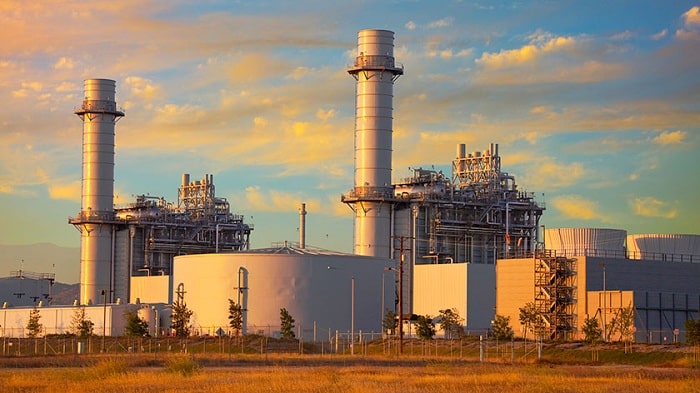
Russia has signed a new agreement with Iran, worth €1.4bn, to build a 1.4GW thermal power plant near the Strait of Hormuz, restarting a project that was first agreed in 2016.

Behnam Khaefinejad, Iran’s commissioner of steam power plant projects, announced on Saturday that work would go ahead following the finalising of a Russian loan for the whole cost of the works.

Iran is supplying around 200ha of land near the small coastal town of Sirik in Hormozgan Province.

The Sirik plant will be built over the next five to six years by Power Machines, a Saint Petersburg-based engineering company, rather than Technopromexport, the firm that signed a letter of intent in August 2016.

Technopromexport was to have begun work on site in February 2017, but the project stalled owing to “administrative and funding problems from the Russian side”, according to Iranian media reports.

The decision follows some 90 meetings between Russian and Iranian experts over the past six months. It also follows an increase in the Russian contribution from the €1.2bn that was originally agreed.

When complete, the plant will generate up to 1.4GW of electricity from four 350MW turbines.

Power Info Today brings together the global energy industry — from generation and transmission operators to utility executives and energy transition leaders — through trusted editorial, market intelligence, and digital engagement.

Our 2026 Media Pack offers integrated solutions to reach your audience:

  • Magazine & Digital Editions Showcase your brand within premium energy industry coverage read by executives and decision - makers worldwide.
  • Industry Insights & Reports Align with data - driven analysis, trend reports, and regional roundups across the global power and energy value chain.
  • Brand Authority & Credibility Position your company as a thought leader through expert commentary, interviews, and special features.

Latest stories

Related stories

Chinese Ming Yang Joins the Norwegian Offshore Wind Industry

The European arm of Ming Yang Smart Energy Group...

Smart Energy Infrastructure Improving Grid Efficiency

The digital transformation of the power sector is being led by smart energy infrastructure efficiency, where data-driven insights and automation are redefining grid performance. By integrating digital monitoring and predictive operations, utilities are creating a more responsive, reliable, and efficient energy network for the modern age.

Grid Modernization Driving Energy Infrastructure

Modern energy systems are undergoing a radical transformation as grid modernization becomes the cornerstone of infrastructure resilience. By integrating advanced digital monitoring, transmission upgrades, and smart grid technologies, utility providers are building a foundation for a reliable and decarbonized future.

Vattenfall and Nscale Secure Sustainable AI Infrastructure Power Agreement

In a key development for enterprise leaders focused on...

Subscribe

- Never miss a story with notifications

- Gain full access to our premium content

- Browse free from any location or device.

Media Packs

Expand Your Reach With Our Customized Solutions Empowering Your Campaigns To Maximize Your Reach & Drive Real Results!

– Access the Media Pack Now

– Book a Conference Call

Leave Message for Us to Get Back

Translate »